 Save
Save There's a quiet moment every afternoon around three o'clock when I crave something warm that isn't quite coffee and isn't quite tea. That's when hojicha flat whites became my unlikely ritual, discovered accidentally while experimenting with Japanese tea at a small café in Portland where the barista didn't mind when I asked strange questions. The first sip was revelatory—nutty, toasty, almost woody in the best way, wrapped in that silky microfoam that makes you slow down and actually taste what you're drinking. Now I make this at home whenever the weather turns cool or my mind needs settling, and somehow it always tastes like permission to pause.
My best friend discovered this drink at my place on a day when everything felt overwhelming, and watching her shoulders drop as she took that first sip reminded me why I keep making it. She's not even a hot beverage person, but something about the combination of hojicha's earthiness and the soft texture of the foam turned it into this small moment of genuine comfort. Now whenever she visits, she asks me to make one before we talk about anything hard, and it's become our unspoken ritual.
Ingredients
- Hojicha loose leaf tea or tea bags: Two teaspoons gives you a proper, deeply roasted flavor that won't taste thin or weak, and loose leaf is genuinely worth seeking out because the flavor is so much more textured than most commercial bags.
- Hot water (90°C or 195°F): This specific temperature matters more than you'd think—boiling water burns the delicate roasted notes and makes the tea bitter, while water that's too cool won't extract the full nuttiness.
- Whole milk or oat milk: A full 120 ml allows you to get that proper microfoam texture without the milk tasting thin or the drink becoming watery.
- Sweetener (optional): One teaspoon of sugar, honey, or syrup is the amount that rounds out the flavor without drowning the hojicha's natural earthiness, though honestly, I rarely use any.
Tired of Takeout? 🥡
Get 10 meals you can make faster than delivery arrives. Seriously.
One email. No spam. Unsubscribe anytime.
Instructions
- Brew the hojicha concentrate with intention:
- Steep your tea leaves in that perfectly heated 120 ml of water for three to four minutes, and you'll notice the water shifting from golden to a deeper amber as the roasted flavors bloom. The smell at this moment is honestly half the reason I make this drink—it's warm and slightly nutty, almost like opening a bag of toasted grains.
- Heat and froth your milk until it's silky:
- Warm the milk until it steams gently, then use a frother, steam wand, or even a jar-and-shake method to create that fine, velvety microfoam. You want small bubbles that feel luxurious on your tongue, not big airy bubbles that collapse into nothing.
- Combine your concentrate with any sweetener:
- Pour the strained hojicha into a pre-warmed cup and stir in your sweetener if you're using it, letting the heat dissolve everything evenly. Pre-warming the cup keeps your drink warm longer and prevents that jarring temperature drop when you add the milk.
- Pour the microfoam with a gentle hand:
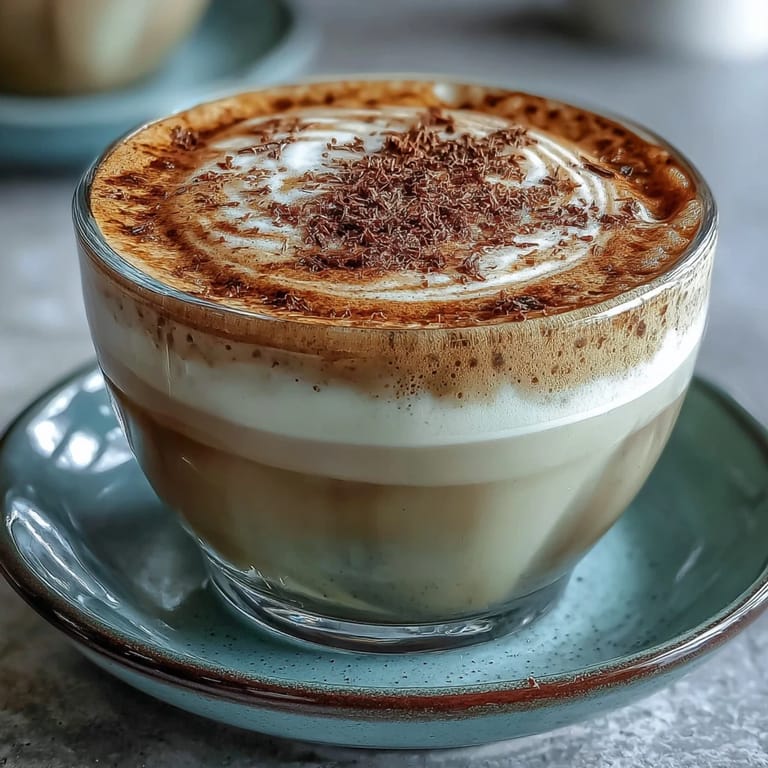
- Slowly pour the frothed milk over your hojicha concentrate, aiming for a smooth blend where the two marry together instead of staying separate. You'll notice the color becoming a beautiful warm brown, almost chocolate-toned but with that distinct hojicha character still shining through.
 Save
Save There was this one afternoon when I made this for my mentor, and she sat with it for almost an hour, just holding the cup and not saying much. Afterwards she told me that the warmth and the flavor combination unlocked this specific memory from her childhood in Japan, and suddenly this drink became more than just something tasty—it became a bridge between her past and her present. That's when I realized that the best recipes are the ones that hold space for people's stories.
The Temperature Dance
Getting the water temperature right is genuinely the difference between a drink that tastes like carefully roasted tea and one that tastes like burnt leaves. I use a kettle with a temperature setting now, but before that, I'd let boiling water cool for exactly ninety seconds (timed it obsessively) until I figured out the feel of it—steam rising but not aggressively, and the water still hot enough that it steams your teacup but cool enough that you can hold your hand near it without flinching. The hojicha tea leaves need this gentler heat to release their toasted, nutty character without becoming sharp or unpleasant.
Why Microfoam Changes Everything
The difference between microfoam and regular milk bubbles is the difference between a drink that feels luxurious and one that feels like you just poured hot milk into tea. Microfoam has tiny, uniform bubbles that create this velvety texture as you drink, while regular foam has larger air pockets that disappear instantly and leave you with a thin, sad drink halfway through. If you don't have a milk frother or steam wand, the jar-and-shake method actually works—warm milk in a sealed jar, shaken vigorously for about thirty seconds creates surprisingly good foam, though a frother is worth it if you make this regularly.
Seasonal Shifts and Flavor Adjustments
This drink stays comforting across seasons, but how I make it shifts subtly based on the weather and my mood. On colder days, I use slightly less milk to make it richer and more concentrated, while in warmer weather I might add an extra splash of oat milk to make it feel lighter. The beauty of hojicha is that its flavor is forgiving enough to accommodate these changes without losing its character, and you can adjust the steeping time to make it stronger or more delicate depending on what you need that particular day.
- Try a longer steep (up to five minutes) on days when you want something more robust and grounding.
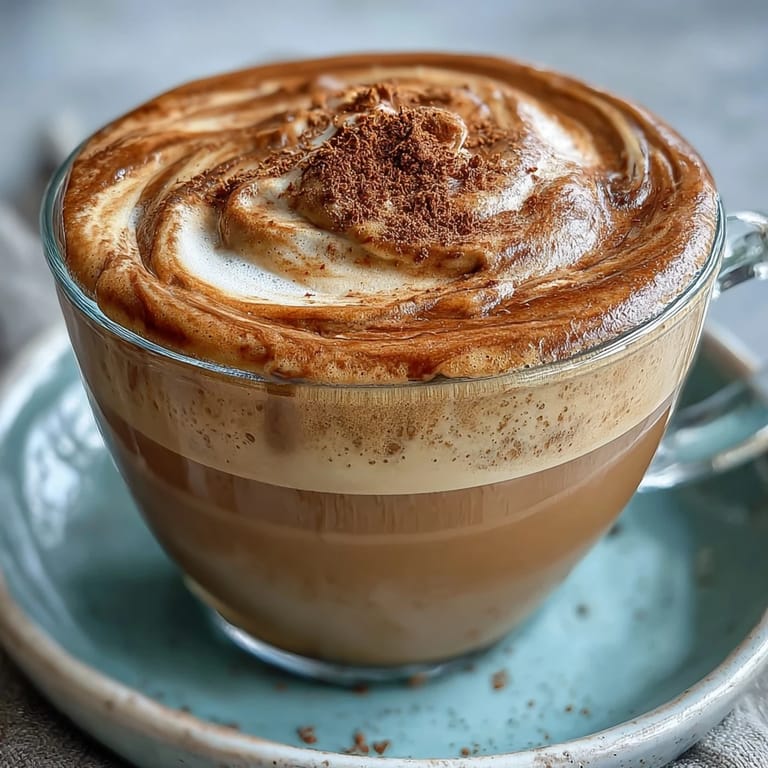
- Dust the foam with hojicha powder or cinnamon for a touch of elegance and an extra whisper of flavor.
- Experiment with honey or maple syrup if sugar feels too one-dimensional for your mood.
 Save
Save This drink has become my three o'clock anchor, that small ritual that reminds me to breathe and notice what I'm tasting. Make this for yourself when you need quiet, or make it for someone else when they need to slow down.
Kitchen Help
- → What makes hojicha different from regular green tea?
Hojicha is roasted green tea that undergoes high-heat processing, giving it a distinctive reddish-brown color and toasty, nutty flavor profile. Unlike steamed green teas, hojicha has lower caffeine content and a smoother, less bitter taste that pairs beautifully with milk.
- → Can I use different types of milk?
Absolutely. While whole milk creates the richest microfoam, oat milk provides excellent frothing capabilities and a creamy consistency for dairy-free options. Almond, soy, and coconut milk also work well, though frothing results may vary slightly.
- → How do I achieve proper microfoam without an espresso machine?
You can create microfoam using a handheld milk frother, electric whisk, or by shaking heated milk in a sealed jar. Heat milk until steaming (not boiling), then froth vigorously until small, uniform bubbles form. The milk should double in volume and develop a velvety texture.
- → What's the ideal water temperature for steeping hojicha?
Hojicha steeps best at 90°C (195°F), which is slightly cooler than boiling water. This temperature extracts the full roasted flavor without bitterness. If you don't have a temperature-controlled kettle, let boiling water sit for 2-3 minutes before pouring over the tea leaves.
- → Can I make this beverage in advance?
For the best experience, prepare your hojicha flat white fresh and serve immediately. The microfoam texture begins to break down after sitting, and the aromatic qualities of hojicha are most potent when freshly brewed. You can pre-steep the hojicha concentrate and store it refrigerated for up to 2 days, then reheat and froth milk when ready to serve.
- → Is hojicha suitable for evening consumption?
Yes, hojicha is an excellent choice for evening drinks due to its lower caffeine content compared to other green teas and coffee. The roasting process reduces caffeine levels while creating a soothing, warming beverage perfect for relaxing moments.