 Save
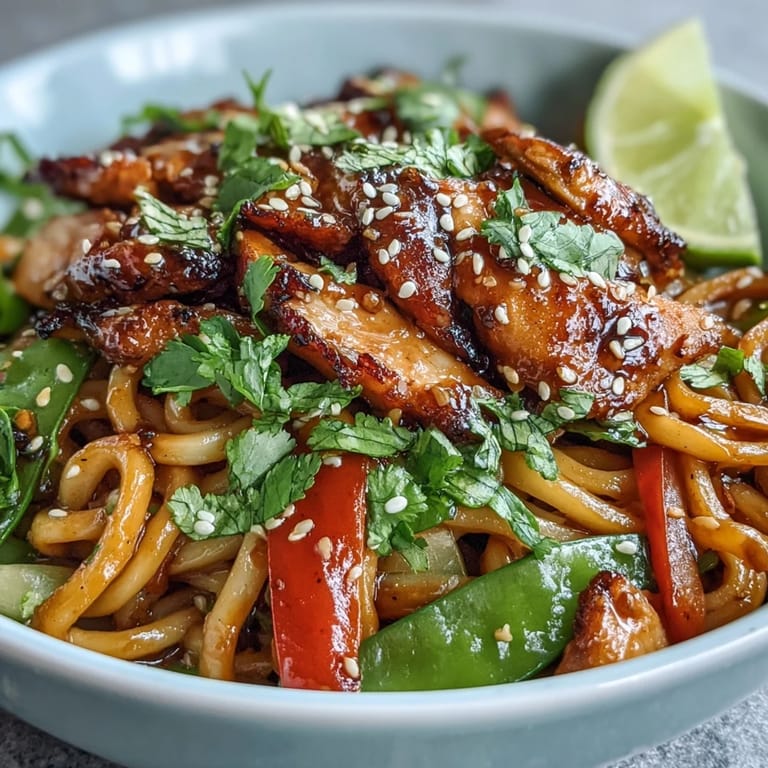
Save My neighbor knocked on my door one Tuesday evening holding a takeout container and asked if I could recreate whatever was inside. It was a sesame chicken noodle bowl from a restaurant that had just closed down. I stood there in my pajamas, nodding confidently, though I had no idea where to start. That bowl sat in my fridge overnight while I sketched out a plan, and by the next afternoon, I had something even better bubbling in my wok. The smell of toasted sesame oil and ginger filled the whole apartment, and I knew I was onto something good.
I made this for my sister when she came over after a long shift at the hospital. She sat at my kitchen counter, still in scrubs, and I watched her take the first bite. She closed her eyes, let out a long sigh, and said it tasted like comfort she didnt know she needed. We didnt talk much after that, just ate in quiet appreciation. Sometimes the best meals are the ones that let people rest without saying a word.
Ingredients
- Boneless, skinless chicken breast or thighs, thinly sliced: Thighs stay juicier and more forgiving if you overcook them slightly, but breasts work beautifully if sliced thin and cooked fast over high heat.
- Dried udon, soba, or rice noodles: Udon gives you chew, soba adds a nutty depth, and rice noodles keep things light and gluten friendly.
- Red bell pepper, thinly sliced: The sweetness balances the salty soy and the color makes the bowl look alive.
- Carrot, julienned: I use a vegetable peeler to make long ribbons instead of chopping, it cooks faster and looks more elegant.
- Sugar snap peas, trimmed: These add a satisfying crunch that holds up even after tossing with the hot sauce.
- Spring onions, sliced: I add half during cooking and save the rest for garnish so you get both mellow sweetness and sharp bite.
- Low sodium soy sauce: Regular soy sauce can make this too salty, especially once it reduces, so low sodium gives you control.
- Brown sugar: This is what makes the sauce cling and caramelize slightly, dont skip it or substitute with honey unless you want a different flavor entirely.
- Toasted sesame oil: A little goes a long way, this is the soul of the dish and should smell nutty and rich the moment it hits the pan.
- Rice vinegar: It cuts through the sweetness and adds a subtle tang that keeps everything balanced.
- Fresh ginger, grated: I use a microplane and grate it right over the bowl so none of the juice is wasted.
- Garlic, minced: Fresh is essential here, the jarred stuff just doesnt have the same punch.
- Cornstarch (optional, for thickening): If you like a glossy, clingy sauce, whisk this in, but the sauce is lovely even without it.
- Toasted sesame seeds: I toast them myself in a dry pan for a minute, the aroma is worth the extra step.
- Fresh coriander or cilantro, chopped: This adds a bright, herbal note that wakes up the whole bowl.
- Lime wedges (optional): A squeeze right before eating brings everything into focus.
Tired of Takeout? 🥡
Get 10 meals you can make faster than delivery arrives. Seriously.
One email. No spam. Unsubscribe anytime.
Instructions
- Prep the Noodles:
- Cook your noodles according to the package directions, then drain and rinse them under cold water to stop the cooking. This keeps them from turning mushy when you toss them in later.
- Make the Sauce:
- In a small bowl, whisk together soy sauce, brown sugar, sesame oil, rice vinegar, ginger, garlic, and cornstarch if youre using it. The mixture should smell bold and a little sweet.
- Sear the Chicken:
- Heat a large nonstick skillet or wok over medium high heat with a splash of neutral oil. Add the chicken in a single layer and let it sit undisturbed for a minute before stirring, this gives you a nice golden edge.
- Stir Fry the Vegetables:
- Remove the cooked chicken and set it aside, then add a little more oil if the pan looks dry. Toss in the bell pepper, carrot, and snap peas, stirring constantly for 2 to 3 minutes until theyre tender but still have snap.
- Bring It Together:
- Return the chicken to the pan, pour in the sauce, and toss everything to coat. Let it simmer for a minute or two until the sauce thickens slightly and clings to the chicken and vegetables.
- Add Noodles and Garnish:
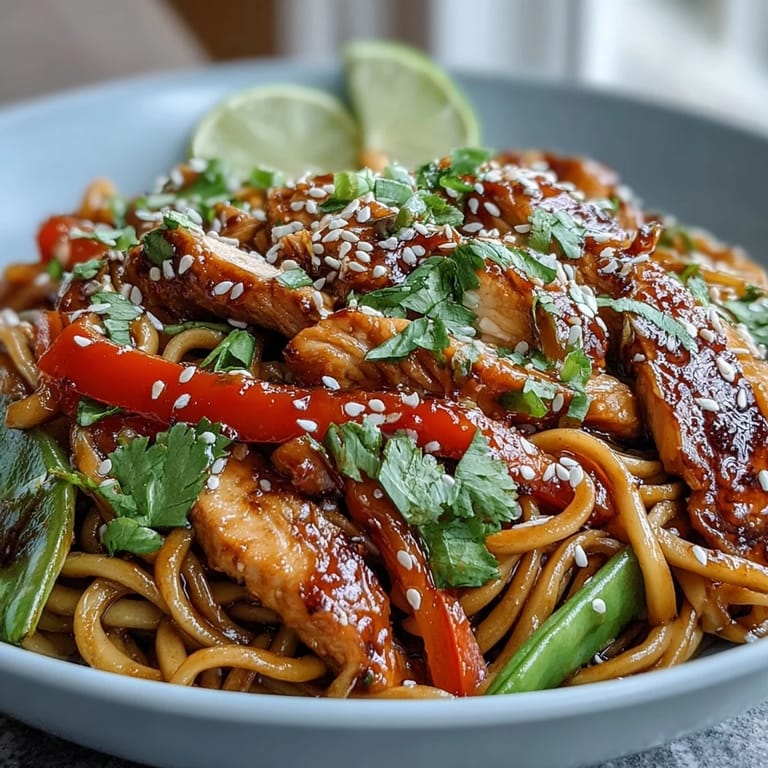
- Toss in the cooked noodles and half the spring onions, stirring everything together until heated through. Divide among bowls and top with sesame seeds, fresh coriander, remaining spring onions, and lime wedges if you like.
 Save
Save I brought this to a potluck once and someone asked if I had ordered it from a restaurant. I laughed and said no, but it felt like the highest compliment. That bowl disappeared faster than anything else on the table, and I went home with requests for the recipe scribbled on napkins. Its the kind of dish that makes people feel cared for without you having to say much at all.
Make It Your Own
This recipe is incredibly forgiving and practically begs you to adapt it. Swap the chicken for thinly sliced tofu, shrimp, or even thinly sliced beef if thats what you have. Add broccoli florets, mushrooms, bok choy, or zucchini ribbons depending on the season or whats in your fridge. If you like heat, stir in chili flakes or a spoonful of sambal oelek with the sauce. The base stays the same, but the bowl can shift with your mood or what the market had on sale.
Pairing and Serving
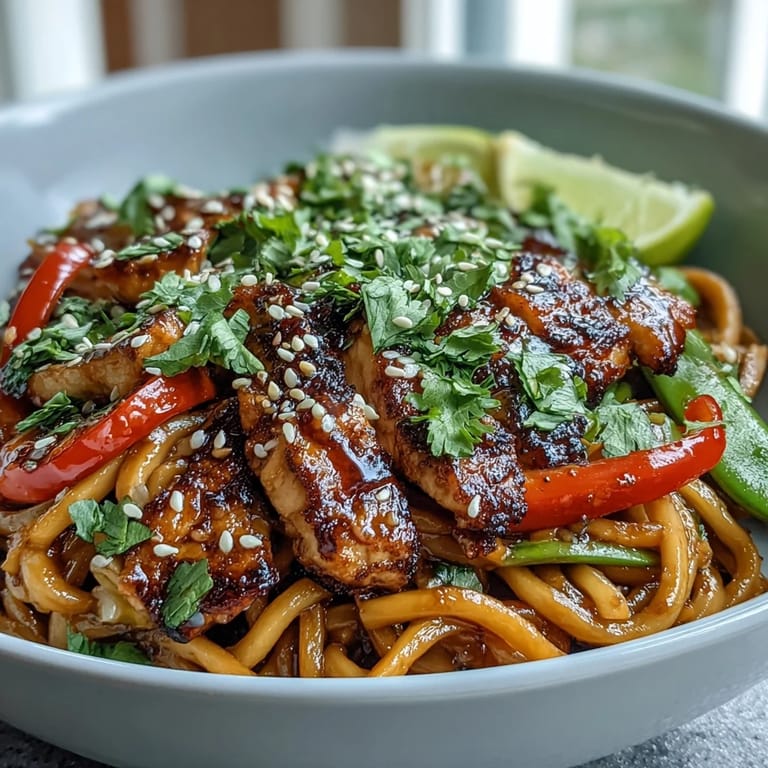
I like to serve this with a crisp, cold Sauvignon Blanc or even a light lager if its warm outside. The acidity and bubbles cut through the richness of the sesame oil beautifully. If youre feeding a crowd, set out small bowls of extra sesame seeds, lime wedges, sliced chilies, and fresh herbs so people can customize their bowls. It turns dinner into something interactive and fun, and everyone feels like theyve made it their own.
Storage and Reheating
Leftovers keep well in the fridge for up to three days, though the noodles will soak up some of the sauce as they sit. When reheating, add a splash of water or broth to the pan and warm everything gently over medium heat, tossing frequently. You can also eat it cold straight from the fridge as a noodle salad, it holds up surprisingly well and the flavors deepen overnight.
- Store the garnishes separately so they stay fresh and crunchy.
- If you know youll have leftovers, undercook the vegetables slightly so they dont turn mushy when reheated.
- Freeze the sauce in ice cube trays for quick weeknight meals later.
 Save
Save This bowl has become my answer to long days, last minute guests, and that restless feeling when you want something nourishing but exciting. It never feels like a chore to make, and it always feels like a treat to eat.
Kitchen Help
- → What type of noodles work best?
Udon noodles offer a thick, chewy texture that holds sauce beautifully. Soba noodles add a nutty flavor and work well too. Rice noodles are lighter and gluten-free. Choose based on your texture preference and dietary needs.
- → Can I make this ahead?
The sauce can be whisked together up to 3 days in advance and stored refrigerated. Cooked noodles and vegetables are best enjoyed fresh, but you can prep all ingredients beforehand for quick assembly during cooking.
- → How do I store leftovers?
Store components separately in airtight containers for up to 3 days. Reheat noodles and chicken gently with a splash of water, then toss with sauce. Vegetables maintain better texture when added fresh rather than reheated.
- → Can I use other proteins?
Firm tofu cubes work excellently for a vegetarian option. Shrimp cook quickly and pair well with the sesame flavors. Thinly sliced beef or pork strips also substitute beautifully—adjust cooking time accordingly.
- → How can I add more vegetables?
Broccoli florets, sliced mushrooms, baby corn, or bok choy all complement the Asian-inspired flavors. Add heartier vegetables like broccoli earlier in the stir-frying process, while delicate greens like spinach go in at the end.
- → Is this gluten-free?
The dish contains gluten in standard noodles and soy sauce. Use tamari instead of soy sauce and choose rice noodles or certified gluten-free udon to make it completely gluten-free while maintaining all the flavor.