 Save
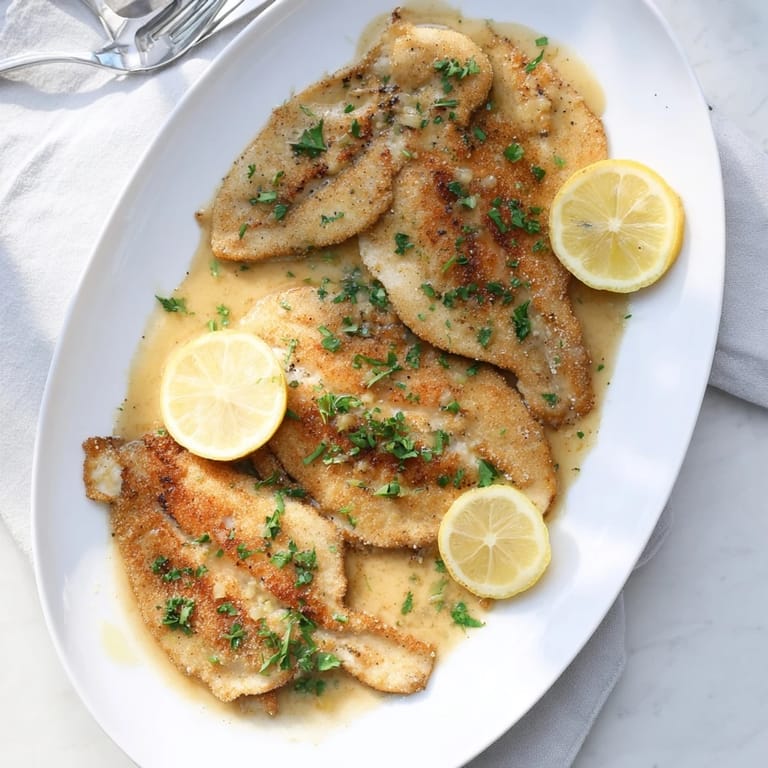
Save The first time I made Meunière, I was terrified I'd burn the butter. There's something panic-inducing about watching solids turn golden in melted fat, knowing the line between nutty perfection and acrid disaster is about fifteen seconds. But then that scent hit me—toasty, rich, impossibly aromatic—and I understood why this simple sauce has captivated cooks for centuries. Now it's my go-to for nights when I want dinner to feel special without actually being difficult.
Last Valentine's Day, completely forgetting to make reservations, I threw this together with whatever looked decent at the fish counter. My partner took one bite of that glistening sauce and asked which bistro I'd secretly ordered from. Sometimes the best romantic gestures are just really good butter and a little timing.
Ingredients
- Flounder fillets: These mild, sweet fish are perfect for quick pan-frying because they cook through almost instantly while staying tender and flaky
- Kosher salt and black pepper: Simple seasoning is all the fish needs before the flour and sauce take over, so dont be shy with the pepper
- All-purpose flour: Creates that delicate golden crust that holds the sauce while keeping the fish moist inside
- Unsalted butter: You'll need both for cooking the fish and for that nutty browned butter finish that makes the dish sing
- Olive oil: Prevents the butter from burning too quickly during the initial frying, giving you better control over the browning
- Lemon juice: Fresh lemon cuts through all that buttery richness and brightens every single bite
- Flat-leaf parsley: Adds fresh color and a subtle herbal note that keeps the sauce from feeling too heavy
Tired of Takeout? 🥡
Get 10 meals you can make faster than delivery arrives. Seriously.
One email. No spam. Unsubscribe anytime.
Instructions
- Prep the fish:
- Pat each fillet completely dry with paper towels, then season generously with salt and pepper on both sides
- Dredge lightly:
- Press each fillet into flour on a shallow plate, shaking off any excess so the coating stays paper-thin
- Sear to golden:
- Heat 2 tablespoons butter and the olive oil in a large nonstick skillet over medium-high until the butter foams, then add fillets and cook 2 to 3 minutes per side until deep golden
- Keep warm:
- Transfer cooked fish to a warm platter and tent loosely with foil while you make the sauce
- Make the magic:
- Wipe out the skillet, add remaining butter, and cook over medium heat until it turns golden brown and smells nutty, about 2 to 3 minutes
- Finish bright:
- Remove from heat and immediately stir in lemon juice and parsley, then spoon the bubbling sauce over the fish
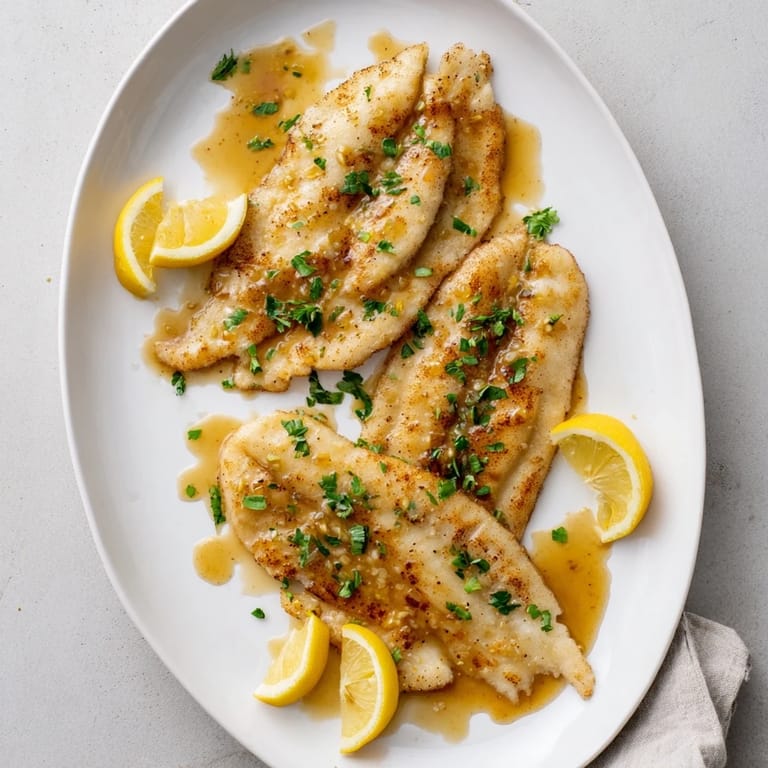 Save
Save My mother-in-law still talks about the night I served this, mostly because she couldn't believe something so impressive came together in the time it took to set the table. Now she requests it every time she visits, and I happily oblige because it makes me look like I know secrets I definitely don't.
Choosing Your Fish
While flounder is traditional, any mild white fish with a delicate texture works beautifully here. Dover sole is the classic French upgrade if you're feeling fancy, though tilapia or even thin cod fillets won't let you down. The key is starting with something fresh and keeping the fillets thin enough to cook quickly without drying out.
The Art of Brown Butter
Browned butter is essentially butter that's cooked until its milk solids toast and turn golden, creating a deep, nutty flavor profile that's impossible to achieve any other way. The transformation happens fast once it starts, so I keep my lemon juice measured and ready beside the stove. That hit of acid stops the cooking instantly while creating that emulsified, velvety texture that makes the sauce cling to every nook and cranny of the fish.
Serving Suggestions
This dish wants something bright and fresh to cut through all that buttery richness. Steamed green beans with a squeeze of lemon, roasted new potatoes, or even a simple arugula salad with vinaigrette would all be welcome at the table.
- Crusty bread is practically mandatory for mopping up any extra sauce
- A crisp white wine like Sauvignon Blanc echoes the lemon notes beautifully
- Keep extra lemon wedges at the table because guests will want that final bright hit
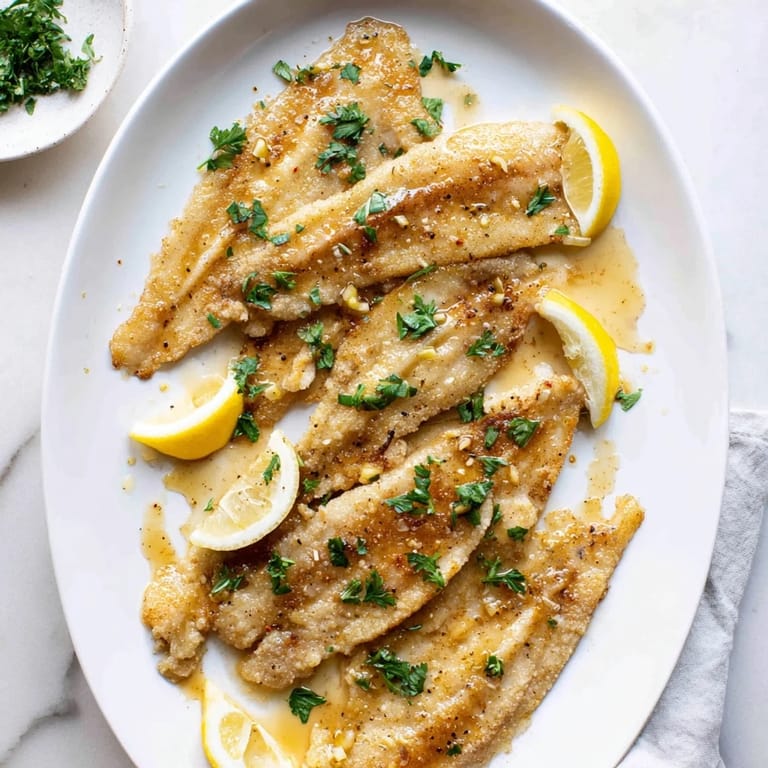 Save
Save Some of the best cooking isn't about technique—it's about learning when to let simple ingredients shine. This dish taught me that elegance often lives in the spaces between complication and intention, and sometimes butter is all the answer you need.
Kitchen Help
- → What does meunière mean?
Meunière is French for "miller's wife," referring to the traditional technique of dusting fish with flour before cooking, much like a miller would have flour-dusted hands. This creates a light, crispy exterior while keeping the fish tender inside.
- → Can I substitute other types of fish?
Absolutely. Dover sole, tilapia, trout, or any mild white fish fillets work beautifully. Just adjust cooking time slightly depending on thickness—thinner fillets cook faster, while thicker ones may need an extra minute per side.
- → How do I know when the butter is properly browned?
Watch for the butter to turn golden-amber and release a nutty aroma. You'll also see small brown specks forming at the bottom of the pan. This takes about 2–3 minutes over medium heat—remove it immediately as it can burn quickly.
- → Why do I need both butter and oil for frying?
Butter adds flavor but has a low smoke point, while olive oil can handle higher heat. Combining them gives you the best of both—rich taste and a higher cooking temperature before the fats burn.
- → Can I make this gluten-free?
Yes, simply substitute rice flour or a gluten-free all-purpose blend for the wheat flour. The coating will still provide that light, crispy texture that makes this preparation so satisfying.
- → What sides pair well with this dish?
Steamed green beans, roasted potatoes, or a simple arugula salad with vinaigrette complement the rich sauce beautifully. Crusty bread is also excellent for sopping up any extra browned butter.