 Save
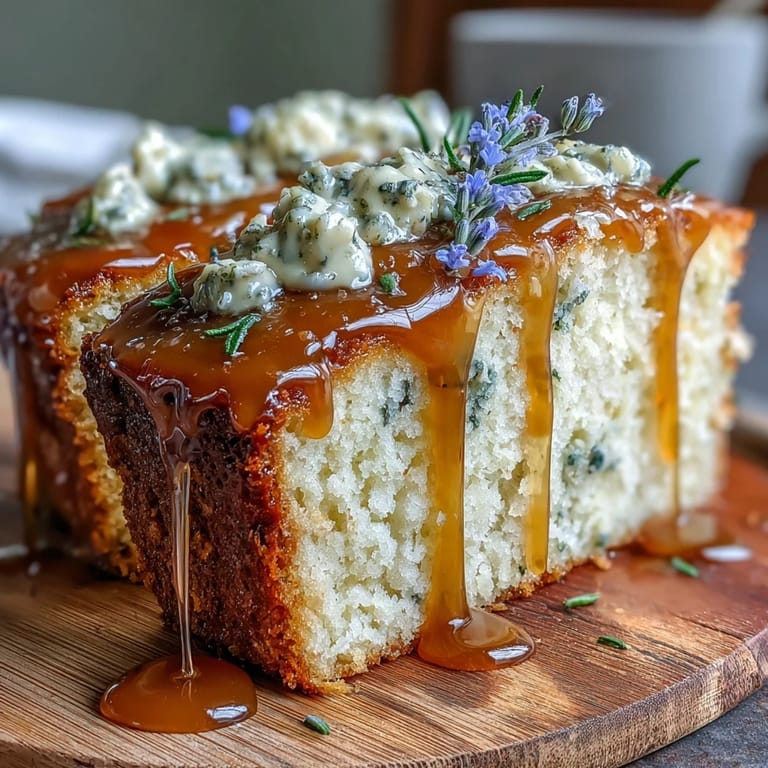
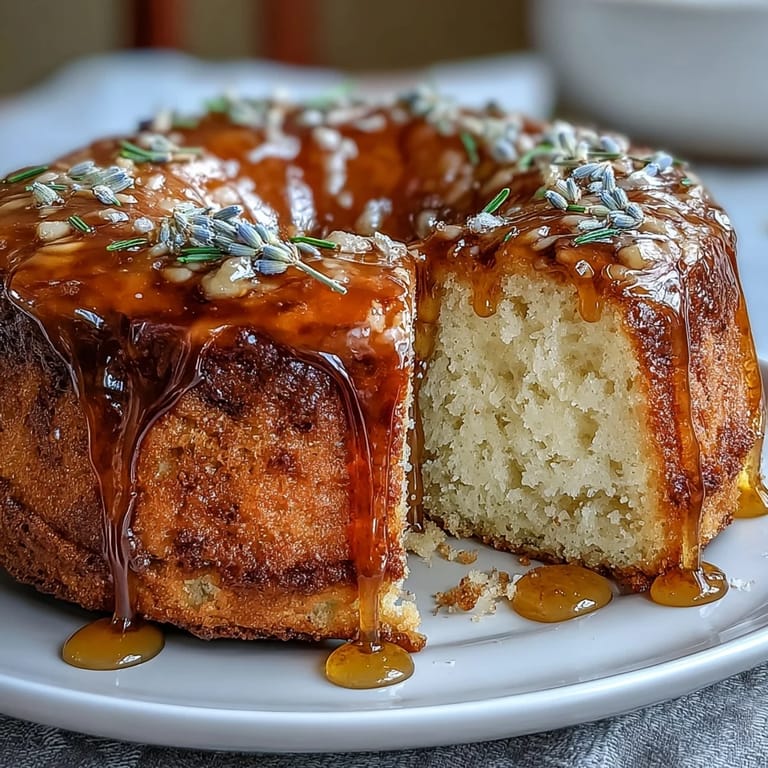
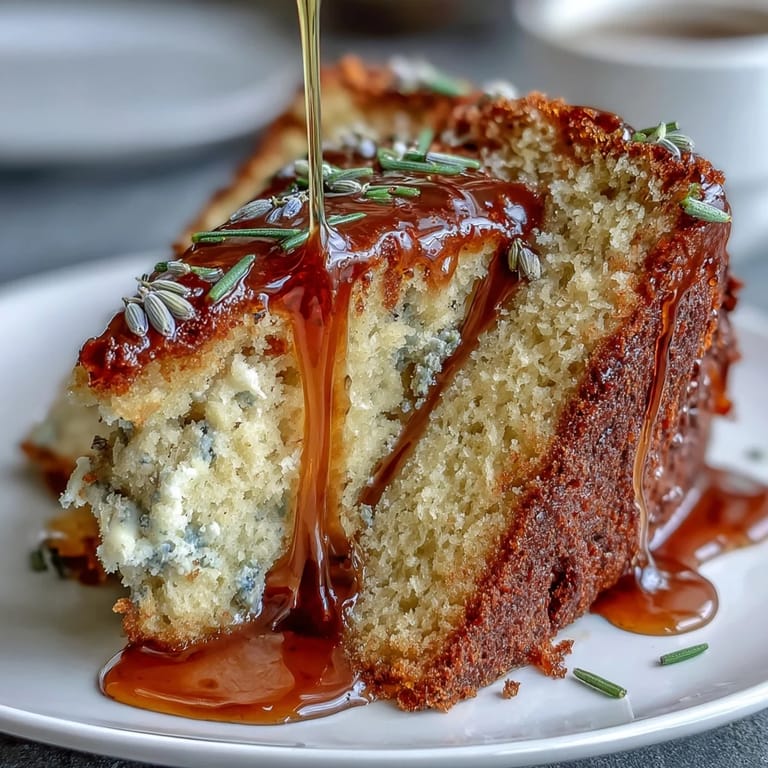
Save My neighbor Sarah showed up at my door one spring afternoon with a tin of the most ethereal cake I'd ever tasted—lavender infused, with a glossy salted honey top that caught the light like liquid gold. She wouldn't share the recipe at first, just smiled mysteriously while we had tea on her porch. When she finally relented weeks later, I realized the magic wasn't complicated at all, just thoughtful choices and a willingness to let floral notes whisper instead of shout.
I baked this for my book club and watched three different people close their eyes on their first bite, which told me everything. One member brought the leftovers to her office the next day and said her coworkers thought she'd bought it from a fancy bakery, which felt like the highest compliment possible.
Ingredients
- All-purpose flour (1 1/2 cups): The backbone that keeps this cake tender rather than dense, and you want it measured by weight if your scale allows it.
- Baking powder (1 1/2 tsp): This is what gives the cake its delicate crumb and makes it feel airy on the tongue.
- Fine sea salt (1/2 tsp): Don't skip this tiny amount—it amplifies the sweetness and makes the lavender pop.
- Dried culinary lavender buds (1 tbsp): Buy from specialty sections or reputable spice sellers, since some lavender can taste soapy if it's not meant for eating.
- Unsalted butter (1/2 cup): Softened to room temperature so it creams properly with the sugar and won't create a dense cake.
- Granulated sugar (3/4 cup): The sweetness that balances the floral notes and creates structure as it creams with the butter.
- Large eggs (2), room temperature: Cold eggs won't incorporate smoothly and can create lumps in your batter.
- Honey (1/3 cup for cake): This adds moisture and a subtle warmth that complements lavender beautifully.
- Pure vanilla extract (1 tsp): A touch of vanilla grounds the recipe and prevents it from tasting one-dimensional.
- Whole milk (2/3 cup), room temperature: The temperature matters because cold milk can seize the batter and create uneven crumb.
- Honey (1/3 cup for drizzle): Use the same kind you used in the cake so the flavors feel intentional.
- Unsalted butter (1 tbsp for drizzle): This melts into the honey and prevents it from hardening into an unpleasant shell.
- Flaky sea salt (1/2 tsp): Use Maldon or something with large crystals—it creates little pockets of salt that make you appreciate the sweetness more.
Tired of Takeout? 🥡
Get 10 meals you can make faster than delivery arrives. Seriously.
One email. No spam. Unsubscribe anytime.
Instructions
- Set your stage:
- Preheat the oven to 350°F and prepare an 8-inch round cake pan with a light grease, flour dusting, and parchment circle on the bottom. This prevents sticking and gives you a clean presentation when you turn it out.
- Build your dry foundation:
- Whisk together the flour, baking powder, salt, and lavender buds in a small bowl, making sure the lavender distributes evenly throughout. The lavender won't sink or float if it's already mixed into the flour.
- Cream the butter and sugar:
- Beat the softened butter and sugar together for about 3 minutes until it looks pale, fluffy, and almost mousselike. You'll know it's ready when you lift the beaters and the mixture falls in ribbons rather than clumps.
- Incorporate the eggs:
- Add one egg at a time, beating well after each addition so the batter stays emulsified and smooth. After the eggs are in, stir in the honey and vanilla extract until everything looks cohesive.
- Alternate wet and dry carefully:
- Add the flour mixture to the wet mixture in two batches, alternating with the milk and starting and ending with the dry ingredients. Fold and stir just until combined—overmixing at this stage creates a tough, dense cake.
- Transfer and bake:
- Pour the batter into your prepared pan and smooth the top gently with a spatula. Bake for 28 to 32 minutes until a toothpick inserted into the center comes out clean or with just a few moist crumbs.
- Cool with patience:
- Let the cake rest in the pan for 10 minutes, then turn it out onto a wire rack to cool completely before drizzling. If you drizzle while the cake is still warm, the honey will run off instead of settling into a glossy top.
- Make the magic drizzle:
- In a small saucepan over low heat, combine the honey and butter, stirring until they melt together smoothly. Remove from heat and stir in the flaky sea salt, letting the heat do the final dissolving without cooking the honey.
- Crown your cake:
- Once the cake has cooled completely, drizzle the salted honey mixture generously over the top and let it set for about 10 minutes before serving. The drizzle will still be slightly loose and glossy, creating those beautiful golden streaks.
 Save
Save My friend Marcus brought his daughter to pick up a slice one afternoon, and she asked if I'd made it from flowers. When I explained that lavender buds went into the batter, her eyes went wide with wonder, like I'd performed kitchen magic. That moment reminded me why these small, unexpected flavors matter—they create memories that taste like discovery.
The Lavender Question Everyone Asks
People worry that lavender will taste like their grandmother's sachets or a spa bathroom, but culinary lavender is completely different. The key is buying from a source that specializes in edible flowers—check your label carefully because ornamental lavender is treated with pesticides and won't taste right. Once you've tasted the real thing, you'll wonder why you waited so long to invite it into your baking.
Why This Cake Feels Special
There's something about a cake that doesn't announce itself loudly that feels more sophisticated, more intentional. The floral note is understated enough that people keep trying to figure out what they're tasting, and that little moment of discovery—when it clicks that it's lavender—becomes part of eating the cake. It's the difference between a dessert and an experience.
Serving and Storage Wisdom
This cake tastes best at room temperature, when both the crumb and the drizzle have softened into their ideal texture. You can store it covered on the counter for two days, or wrap individual slices in parchment and freeze them for up to two weeks if life gets in the way of eating it immediately.
- Serve it with Earl Grey tea or a glass of Moscato for a combination that feels intentional and elegant.
- If you want to garnish, scatter a few extra lavender buds or edible flowers on top right before serving so they stay crisp and beautiful.
- A thin slice with a spoon and a napkin feels fancier than a plate—it signals that this is a treat worth savoring, not just something to hurry through.
 Save
Save This cake lives in that perfect space between simple enough to make on a Tuesday and special enough to serve at your nicest gathering. Once you've made it once, you'll find yourself reaching for it again whenever you want to feel like you've created something more than just dessert.
Kitchen Help
- → How can I enhance the lavender flavor?
Gently crushing the dried lavender buds before mixing releases more floral oils, intensifying the flavor throughout the cake.
- → What type of honey works best for the drizzle?
A mild, floral honey complements the lavender notes without overpowering the cake’s delicate flavors.
- → Can I substitute the all-purpose flour?
While all-purpose flour gives a tender crumb, a blend with cake flour can yield a lighter texture, but adjustments may be needed.
- → How do I prevent the drizzle from melting the cake’s surface?
Allow the cake to cool completely before drizzling; this helps the salted honey blend set gently without soaking into the cake.
- → What is the ideal baking time and temperature?
Bake the cake at 350°F (175°C) for 28–32 minutes until a toothpick inserted comes out clean.