 Save
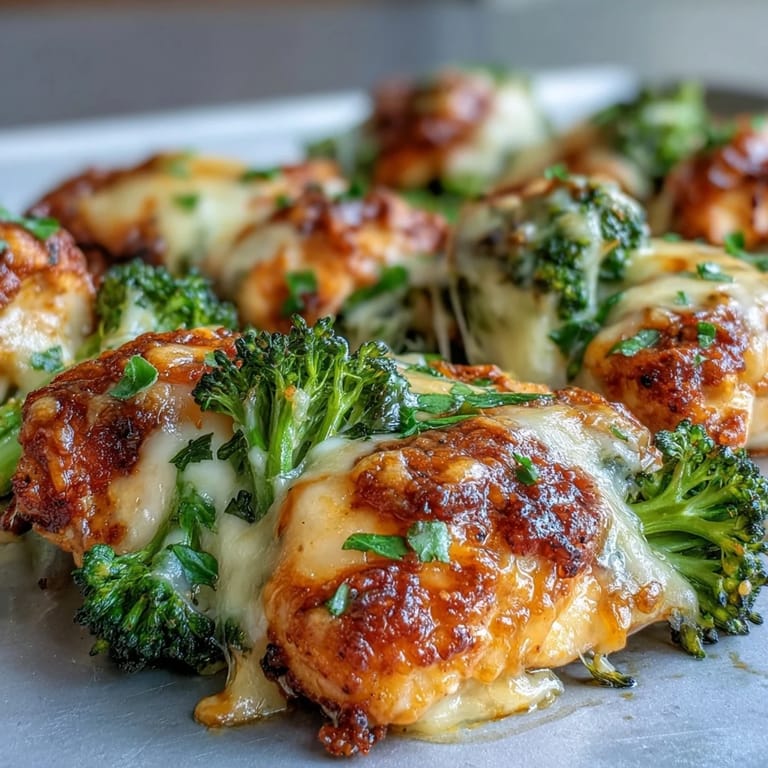
Save Wednesday nights used to stress me out until I discovered this sheet pan approach. My kids were hungry, I was tired, and the last thing I wanted was a sink full of dishes. One evening I threw chicken and broccoli on a pan with some ranch seasoning, shoved it in the oven, and twenty minutes later pulled out something golden and melted that felt like actual comfort food. Now it's our unofficial family dinner, the kind where everyone clears their plate without negotiating.
I made this for my neighbor who'd just moved in, and she texted me three days later asking for the recipe. Turns out her family had made it four more times that week. There's something about how the broiler finishes the cheese—that quick blast of heat that makes it bubble and brown just enough—that transforms a simple weeknight meal into something memorable.
Ingredients
- Boneless, skinless chicken breasts: Pat them dry before seasoning so they brown properly and absorb the ranch flavors instead of steaming.
- Broccoli florets: Cut them roughly the same size so they roast evenly and don't turn to ash while you're waiting for the chicken to cook through.
- Olive oil: This carries the seasoning and helps everything caramelize at the edges, which is where all the flavor lives.
- Ranch seasoning mix: Store-bought works perfectly, but taste it first before adding salt since ranch mixes vary wildly in sodium.
- Garlic powder: It adds a quiet depth that ranch seasoning sometimes lacks on its own.
- Black pepper: Freshly cracked makes a noticeable difference in the final taste.
- Salt: Only add if your ranch mix tastes bland, which you'll know immediately.
- Sharp cheddar cheese: Don't skimp here—the sharper the better, as milder cheese gets lost under the ranch seasoning.
- Fresh parsley: Optional but it catches the light and reminds people this is made with care, not apathy.
Tired of Takeout? 🥡
Get 10 meals you can make faster than delivery arrives. Seriously.
One email. No spam. Unsubscribe anytime.
Instructions
- Set your oven and prep your stage:
- Preheat to 425°F and line your sheet pan with parchment paper or foil—this small step saves you from scrubbing for five minutes after dinner. It's the difference between a quick rinse and actual work.
- Dry the chicken like you mean it:
- Wet chicken steams instead of browns, and steamed chicken tastes sad. Use paper towels and don't apologize for the extra step—it matters.
- Coat everything evenly:
- In a bowl, toss the chicken and broccoli with olive oil, ranch seasoning, garlic powder, pepper, and salt if needed. The bowl step ensures nothing gets forgotten and the flavors distribute themselves fairly.
- Arrange with intention:
- Put chicken on one side of the pan and broccoli on the other so they cook at their own pace without crowding. Broccoli cooks faster and tighter heat circulation helps it crisp up properly.
- Roast until almost there:
- 18 to 20 minutes at 425°F gets the chicken to about 160°F internally and the broccoli to that crisp-tender place where it still has some bite. Check with a meat thermometer if you have one—the chicken will taste juicier than if you cook it past 165°F.
- Blanket it with cheese:
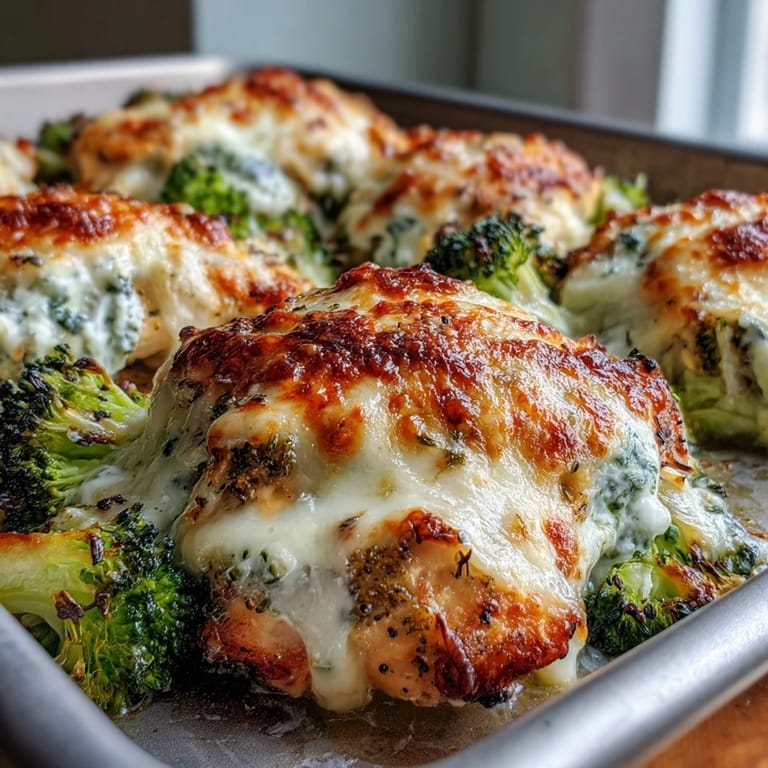
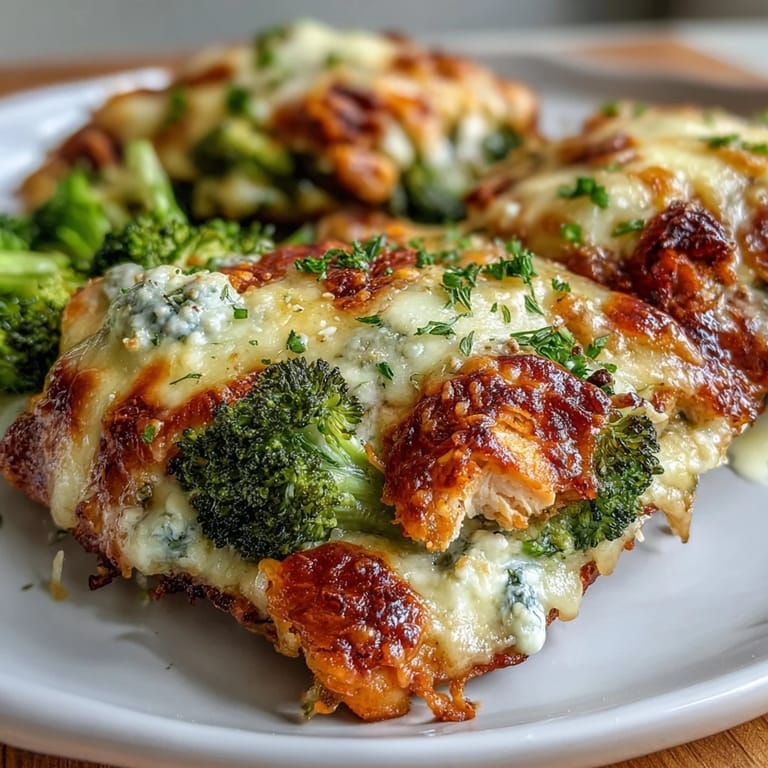
- Pull the pan from the oven, scatter sharp cheddar over the chicken and broccoli generously, then return it for a quick broil. This two-step heat approach melts the cheese without overcooking the chicken underneath.
- Broil until it bubbles:
- Watch it closely for 2 to 4 minutes—the cheese should bubble and turn golden at the edges, almost toast-colored in spots. Walk away and you'll come back to burnt cheese, which tastes acrid and sad.
- Rest and plate:
- Let it sit for 2 or 3 minutes so the residual heat finishes its work and the cheese sets slightly. Garnish with fresh parsley if you have it and serve while everything is still steaming.
 Save
Save 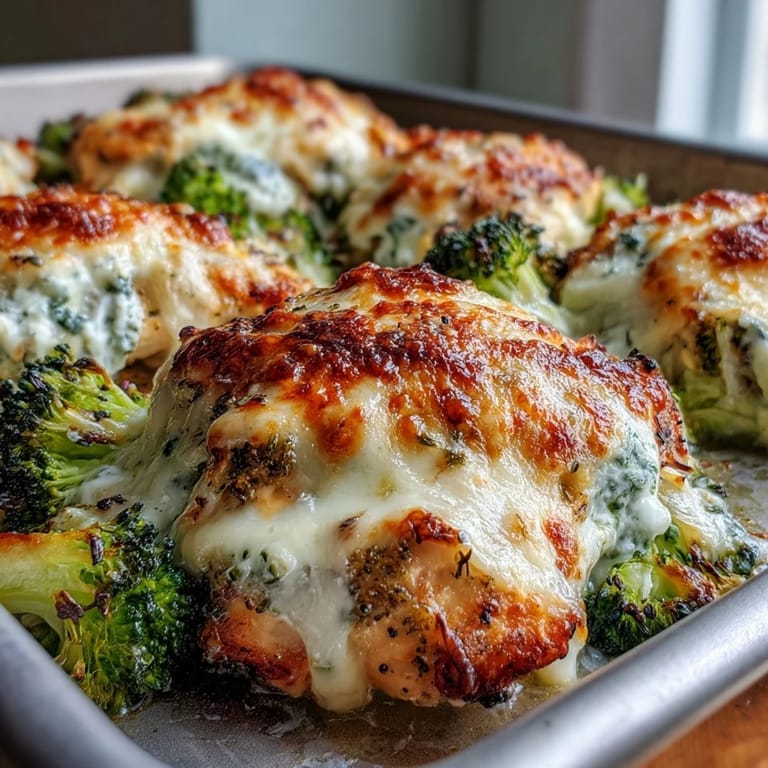 Save
Save My daughter announced she was tired of broccoli and I made this without changing anything except the presentation—suddenly the cheese made the broccoli interesting to her. That moment taught me that sometimes people don't hate vegetables, they're just bored with how they're served.
When You Want to Improvise
This recipe is flexible without falling apart, which is why it works as a template. Swap broccoli for cauliflower florets if that's what's in your crisper, or use a mixed vegetable situation with bell peppers and snap peas. The cooking time stays roughly the same as long as you're cutting vegetables to similar sizes.
A sprinkle of smoked paprika before roasting adds a subtle depth that makes people ask what the secret ingredient is. Crushed red pepper works too if you want a little heat without announcing it. Some nights I add a pinch of garlic powder under the cheese for extra flavor—it melts into the broiling process and tastes intentional rather than accidental.
The Sides That Make Sense
Rice soaks up the cheesy, herbaceous goodness that pools on the pan. Quinoa feels fancier and cooks in the same amount of time if you start it while the oven preheats. A simple green salad cuts through the richness and reminds your body that vegetables exist beyond the broccoli florets already on the plate.
Storage and Leftovers
This tastes genuinely good cold from the fridge the next day, which rarely happens with sheet pan dinners. The cheese stays creamy, the broccoli softens slightly in a way that's comforting rather than sad, and the chicken doesn't dry out if you covered it loosely with foil before refrigerating. Reheat gently in a 350°F oven for about ten minutes if you want it warm again, or eat it straight from the fridge like I do on hectic days.
- Store covered in the fridge for up to three days, though the cheese texture changes slightly by day three.
- This doesn't freeze well because the broccoli gets watery when thawed, so plan to eat it fresh.
- If you have leftover chicken without broccoli, chop it and throw it on salads or into grain bowls the next day.
 Save
Save 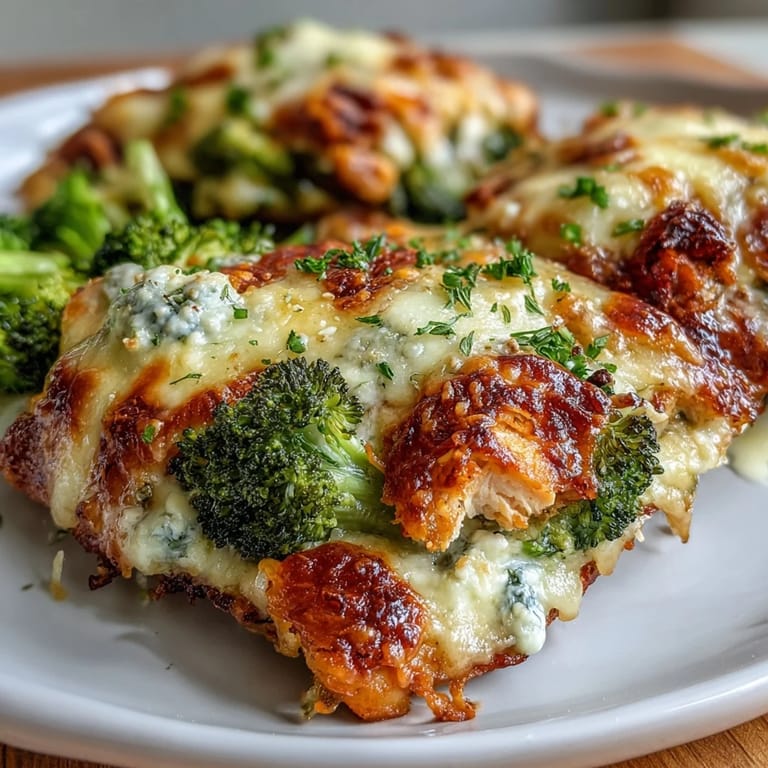 Save
Save This meal exists in that sweet spot where it feels effortless to make but looks and tastes like you actually tried. That's the real magic of a good sheet pan dinner.
Kitchen Help
- → Can I use frozen broccoli instead of fresh?
Fresh broccoli works best as it maintains a crisp-tender texture without becoming mushy. If using frozen, thaw and pat completely dry before tossing with seasoning to prevent excess moisture on the sheet pan.
- → What temperature should the chicken reach?
The chicken is safe to eat when it reaches an internal temperature of 165°F (74°C). Since it continues cooking slightly during the broiling step with cheese, removing it at 160°F (71°C) is perfectly fine.
- → Can I make my own ranch seasoning mix?
Absolutely. Combine dried parsley, dill, garlic powder, onion powder, salt, and black pepper. This homemade version allows you to control sodium levels and customize the flavors to your preference.
- → What sides go well with this sheet pan dinner?
Fluffy rice, buttery quinoa, or roasted potatoes complement the flavors beautifully. A simple green salad with vinaigrette adds fresh contrast, while warm dinner rolls help soak up the cheesy, ranch-infused juices.
- → How should I store leftovers?
Store cooled portions in an airtight container in the refrigerator for up to 3 days. Reheat gently in the microwave or a 350°F oven until warmed through. The broccoli may soften slightly, but the flavors will remain delicious.