 Save
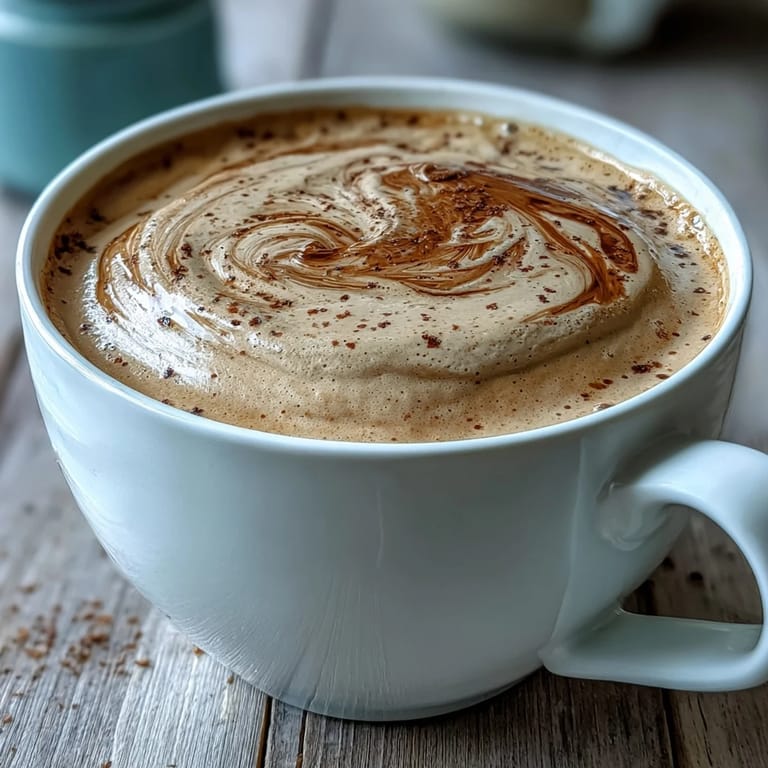
Save Embrace a moment of calm with this Hojicha Latte with Vanilla Extract. This cozy, aromatic Japanese-inspired beverage features roasted green tea and creamy plant milk, enhanced by a subtle hint of vanilla. It is the perfect choice for anyone seeking a soothing, low-caffeine treat that is as comforting as it is delicious.
Save Hojicha is unique because the green tea leaves are roasted, resulting in a rich, chocolate-brown color and a nutty flavor profile. When combined with the warmth of pure vanilla extract, it creates a velvety texture that is incredibly satisfying. Whether you are following a dairy-free or gluten-free diet, this latte fits perfectly into a healthy lifestyle with only 80 calories per serving.
Ingredients
Tired of Takeout? 🥡
Get 10 meals you can make faster than delivery arrives. Seriously.
One email. No spam. Unsubscribe anytime.
- 1 teaspoon hojicha powder
- 1/4 cup (60 ml) boiling water
- 3/4 cup (180 ml) plant milk (e.g., oat, soy, or almond)
- 1/2 teaspoon pure vanilla extract
- 1–2 teaspoons maple syrup or sweetener of choice (optional)
Instructions
- Step 1
- In a mug or heatproof bowl, whisk the hojicha powder with boiling water until fully dissolved and frothy.
- Step 2
- In a small saucepan or using a milk frother, heat the plant milk until steaming but not boiling.
- Step 3
- Stir the vanilla extract and sweetener (if using) into the steamed plant milk.
- Step 4
- Pour the milk mixture over the dissolved hojicha.
- Step 5
- Gently stir or whisk to combine, and serve immediately.
Zusatztipps für die Zubereitung
To ensure a smooth drink, always use boiling water to dissolve the hojicha powder first. If you don't have a traditional matcha whisk, a small handheld milk frother works perfectly to get that signature foam on top.
Varianten und Anpassungen
While any plant milk works, oat and soy milk are highly recommended for the creamiest texture. You can also adjust the sweetness by using more or less maple syrup, or omit it entirely to let the roasted tea flavors shine.
Serviervorschläge
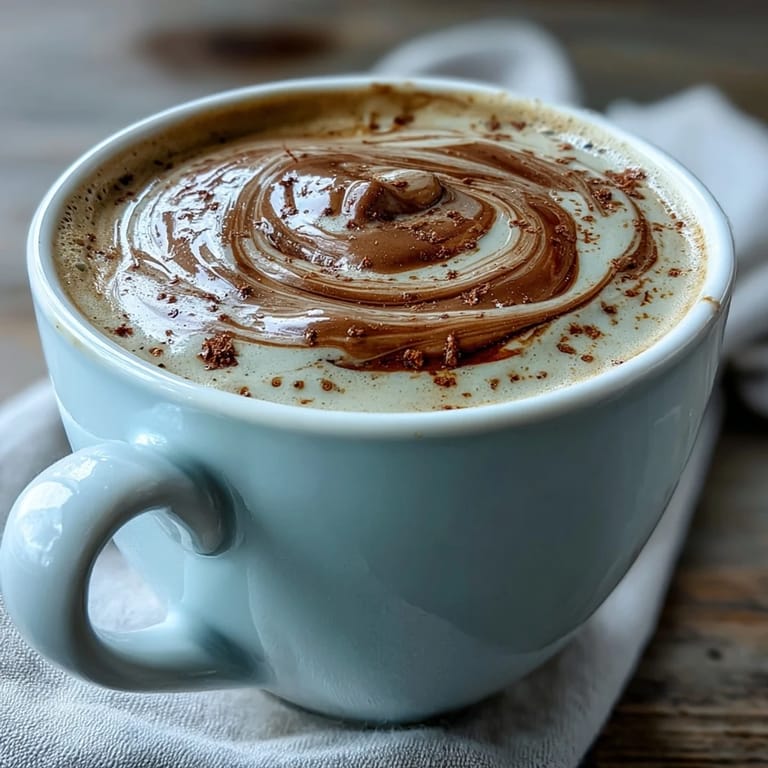
Serve this latte immediately while it is hot and steaming. For a beautiful presentation, you can lightly dust the top of the foam with a pinch of extra hojicha powder or a few vanilla bean specks.
 Save
Save With a total time of just 10 minutes, this Hojicha Latte with Vanilla Extract is an easy and delicious way to bring a taste of Japanese fusion into your home. Sit back, relax, and enjoy every sip of this creamy, low-caffeine treat.
Kitchen Help
- → What does hojicha taste like?
Hojicha has a distinctively nutty, toasty flavor with earthy undertones. The roasting process removes bitterness, resulting in a smooth, mellow tea that's less astringent than other green teas. Its natural caramel-like notes complement vanilla beautifully.
- → Is hojicha lower in caffeine than other green teas?
Yes, hojicha contains significantly less caffeine than other green teas because the roasting process breaks down caffeine molecules. A typical cup has about one-third the caffeine of regular green tea and much less than coffee, making it ideal for afternoon or evening consumption.
- → Can I use hojicha tea bags instead of powder?
While powder is preferred for lattes as it dissolves completely and creates a smooth texture, you can steep a strong tea bag in hot water then use that concentrated infusion as your base. The resulting drink will have a lighter flavor but still be delicious.
- → What's the best plant milk for hojicha latte?
Oat milk is often considered the best choice due to its natural creaminess and slight sweetness that complements hojicha's roasted notes. Soy milk also froths well and provides protein. Almond milk works but yields a thinner consistency.
- → Can I make this iced instead of hot?
Absolutely. Prepare the hojicha concentrate with hot water as directed, then let it cool. Froth cold plant milk or simply shake it vigorously with ice, then pour over the hojicha. It's refreshing and perfect for warmer weather.
- → How do I store hojicha powder?
Keep hojicha powder in an airtight container away from light, heat, and moisture. A cool, dark pantry is ideal. Properly stored, it maintains its flavor for 6-12 months. Avoid refrigeration as condensation can affect the powder's quality.