 Save
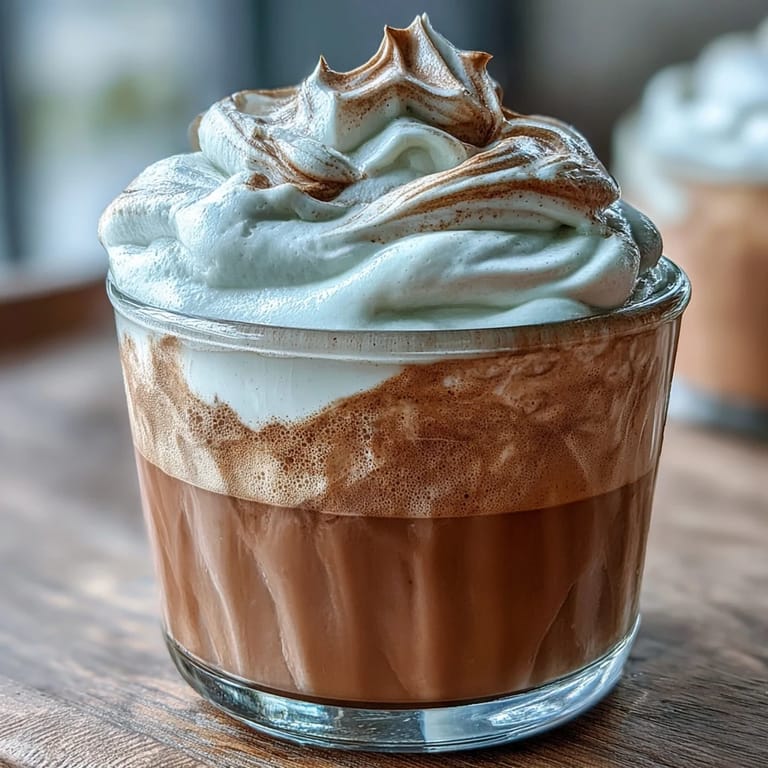
Save There's something about the quiet ritual of pouring steamed milk into a small cup of hojicha that feels like a tiny meditation. I discovered this drink on a grey afternoon when I was hunting for something between coffee and tea—something that wouldn't keep me wired but would still feel like a real moment. The roasted warmth of hojicha with that unexpected cloud of milk foam turned out to be exactly the gentle luxury I didn't know I needed.
I made this for my friend Maya during a video call one rainy Tuesday, and I could see her whole face change when she took that first sip. She said it tasted like what comfort should taste like, and honestly, I haven't stopped making it since then. There's something about sharing a warm drink that's both familiar and surprising that just works.
Ingredients
- Hojicha loose leaf tea or tea bag: Use 1 1/2 teaspoons of loose leaf or one tea bag—this roasted green tea has a deeper, almost toasty flavor that's gentler than regular green tea and won't taste bitter even if you steep it a moment too long.
- Hot water: Keep it around 90°C (195°F), which is just below boiling—too hot and you'll scald the delicate roasted notes, too cool and the tea won't fully open up.
- Whole milk or plant-based alternative: Use 40 ml (about 2 to 3 tablespoons) of your choice; whole milk froths beautifully, but oat milk creates an equally creamy, almost luxurious foam that some people actually prefer.
Tired of Takeout? 🥡
Get 10 meals you can make faster than delivery arrives. Seriously.
One email. No spam. Unsubscribe anytime.
Instructions
- Heat your water with intention:
- Warm water to around 90°C (195°F)—if you don't have a thermometer, let boiling water cool for about two minutes in the kettle. This temperature is the sweet spot where hojicha's roasted character really shines without turning bitter.
- Steep the hojicha:
- Add your tea leaves or bag to a small teapot or mug, pour the hot water over it, and let it sit for 2 to 3 minutes. You'll notice the water turning a warm golden-brown color with that distinctive roasted aroma filling the air.
- Froth your milk:
- While the tea steeps, pour your milk into a small pitcher or cup and froth it using whatever you have—a milk frother creates the silkiest foam, but a small whisk or even vigorous hand whisking works too. You want a small amount of airy foam sitting on top of steaming milk.
- Pour with care:
- Strain the brewed hojicha into a small espresso cup or demitasse, filling it about three-quarters full. This smaller cup is important because it lets the milk-to-tea ratio feel intentional and elegant.
- Top with the foam dot:
- Using a small spoon, gently scoop a dollop of that silky milk foam directly onto the center of your tea, creating that signature macchiato mark. Serve immediately while everything is still warm and beautiful.
 Save
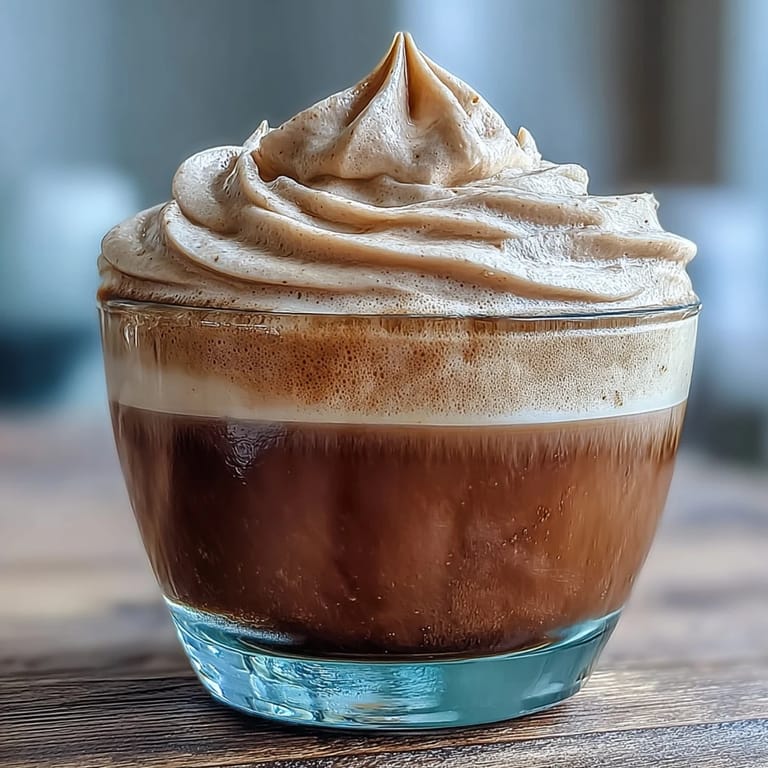
Save My neighbor stopped by one morning and caught me mid-hojicha-macchiato, and now we have this unspoken tradition where she visits right around 3 p.m. on Thursdays. It's become less about the drink itself and more about that quiet moment together, watching the steam rise and just existing without needing to fill every silence.
The Art of Milk Frothing
There's actually a knack to getting that milk foam just right, and it took me several attempts to stop over-frothing or under-frothing. The goal is tiny, uniform bubbles that sit on top like a cloud—not big, airy bubbles that disappear, and not dense milk with no foam at all. If you're using a frother, tilt the pitcher slightly and keep the wand just barely submerged; if you're whisking by hand, use quick, energetic strokes and stop the moment you see foam forming. It sounds fussy but becomes instinctive after a few times.
Why Hojicha Matters
Hojicha isn't your typical green tea—it's been roasted at high temperatures, which transforms it into something almost entirely different. That roasting process removes the grassy notes and caffeine (much of it, anyway), leaving behind this warm, toasted, almost caramel-like flavor that feels comforting without being heavy. I was skeptical at first, thinking it might taste like burnt hay, but it's actually quite refined and pairs beautifully with milk in ways that regular green tea just doesn't.
Making It Your Own
Once you've made this a few times, you start discovering little additions that make it feel personalized. A tiny drizzle of honey or brown sugar dissolves into the hot tea and adds a subtle sweetness that complements the roasted notes perfectly. Some mornings I dust the foam with a whisper of cinnamon or cocoa powder for an extra layer of warmth, and on experimental days I've even added a drop of vanilla extract to the milk before frothing.
- Try oat milk for a naturally sweeter, creamier version that many people find even more delicious than dairy.
- A small pinch of sea salt in the foam is unexpectedly delightful if you want something a little different.
- Make a batch of hojicha ahead and chill it if you want an iced version for warmer days.
 Save
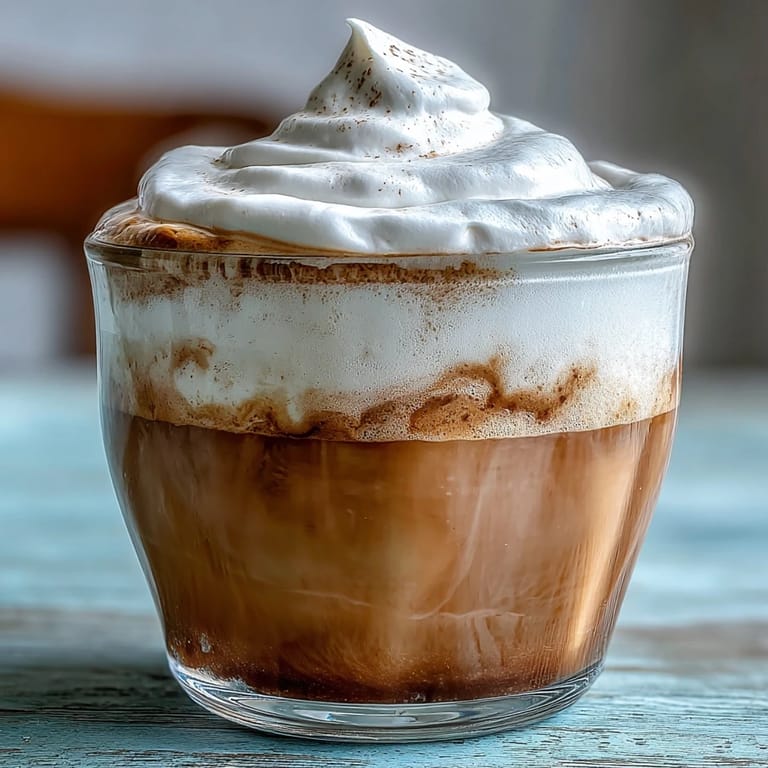
Save This hojicha macchiato has become my answer to the question: what do you make when you want something warm, intentional, and just a little bit special? It's small enough to drink in one or two sips, but somehow it feels like the whole cup contains a moment of actual peace.
Kitchen Help
- → What makes hojicha different from other green teas?
Hojicha is roasted green tea leaves that have been charcoal-roasted at high temperatures, giving it a distinctive reddish-brown color and deep, nutty flavor profile. The roasting process reduces caffeine content and eliminates bitterness, resulting in a smooth, toasty taste that's naturally sweet and pairs beautifully with milk.
- → Can I make this without a milk frother?
Absolutely. Heat your milk on the stovetop or in the microwave until hot (about 60°C), then whisk vigorously with a small whisk or fork for 30-60 seconds until frothy. You can also shake warm milk in a sealed jar for 1-2 minutes, though the foam may be less stable. The key is creating those tiny bubbles that give macchiatos their signature cloud-like topping.
- → What's the ideal water temperature for brewing hojicha?
Hojicha brews best at approximately 90°C (195°F). Unlike delicate green teas that require lower temperatures to prevent bitterness, the roasted nature of hojicha makes it more forgiving with hotter water. This temperature range extracts the full depth of roasted flavors while maintaining the tea's natural sweetness and preventing any harshness.
- → How long should I steep the hojicha leaves?
Steep hojicha for 2-3 minutes in hot water. Because the leaves are roasted, they release flavor more quickly than unroasted green teas. Steeping beyond 3 minutes won't necessarily increase bitterness, but it may result in a stronger, more intense roasted flavor. Adjust steeping time based on your preference for a lighter or bolder tea base.
- → What milk alternatives work best for hojicha macchiato?
Oat milk froths exceptionally well and adds a natural sweetness that complements hojicha's roasted notes. Soy milk also creates good foam and provides protein. Almond milk can work but produces lighter foam. Coconut milk adds richness but may overpower subtle tea flavors. For the creamiest texture and best foam stability, oat milk is highly recommended for dairy-free versions.
- → Is hojicha macchiato caffeinated?
Hojicha naturally contains less caffeine than other green teas due to the roasting process, which breaks down some caffeine compounds. A typical cup contains roughly 20-30mg of caffeine compared to 30-50mg in regular green tea and 95mg in coffee. This makes it a gentle option for afternoon or evening enjoyment without the jitters associated with stronger caffeinated beverages.