 Save
Save My neighbor stopped by one afternoon with a warm bagel fresh from the bakery, and I realized mid-bite that my fridge held nothing worthy of it. That's when I remembered a cooking show I'd half-watched years ago about roasting garlic until it turns sweet and jammy. Two hours later, I had transformed humble cream cheese into something that made her ask for the recipe before she even finished eating. It became our thing—she'd bring bagels, I'd have this spread waiting.
I brought this to a potluck once, convinced no one would touch a mysterious beige spread, and watched it disappear before the chips even showed up. Someone asked if I'd bought it from a specialty shop, which felt like the highest compliment my kitchen has ever received. That's when I knew this recipe was keeper-status.
Ingredients
- Cream cheese (225 g or 8 oz), softened: Let it sit on the counter while your garlic roasts so it whips up light and fluffy without lumps.
- Sour cream (60 g or ¼ cup): This adds tang and keeps the spread from tasting one-dimensional—don't skip it or use all cream cheese.
- One large head of garlic: Buy the biggest head you can find; smaller ones roast unevenly and some cloves might stay firm.
- Fresh chives (2 tbsp), finely chopped: Optional but worth it for a bright, oniony finish that cuts through the richness.
- Salt and freshly ground black pepper: Taste as you go because roasted garlic's sweetness can mask seasoning.
- Olive oil (1 tsp): A quality one tastes better here since you're not cooking it to high heat.
Tired of Takeout? 🥡
Get 10 meals you can make faster than delivery arrives. Seriously.
One email. No spam. Unsubscribe anytime.
Instructions
- Prepare the garlic for roasting:
- Slice off the top quarter-inch of your garlic head to expose all the cloves in one layer. The knife should cut straight across so every clove sees the heat equally.
- Dress and wrap:
- Drizzle the cut side generously with olive oil, sprinkle a pinch of salt, then wrap the whole head tightly in foil. The foil steams the garlic while the oven's heat softens it to a spreadable consistency.
- Roast until golden:
- Place cut-side up in a 200°C (400°F) oven for 35 to 40 minutes. You'll smell something incredibly sweet and nutty when it's done—that's your signal the cloves have caramelized inside their skins.
- Cool and squeeze:
- Let the head rest for 5 minutes, then hold it cut-side down over a bowl and squeeze each clove like a tiny toothpaste tube. The roasted garlic slides right out.
- Mash into submission:
- Use a fork to break down the garlic into a smooth paste. Some small lumps are fine, but big pieces will make the final spread gritty.
- Combine the base:
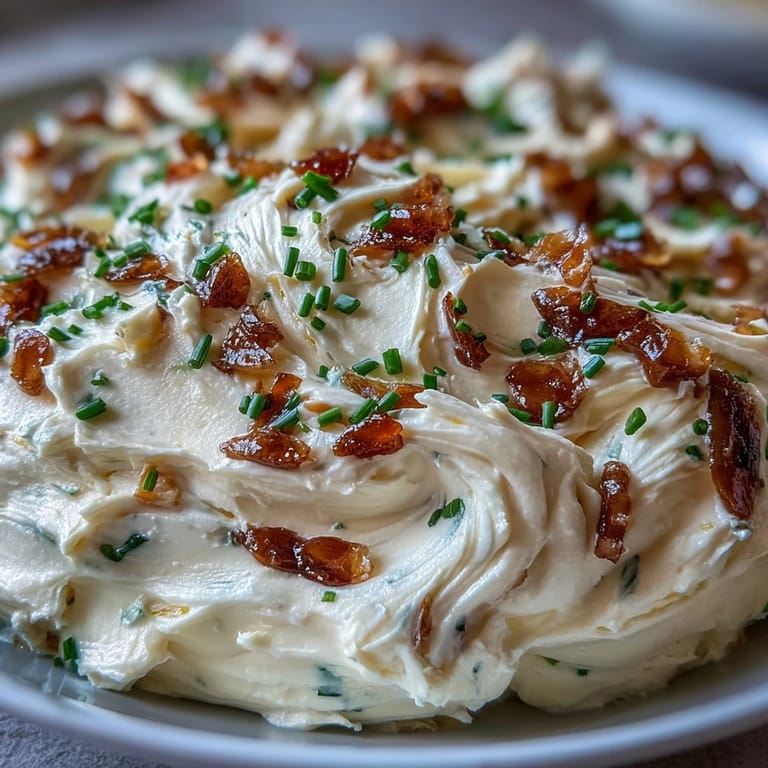
- Add your softened cream cheese, sour cream, salt, and pepper to the garlic. A hand mixer makes this fluffier than stirring by hand, but either way, beat it until there's no streaking and it looks cloud-like.
- Add herbs and taste:
- Fold in chives if using, then steal a taste on a cracker. This is your moment to add more salt, pepper, or even a tiny squeeze of lemon juice if you want brightness.
- Chill to let flavors settle:
- Transfer to a serving bowl and refrigerate at least 30 minutes before serving. The flavors actually deepen as it sits, making it better the next day than the day you make it.
 Save
Save My kid tried this once on whole wheat toast and asked why we don't eat it every morning, which honestly summed up my feelings too. It's become the spread I make when I want something that tastes special but requires almost no skill.
Why Roasted Garlic Changes Everything
Raw garlic would make this spread harsh and overwhelming, but roasting transforms it completely. The long, gentle heat breaks down sulfur compounds and turns the sugars caramel-sweet, almost nutty. You end up with something mellow enough to let the cream cheese shine, rather than a spread that burns your mouth.
Serving Ideas That Actually Work
Spread it thick on toasted bagels, swirl it onto warm crackers, or dollop it onto a cheese board next to some cured meats. It also sits beautifully on vegetable crudités—I've served it alongside carrot sticks and snap peas, and people treat it like a restaurant-quality dip. For something unexpected, try it on a turkey sandwich instead of mayo.
Make It Your Own
This recipe is honestly a canvas waiting for your fingerprints. The roasted garlic base is strong enough to carry almost any addition, so experiment freely without worrying you'll ruin it. Once you've made it plain, you'll start seeing all the directions it could go.
- Swap the sour cream for Greek yogurt to make it tangier and slightly lighter in texture.
- Add fresh dill, parsley, or basil instead of chives for a completely different personality.
- Stir in some sun-dried tomatoes or roasted red peppers if you want color and a hint of sweetness alongside the garlic.
 Save
Save This spread proves that sometimes the best kitchen wins come from having almost nothing and deciding to make something anyway. Keep roasted garlic on your radar—it's a small effort that pays back in flavor every single time.
Kitchen Help
- → How do you roast garlic for the spread?
Preheat the oven to 200°C (400°F). Slice the top off the garlic head, drizzle with olive oil, wrap in foil, and roast for 35-40 minutes until soft and caramelized.
- → Can I use herbs other than chives?
Yes, fresh herbs like parsley, dill, or basil can be folded in for added flavor variations.
- → What is the texture of the spread?
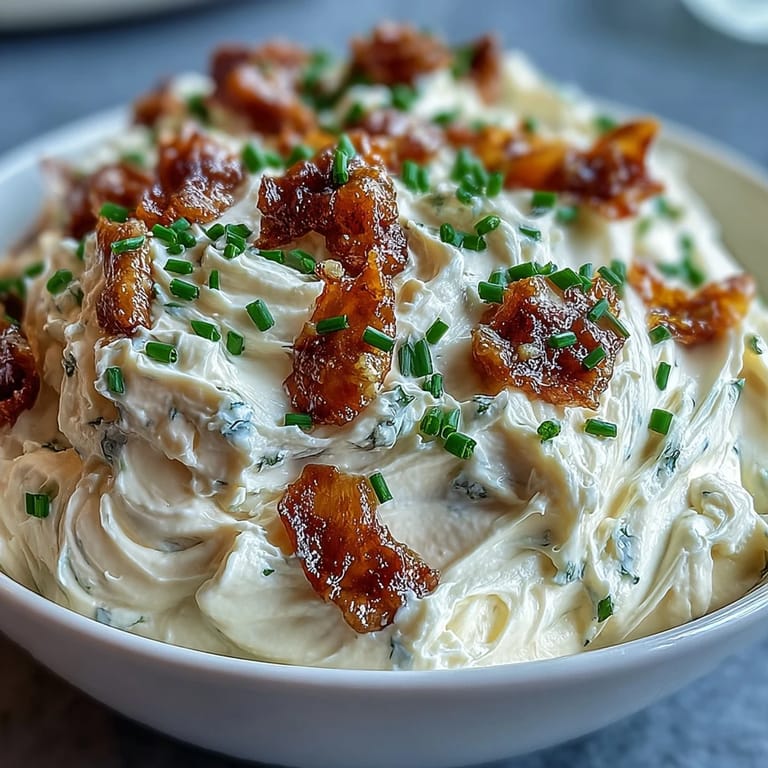
It is whipped until smooth, light, and fluffy, making it easy to spread on various breads or crackers.
- → Is this spread suitable for gluten-sensitive diets?
Yes, as written it is gluten-free, but always verify ingredient labels for any cross-contamination risks.
- → Can I substitute sour cream with something else?
Greek yogurt can be used as a tangier alternative to sour cream without affecting the texture drastically.