 Save
Save My cousin's daughter was turning eight, and her mother asked me to bake something special for her First Communion party. I'd never worked with fondant before, but something about the idea of creating a smooth, pearl-like canvas over a homemade cake felt right for such an occasion. The night before, I found myself watching fondant tutorials at midnight, my kitchen filled with the scent of vanilla and butter, hands already imagining how to smooth that delicate covering into place.
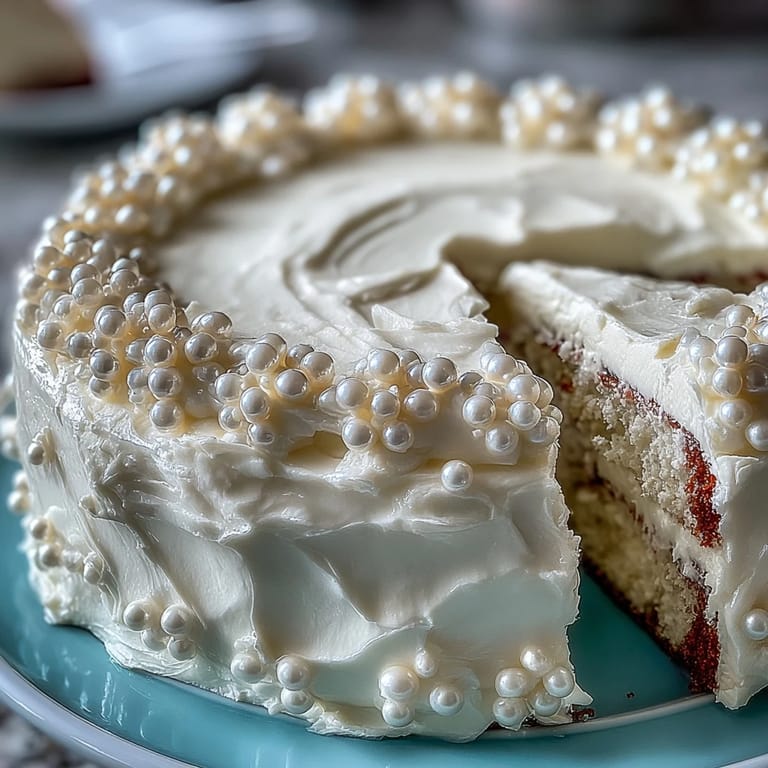
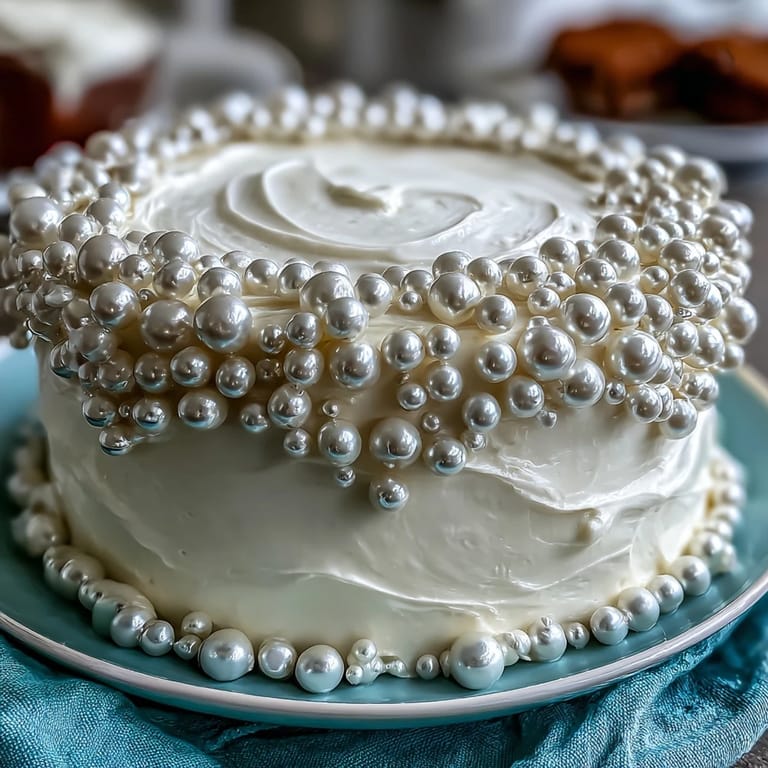
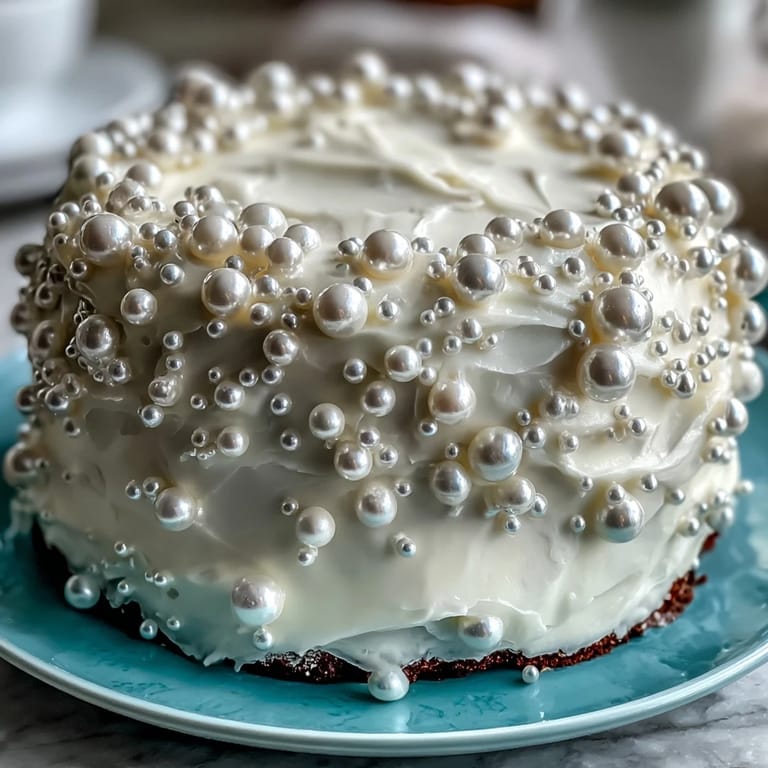
I remember spreading that buttercream layer and feeling the slight resistance of the chilled cake underneath, realizing this was the moment where everything would either come together or fall apart. When I draped the fondant and it settled into those soft peaks without tearing, I actually laughed out loud at my own panic from the night before. My hands felt steadier as I brushed on the pearl dust, and by the time those little sugar pearls caught the light, the whole cake had transformed into something that made everyone at the party pause and take a photograph.
Ingredients
- All-purpose flour: Three cups gives you structure without being dense; measure by spooning and leveling, not scooping directly from the bag, or you'll end up with too much.
- Baking powder: Two and a half teaspoons is essential for that tender crumb; don't skip or substitute with baking soda unless you're adjusting the entire formula.
- Salt: A half teaspoon brightens the vanilla and balances the sweetness in ways you won't consciously notice but will absolutely miss if it's gone.
- Granulated sugar and softened butter: Creaming these together for a full three minutes creates tiny air pockets that make the cake rise beautifully and stay light.
- Room temperature eggs: Cold eggs won't incorporate properly, leaving you with a slightly grainy texture; pull them out while you're preheating the oven.
- Pure vanilla extract: The difference between pure and imitation is noticeable here, especially when it's the main flavoring besides the cake itself.
- Whole milk: Adds moisture and tenderness; don't use skim or the cake will feel slightly dry even when it's technically moist.
- White ready-to-roll fondant: Two pounds covers a standard half-sheet cake with enough left over for mistakes; buying quality fondant saves you from wrestling with homemade versions.
- Pearl luster dust: This is what gives your cake that elegant, shimmering quality; find it at baking supply stores or online.
- Edible pearls or sugar pearls: Optional, but they add a ceremonial touch that feels intentional and thoughtful for a special occasion.
Tired of Takeout? 🥡
Get 10 meals you can make faster than delivery arrives. Seriously.
One email. No spam. Unsubscribe anytime.
Instructions
- Set your stage:
- Preheat your oven to 350°F and grease that half-sheet pan generously; the parchment paper keeps the edges from browning too quickly and makes cleanup almost nothing.
- Mix your dry ingredients:
- Whisk flour, baking powder, and salt together in a medium bowl, letting the whisk do the work of aerating the flour slightly.
- Cream butter and sugar:
- In a large mixing bowl, beat softened butter and sugar for about three minutes until it looks pale and fluffy, almost like frosting already; this is where the structure of your cake begins.
- Add eggs one by one:
- Add each egg individually, beating well after each addition so they fully incorporate and don't sit separated in the batter.
- Introduce vanilla:
- Mix in the vanilla extract until it disappears into the mixture, coating every molecule with that warm, subtle flavor.
- Alternate flour and milk:
- Add the flour mixture and milk in three parts, starting and ending with flour, mixing only until combined; overmixing develops gluten, which makes cake tough instead of tender. This is the moment to trust your instinct and stop while the batter still looks slightly streaky.
- Fill the pan:
- Pour the batter into your prepared pan and smooth the top with a spatula so it bakes evenly.
- Bake with patience:
- Bake for thirty to thirty-five minutes until a toothpick inserted in the center comes out clean; your kitchen will smell like vanilla butter heaven.
- Cool gradually:
- Let the cake sit in the pan for ten minutes so it sets slightly, then turn it out onto a wire rack and let it cool completely before touching it again.
- Prepare the buttercream:
- Beat softened butter until creamy, then gradually add sifted powdered sugar along with milk, vanilla, and a pinch of salt, beating until the mixture is light and spreadable.
- Crumb coat:
- Spread a thin, even layer of buttercream over the entire cake and sides; this seals in crumbs so your fondant doesn't grab them.
- Roll the fondant:
- On a surface dusted lightly with powdered sugar, roll your fondant to about an eighth-inch thickness, rotating it as you go to keep it even.
- Drape with care:
- Carefully lift the fondant and drape it over the cake, smoothing it gently with your hands or a fondant smoother, working from the center outward and letting gravity help you.
- Trim and finish:
- Trim the excess fondant with a sharp knife or pizza cutter, and lightly brush with water where you want edible decorations to stick.
- Add the shimmer:
- Dust the surface with pearl luster dust using a dry food-safe brush in gentle, sweeping motions for an elegant shimmering effect.
- Arrange decorative elements:
- Place edible pearls or sugar pearls to create a meaningful pattern like a cross or border, positioning them while the fondant is still slightly tacky.
- Let it set:
- Allow the cake to rest for thirty minutes before serving so the fondant fully sets and feels firm to the touch.
 Save
Save Standing in that church hall watching people slice into the cake and see that pearl fondant give way to moist, vanilla-scented cake underneath, I understood why people celebrate milestones with food. It wasn't just about the taste or the appearance—it was about the care that went into making something that would be remembered alongside such an important day.
The Secret to Sheet Cake Success
Sheet cakes get overlooked because they're not as dramatic as layer cakes, but they're actually the most forgiving format for home bakers. The wide, shallow pan means even heat distribution, and the larger surface area is perfect for practice when you're learning fondant work. I've found that sheet cakes also stay moister longer because the ratio of interior to exterior is more balanced, so you can actually make this a day ahead without the edges drying out.
Why Fondant Feels Intimidating Until It Doesn't
The first time I touched fondant, I expected it to be delicate, but it's actually surprisingly forgiving—more like play-dough that happens to be edible than anything fragile. The key is understanding that fondant wants to cooperate with you; it stretches, it smooths, and even small cracks or imperfections disappear when you brush them with a tiny bit of water. After my first successful draping, I realized I'd been overthinking it for months, watching tutorials when I could have just trusted my hands to figure it out.
Making It Your Own
This recipe is a foundation, but the decoration is where you make it personal. For a Communion cake, religious symbols like a cross or chalice feel meaningful, but you could also use the pearls to create initials, a simple border, or patterns that match the party theme. The pearl dust itself comes in different colors if you want to shift the aesthetic from pure elegance to something more playful or seasonally specific.
- If you want a softer vanilla flavor, substitute almond extract for half the vanilla and watch how it adds an almost cake-like depth to the crumb.
- You can prepare the cake a full day ahead, wrapping it tightly once it cools completely, so decoration day becomes almost relaxing instead of rushed.
- Serving the cake with fresh berries or a light fruit coulis alongside adds brightness and cuts the richness of the fondant in the most elegant way.
 Save
Save This cake became one of those recipes I return to because it bridges the gap between homemade comfort and elegant presentation—no one feels like you took shortcuts, even though the actual work is manageable. Whether you're celebrating a Communion, a birthday, or just a Tuesday that deserves something beautiful, this sheet cake with pearl fondant proves that special occasions don't need to be complicated, just thoughtfully made.
Kitchen Help
- → How do I prevent the fondant from cracking?
Ensure the cake is completely cooled and covered with a smooth layer of buttercream before applying fondant. Work quickly and keep the fondant pliable by kneading it thoroughly.
- → Can I substitute almond extract for vanilla?
Yes, substituting almond extract for half of the vanilla adds a subtle nutty flavor that complements the sweetness and enhances the overall taste.
- → What is the best way to achieve a smooth fondant finish?
Roll the fondant evenly to about 1/8-inch thickness and use a fondant smoother after draping it carefully over the cake, working out air bubbles gently.
- → How long should the cake set before serving?
Allow the decorated cake to rest for about 30 minutes at room temperature to let the fondant fully set and decorations to adhere properly.
- → Can this cake be prepared in advance?
Yes, the cake can be baked a day ahead, wrapped tightly and stored well. Decorate shortly before serving to maintain freshness.