 Save
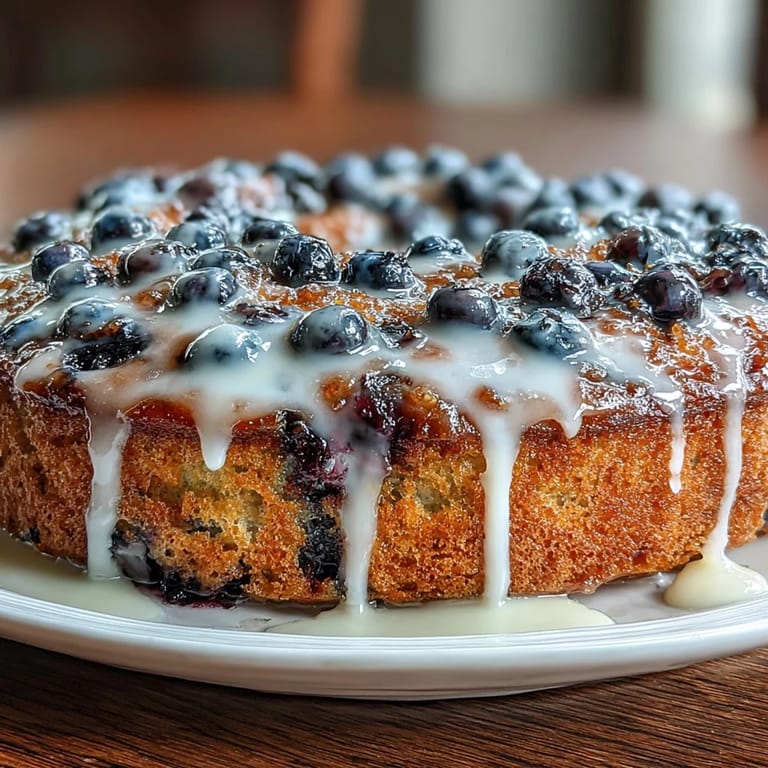
Save There's something magical about pulling a golden skillet cake from the oven on a quiet afternoon, especially when the kitchen fills with that unmistakable perfume of caramelized butter and bright lemon. My sourdough starter and I have a complicated relationship—sometimes I forget to feed it for weeks, then suddenly I'm scrambling to use up the discard before guilt sets in. One Sunday, I had just enough unfed starter sitting in the fridge, and instead of tossing it, I decided to fold it into a simple cake batter with blueberries and lemon. The result was so unexpectedly tender and complex that I've been making variations ever since.
I baked this for my neighbor last spring when she mentioned craving something homemade but not too heavy. She came over for coffee with a friend, and watching them split that warm slice with vanilla ice cream melting on top made me realize this cake sits in that perfect sweet spot between fancy enough for guests and casual enough for a Tuesday afternoon.
Ingredients
- All-purpose flour (1 cup): Use a light hand when measuring—scoop and level rather than packing it down, or weigh it if you have a scale.
- Unsalted butter (1/2 cup), softened: This should be soft enough to leave a fingerprint but not melting; it creams better this way and lets the lemon flavor shine.
- Granulated sugar (3/4 cup): Creaming butter and sugar together for a full minute or two is worth the time—it incorporates air that keeps the cake tender.
- Large eggs (2): Room temperature eggs blend more smoothly into the batter and create a finer crumb.
- Active sourdough starter (1/2 cup): This can be your discard or fed starter; the unfed version actually works beautifully here because it's tangier and thicker.
- Whole milk (1/4 cup): The liquid loosens the batter just enough; don't skip this step even though you have wet ingredients elsewhere.
- Vanilla extract (1 tsp): A small amount rounds out the flavors without making the cake taste like vanilla cake.
- Lemon zest (from 1 lemon): Zest before juicing—use a microplane for the most fragrant, delicate zest.
- Fresh lemon juice (2 tbsp): Fresh is non-negotiable; bottled juice tastes thin and metallic by comparison.
- Baking powder (1 tsp) and baking soda (1/4 tsp): Together they lift the cake and activate when the sourdough's acidity hits.
- Salt (1/4 tsp): Even in sweet baking, salt makes everything taste more like itself.
- Fresh blueberries (1 1/4 cups plus extra): Toss them lightly in a bit of flour before folding in to prevent them from sinking to the bottom.
- Powdered sugar (1/2 cup) for icing: Sift it first if it's lumpy, which it usually is.
- Lemon juice for icing (1–2 tbsp): Start with 1 tablespoon and add more until you reach a drizzleable consistency.
Tired of Takeout? 🥡
Get 10 meals you can make faster than delivery arrives. Seriously.
One email. No spam. Unsubscribe anytime.
Instructions
- Heat your oven and prepare the skillet:
- Preheat to 350°F and grease a 10-inch oven-safe skillet generously—cast iron is ideal because it distributes heat evenly and browns the edges beautifully. If you don't have cast iron, a ceramic cake pan works just fine.
- Combine your dry ingredients:
- Whisk flour, baking powder, baking soda, and salt in a medium bowl and set it aside. This prevents lumps and ensures the leavening agents are evenly distributed.
- Cream butter and sugar until fluffy:
- In a large bowl, beat softened butter with sugar for about two minutes until it's pale and noticeably lighter. This step is what makes the cake tender, so don't rush it.
- Add eggs one at a time:
- After each egg, mix for 20 seconds to fully incorporate before adding the next. Rushing this makes the batter look broken and grainy.
- Stir in the bright flavors:
- Add vanilla extract, lemon zest, and lemon juice, mixing until combined. The mixture might look slightly curdled—that's normal and disappears once you add the flour.
- Fold in sourdough starter:
- Stir in your sourdough discard until no streaks remain. The batter will be thicker and more textured than a typical cake batter, which is exactly right.
- Alternate flour and milk, starting and ending with flour:
- Add half the flour mixture first, mix gently until just combined, then pour in the milk, then fold in the remaining flour. Stop as soon as you don't see streaks—overmixing makes the cake dense.
- Fold in blueberries with care:
- Use a spatula to gently fold the blueberries into the batter, turning the bowl rather than stirring vigorously. If you toss them in a tiny bit of flour first, they won't sink as easily.
- Pour into the skillet:
- Spread the batter evenly and dot the top with extra blueberries for color and flavor pops. They'll sink slightly but add gorgeous pockets of tartness.
- Bake until golden:
- Bake 30 to 35 minutes until the top is golden and a toothpick inserted in the center comes out clean or with just a few moist crumbs. Every oven is different, so start checking around the 30-minute mark.
- Let it cool before icing:
- Cool the skillet for about 15 minutes—this firms up the crumb enough to handle icing without it melting right off.
- Make the icing drizzle:
- Whisk powdered sugar with lemon juice until smooth and pourable but still thick enough to hold a trail. Drizzle generously over the slightly warm cake and let it set.
 Save
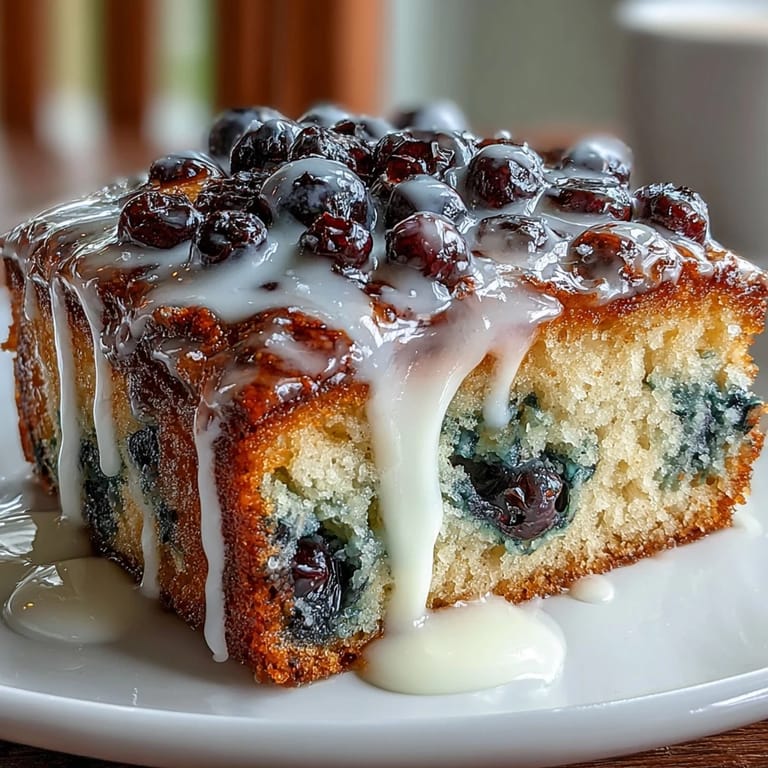
Save There's a moment when the icing is still wet and glistening under the kitchen light, steam rising off the warm cake, that feels like the whole point of baking. Someone sits down, takes a bite, and pauses—not because something's wrong, but because the flavors landed exactly right.
Why Sourdough Starter Belongs in Cake
Sourdough starter isn't just for bread, and using it in sweet baking changes how a cake tastes and feels. The starter brings a subtle fermented depth—almost like a whisper of yogurt—that makes the lemon brighter and the whole cake taste less one-dimensional. It also adds moisture and tenderness because the fermentation has already broken down some of the gluten. Plus, it gives you an excellent excuse to actually use that discard sitting in your fridge instead of feeling guilty about waste.
Fresh Blueberries Versus Frozen
Fresh blueberries are ideal because they stay whole and juicy throughout baking, creating beautiful pockets in every slice. If you only have frozen, use them straight from the freezer without thawing—this prevents them from breaking down and staining the whole batter purple. The cake will taste just as good, though you'll lose some of the pretty speckled effect.
Serving Suggestions and Storage
This cake is wonderful warm from the oven with a small scoop of vanilla ice cream or a dollop of whipped cream, but it's equally delicious at room temperature for a casual snack. It keeps well wrapped on the counter for two days, though the icing may soften—just dust it with extra powdered sugar before serving leftovers.
- Serve with cold milk or strong coffee for a mid-afternoon break that feels special without being fussy.
- If you want extra crunch, sprinkle coarse turbinado sugar over the top before baking instead of adding more blueberries.
- Try swapping orange zest and juice for the lemon if you're in the mood for something slightly different but equally bright.
 Save
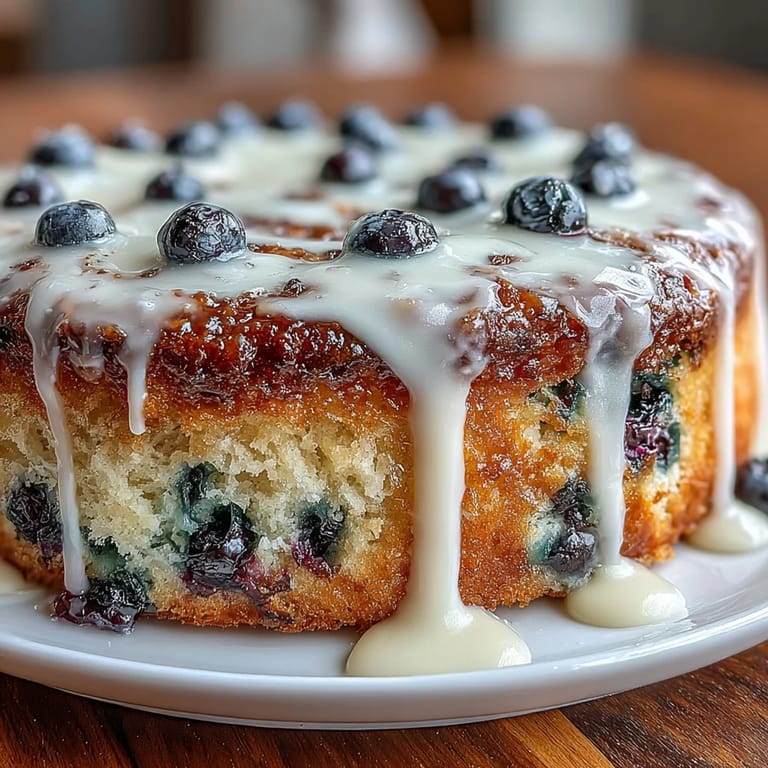
Save Baking this cake has become my quiet ritual on afternoons when I need to slow down and remember that good food comes from paying attention. The first bite—that citrus brightness mixed with the slight tang of fermented starter and bursts of tart blueberry—reminds me why I keep a sourdough starter alive in the first place.
Kitchen Help
- → What type of skillet is best for baking this cake?
A 10-inch oven-safe cast iron skillet is ideal as it ensures even heat distribution and helps achieve a golden crust.
- → Can frozen blueberries be used in place of fresh ones?
Yes, frozen blueberries can be used directly without thawing to maintain texture and prevent excess moisture.
- → How does the sourdough starter affect the cake's flavor?
The sourdough starter adds a subtle tang and depth, enhancing the overall taste and texture of the cake.
- → What is the best way to get a smooth icing drizzle?
Whisk powdered sugar and fresh lemon juice until thick yet pourable, then drizzle slowly over the cooled cake for an even coating.
- → Are there any suggested variations for the citrus flavor?
Try substituting orange zest and juice for lemon to create a sweeter, citrusy variation without changing the texture.
- → How long should the cake cool before adding the icing?
Allow the cake to cool in the skillet for about 15 minutes to ensure the icing sets properly without melting.