 Save
Save There's a particular moment on autumn afternoons when I crave something warm but not quite coffee—something that settles into my bones without making my heart race. That's when hojicha finds its way into my cup. Years ago, a friend brought back a small tin from Kyoto, and I'd been chasing that same roasted, almost nutty calm ever since. It's become my answer to those late afternoons when I need comfort but also clarity.
I made this for my roommate one morning when she looked absolutely shattered from work stress. She took one sip and just... sat quietly for a full minute. Later she told me it was the first thing in weeks that didn't feel like it was asking something of her. Now whenever she's had a rough day, this is what she texts me about.
Ingredients
- Hojicha loose leaf tea: Two teaspoons gives you that full, roasted depth—it's the whole reason this works, so don't skimp here even though it looks humble in the cup.
- Filtered water: Two hundred and forty milliliters, heated just below boiling to around ninety degrees Celsius, which lets the tea open up without turning bitter.
Tired of Takeout? 🥡
Get 10 meals you can make faster than delivery arrives. Seriously.
One email. No spam. Unsubscribe anytime.
Instructions
- Heat your water with intention:
- Use filtered water and watch for that moment when steam rises steadily but before the rolling boil—around ninety degrees Celsius feels right. If you go too hot, the tea turns astringent and loses its gentle character.
- Measure and settle your leaves:
- Add your two teaspoons of loose leaf hojicha to your teapot or mug, and just sit with it for a second—notice how dark and toasted it looks, almost like tiny pebbles.
- Pour and let time do the work:
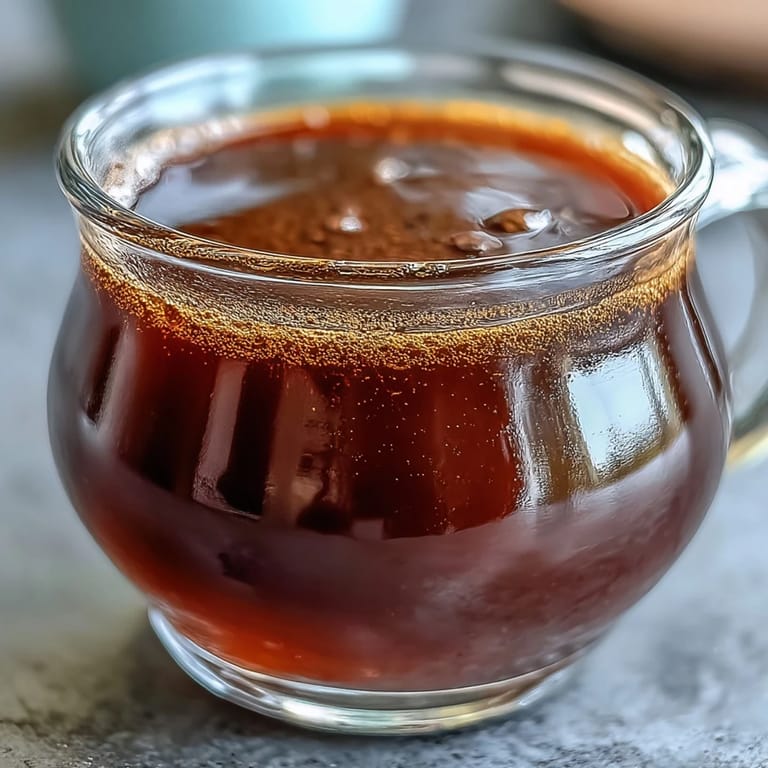
- Slowly pour the hot water over the leaves and watch the color bloom from amber to a deeper bronze. The whole ritual takes just a moment, but it matters.
- Steep with patience:
- Three to four minutes is the sweet spot—taste it at three and decide if you want it stronger. I usually go closer to four, when the tea has fully mellowed into itself.
- Strain and serve:
- If using loose leaf, pour through a strainer into your cup or directly if you've used a tea bag. Serve it hot, just as it is, so you can feel the warmth in your hands.
 Save
Save There was a morning when I made this for my grandmother, who'd been skeptical about tea alternatives. She held the cup like it was precious, and by the end she was asking for the name written down. Sometimes the smallest things become part of how people remember you.
Understanding Hojicha
Hojicha is Japanese green tea that's been roasted at high temperatures, which strips away most of the caffeine and transforms the leaf into something almost nutty and warm. It's less about the bright grassy notes you'd get from unroasted green tea and more about depth and comfort. The roasting process is what makes this feel so different from your standard tea experience—it's like the difference between raw almonds and roasted ones.
When to Reach for This
I've learned that hojicha Americano works best in those in-between times. Late afternoon when you need focus but not adrenaline, or evening when you want something warming and social but you're not ready for bed. It's also genuinely lovely when you're feeling a bit restless or anxious—there's something about the ritual that calms you down in a way coffee never could.
Making It Your Own
The beauty of this drink is that it invites personalization without demanding it. Some people swear by adding a splash of oat milk, which turns it into something almost creamy and luxurious. Others add a drizzle of honey for sweetness, or a small pinch of sea salt to deepen the roasted notes even further. The base is strong enough to hold these additions without losing its character.
- If you like it creamier, warm your milk separately and pour it in just before serving for a better texture.
- For a deeper roasted flavor, look for hojicha that's been roasted multiple times—it'll be darker and more intense.
- Keep your hojicha in an airtight container away from light and heat, so it stays fresh and aromatic for weeks.
 Save
Save This isn't a beverage you rush. It's meant to be held, sipped slowly, and appreciated for what it offers in that moment. Make it when you have time to actually taste it.
Kitchen Help
- → What is hojicha?
Hojicha is a roasted Japanese green tea made from sun-grown tea leaves and stems. The roasting process gives it a distinctive reddish-brown color and nutty, caramel-like flavor with lower caffeine content than other green teas.
- → Why is it called an Americano?
The term refers to the preparation method similar to an americano coffee—steeping concentrated tea with hot water to create a beverage with similar strength and depth, minus the high caffeine content.
- → Can I drink this in the evening?
Absolutely. Hojicha is naturally low in caffeine due to the roasting process, making it a perfect choice for late afternoon or evening consumption without disrupting sleep.
- → How do I adjust the strength?
Increase the amount of loose leaf tea or extend steeping time up to 5 minutes for a stronger flavor. For a lighter taste, reduce steeping time to 2-3 minutes.
- → What milk alternatives work best?
Oat milk and soy milk pair beautifully with hojicha's roasted, nutty notes. Add a splash after steeping for a creamy variation that complements the earthy flavors.
- → Can I sweeten hojicha americano?
Yes, honey or maple syrup enhance the natural caramel notes. Add sweetener to taste after steeping, stirring until dissolved.