 Save
Save The first time I assembled a proper charcuterie board, I was terrified of getting it wrong. I'd been invited to bring something to a dinner party at a friend's wine cellar, and instead of playing it safe with a store-bought cheese plate, I decided to create something bold and cohesive. The idea of a wine-soaked red cheese collection paired with premium cured meats felt like a love letter to a Burgundy evening I'd spent years ago, and somehow, building this board became less about impressing and more about capturing that feeling on a platter.
I remember standing in my kitchen for maybe twenty minutes, just moving things around, stepping back, moving them again. A piece of bresaola here, pomegranate seeds there, a rosemary sprig catching the light just right. My partner walked in, tasted a slice of the Drunken Goat, and said nothing—just closed their eyes. That's when I knew it was right. The board became the centerpiece of our evening, and people lingered over it long after dinner, discussing which cheese paired best with which wine.
Ingredients
- Prosciutto: Paper-thin and delicate, it folds into soft ruffles that catch light beautifully and provide a salty, refined start to any bite.
- Bresaola: Air-dried beef with a deep crimson color and tender grain; its subtle minerality complements the wine-soaked cheeses perfectly.
- Spicy chorizo: Thinly sliced Spanish chorizo adds heat and smokiness—balance it by pairing with sweeter elements like the red onion jam.
- Smoked beef salami: Offers a gentle smoke backbone that doesn't overpower, creating textural variety among the red meats.
- Drunken Goat cheese: This wine-soaked goat cheese is the soul of the board; its creamy tang and subtle wine notes tie everything together.
- Red Wine Cheddar: Cubed for easy grabbing, it adds earthiness and a slight tannin character that echoes the wine theme.
- Merlot BellaVitano: A harder cheese that slices cleanly and brings nutty, caramelized notes that deepen the wine connection.
- Red grapes: Their natural sweetness and juiciness cleanse the palate between rich cheese and meat bites.
- Pomegranate seeds: Jewel-like bursts of tartness and pop; they add visual drama and a brightness that cuts through richness.
- Red onion jam: Spreadable sweetness with a savory edge—it's the secret weapon for guests who want something beyond plain cheese and meat.
- Roasted red peppers: Silky and slightly sweet, they provide another layer of umami and a textural contrast to harder cheeses.
- Dried cranberries: Tart pockets of flavor that echo the wine theme without being obvious.
- Baguette and red beet crackers: Choose quality baguettes with good crust and crumb; beet crackers add earthiness and hold up well under cheese and jam.
- Fresh rosemary and edible rose petals: Rosemary adds aromatic depth and a visual nod to wine country; rose petals are optional but elevate the presentation to something truly special.
Tired of Takeout? 🥡
Get 10 meals you can make faster than delivery arrives. Seriously.
One email. No spam. Unsubscribe anytime.
Instructions
- Start with the meats:
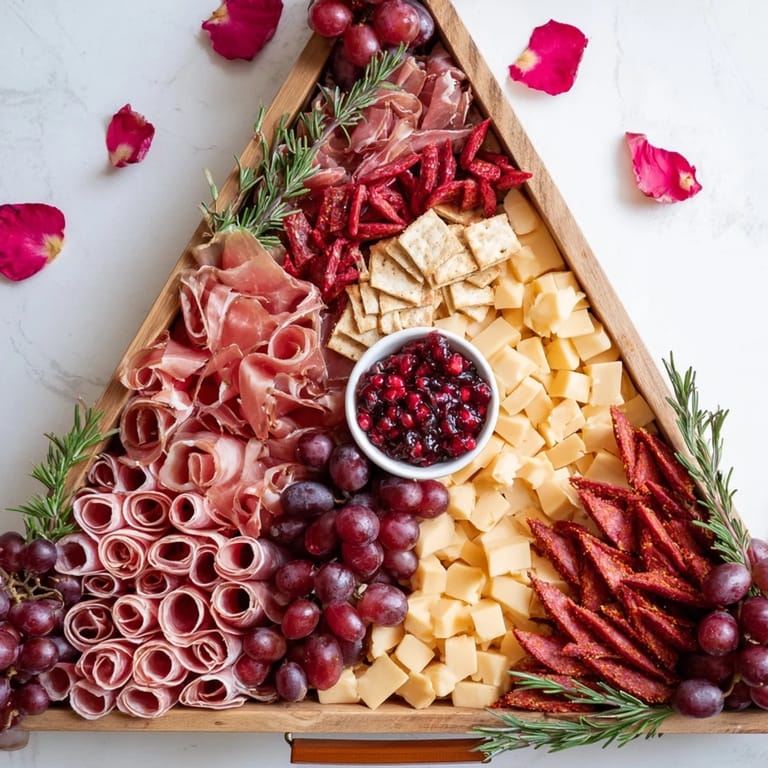
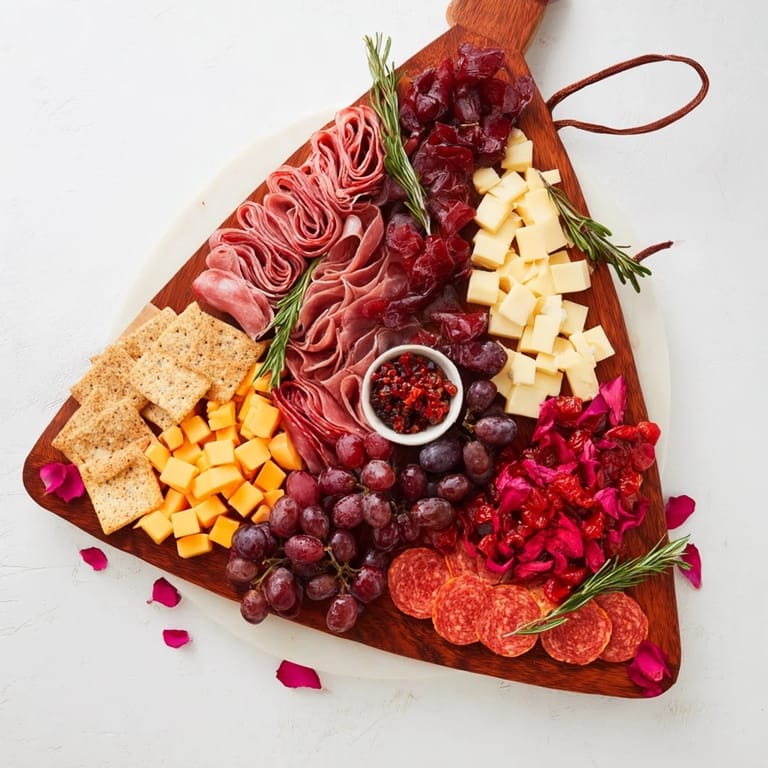
- Fold or loosely roll your prosciutto, bresaola, and chorizo so they catch light and create dimension. Arrange them in distinct sections of your board, grouping similar textures together—the papery prosciutto here, the dense salami there. This prevents colors from blending and makes grabbing intuitive.
- Cluster the cheeses:
- Slice your Drunken Goat, Red Wine Cheddar, and Merlot BellaVitano into generous bite-sized pieces and fan them out in separate groups adjacent to the meats. This visual separation creates rhythm and invites guests to compare the three very different wine-cheese experiences.
- Scatter the bright elements:
- Distribute grapes, pomegranate seeds, and dried cranberries around the meats and cheeses in little clusters. They should feel organic, not overly uniform—let them nestle into gaps and catch the eye at different heights.
- Anchor with bread and crackers:
- Fill remaining spaces with baguette slices and beet crackers in a natural, unforced way. They should feel like they belong, not like filler; arrange them at slight angles for visual interest.
- Add the finishing touches:
- Place a small bowl of red onion jam in a corner or near the cheeses, add roasted red peppers in their own small section, then tuck fresh rosemary sprigs throughout and scatter a few edible rose petals if you're using them. Step back and trust what you see.
- Serve at room temperature:
- Let the board sit out for 10–15 minutes before guests arrive so the cheeses warm slightly and flavors bloom. This is when the Drunken Goat truly shines.
 Save
Save What struck me most after that first dinner party was how the board created a sort of shared ritual. People didn't just eat; they paused, discussed flavors, asked questions about each cheese. Someone compared the Drunken Goat to a dessert wine they'd tasted in Provence. Another guest said the pomegranate seeds reminded them of their grandmother's table. Suddenly, the board had become more than food—it was memory and connection on a platter.
The Art of Board Balance
A charcuterie board lives or dies by balance—not just flavor balance, but visual and textural too. You want contrast between soft and hard, sweet and salty, rich and bright. The wine-soaked cheeses ground the whole thing in sophistication, while the pomegranate seeds and grapes keep it from feeling heavy. Think of yourself as composing a small edible landscape where every element earns its place and guides the eye naturally from one cluster to another. The triangular board shape I used wasn't accident; it creates movement and makes the arrangement feel intentional rather than haphazard.
Wine Pairings That Matter
These ingredients weren't chosen randomly—they're a love letter to bold red wines. A Cabernet Sauvignon will echo the earthiness of the Merlot BellaVitano and complement the prosciutto's salt. A Malbec brings out the pepper in chorizo and the richness of bresaola. Even a Burgundy works if you want something more delicate and aromatic. The trick is choosing a wine confident enough to stand alongside these flavors, not be overwhelmed by them. I once made this board and served a light Pinot Noir, and it felt like wearing a beautiful dress with the wrong shoes—technically it worked, but nothing quite sparkled.
Timing and Presentation Secrets
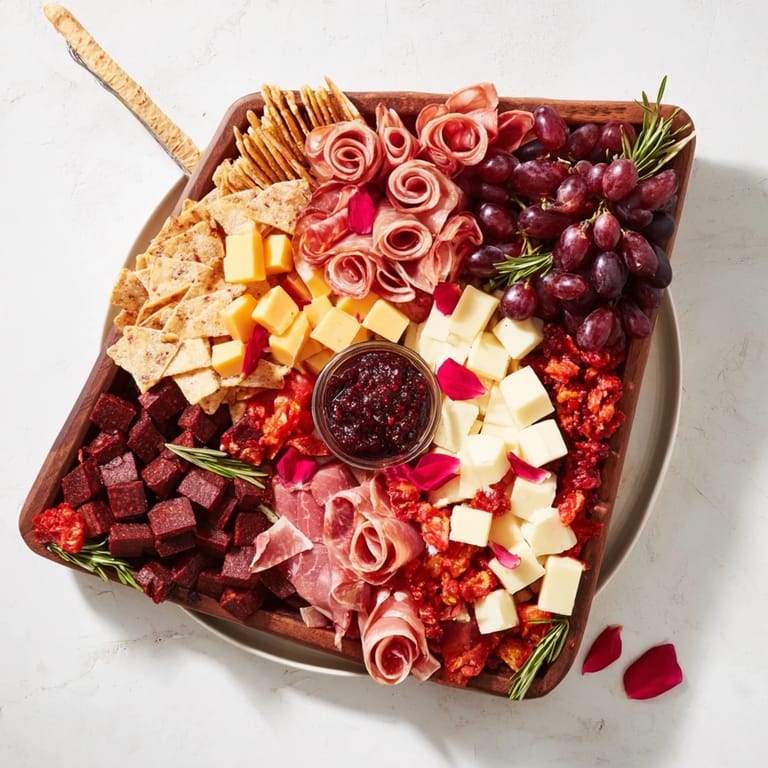
The magic moment comes when you take that step back and let your eyes settle on the whole board. If something feels empty or visually awkward, trust that instinct and adjust. I've learned to assemble mine about 30 minutes before guests arrive—enough time for the cheeses to reach perfect temperature, not so much that the bread starts drying or the meats begin to oxidize. The rosemary sprigs should look natural, not arranged like a flower arrangement. The rose petals, if you use them, are a whisper of elegance, not a shout.
- Keep cheese knives on the board or nearby so guests know they can cut and customize without hesitation.
- Set small plates nearby; people appreciate having a place to gather their selections rather than juggling everything bare-handed.
- Have extra napkins ready—wine-soaked cheeses and cured meats are rich, and guests will want to cleanse between bites.
 Save
Save Every time I make this board now, I think of that first nervously assembled platter and how it became the catalyst for an evening people still mention. It taught me that elegance isn't about complexity—it's about intention, balance, and trusting that simple, quality ingredients arranged with care will always be enough.
Kitchen Help
- → What types of meats are included in The Crimson Crest?
The board features premium red meats such as prosciutto, bresaola, spicy chorizo, and smoked beef salami, arranged to highlight their texture and flavor contrasts.
- → How are the cheeses prepared for this spread?
Cheeses are infused with red wine and sliced into bite-sized portions, including Drunken Goat, Red Wine Cheddar, and Merlot BellaVitano, fanned out beside the meats for easy access.
- → What accompaniments complement the meats and cheeses?
Fresh red grapes, pomegranate seeds, dried cranberries, roasted red peppers, and red onion jam provide sweet and tangy notes that balance the savory elements.
- → Can I substitute any items for dietary restrictions?
Yes, gluten-free crackers can replace the baguette and beet crackers. Also, consider alternative cheeses or meats based on individual dietary needs.
- → How should The Crimson Crest be served for best flavor?
Serve immediately at room temperature to maximize the richness and texture of the cured meats and wine-soaked cheeses, ensuring an optimal tasting experience.
- → What garnishes add to the presentation and aroma?
Fresh rosemary sprigs and optional edible rose petals contribute vibrant color and a fragrant aroma to the arrangement.