 Save
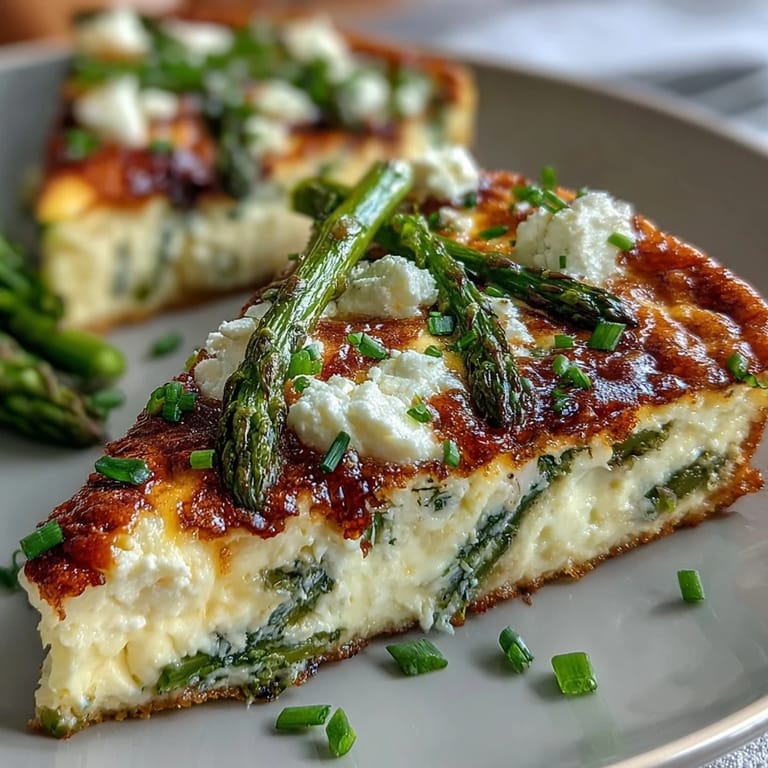
Save My neighbor knocked on the door one April morning with a basket of asparagus from her garden, and I had no idea what to do with it besides roast it into submission. That afternoon, watching the spears soften in my skillet while the eggs puffed up in the oven, I realized this was the answer to every lazy brunch question I'd ever had. A frittata asks so little of you—just vegetables, eggs, and a willingness to let the oven do the work—yet it tastes like you've been cooking since sunrise.
The first time I made this for actual guests, I panicked about timing—would it cook through? Would it stay fluffy?—but somehow it came together exactly as promised. We ate it warm with cold sparkling wine on my back porch while my friend's toddler chased bees, and that frittata became the thing everyone asked me to make again. It's the kind of dish that makes you look effortlessly put-together when really you just trusted the recipe.
Ingredients
- Asparagus (1 bunch, about 200 g, trimmed and cut into 2 cm pieces): Fresh spring asparagus is non-negotiable here—woody or thick stalks will resist your knife and your heat, so snap the bottoms off where they naturally bend.
- Red onion (1 small, finely chopped): It softens into something sweet and mild rather than harsh, which is exactly what a delicate frittata needs.
- Baby spinach (1 cup, about 30 g, roughly chopped): This wilts down to almost nothing, so don't be shy with the handful—it disappears into the eggs like it was never there.
- Eggs (6 large): Room temperature eggs whisk more smoothly and integrate with the milk into something silkier than cold ones ever will.
- Whole milk (1/4 cup, 60 ml): This keeps the frittata tender instead of rubbery, though cream would be decadent if you have it.
- Goat cheese (100 g, crumbled): Its tang cuts through the richness and those little pockets of creamy flavor are what people remember after the meal.
- Parmesan cheese (2 tbsp grated): This adds the nutty depth that makes everything taste intentional and finished.
- Fresh chives (2 tbsp, finely sliced): Save half for garnish—the heat of the frittata will soften them, so the final scatter keeps some brightness alive.
- Fresh dill (1 tbsp chopped, optional): If you have it, use it; if not, the chives alone carry the herbal weight just fine.
- Salt (1/2 tsp): Taste as you go because the cheeses already carry their own salt, and you don't want the end result to feel oversalted.
- Freshly ground black pepper (1/4 tsp): Grind it just before mixing so it stays peppery and sharp rather than dusty.
- Red pepper flakes (pinch, optional): A whisper of heat at the end, almost undetectable unless someone's paying attention.
- Olive oil (2 tbsp): This is where your vegetables first taste like something, so use one you actually like.
- Unsalted butter (1 tbsp): Added to the pan just before the eggs, it creates a protective layer so nothing sticks to the bottom.
Tired of Takeout? 🥡
Get 10 meals you can make faster than delivery arrives. Seriously.
One email. No spam. Unsubscribe anytime.
Instructions
- Get your oven ready:
- Preheat to 180°C (350°F)—this gentle heat will set the frittata evenly without rushing it and turning the edges dark brown.
- Start the vegetables:
- Heat olive oil in your ovenproof skillet over medium heat and add the red onion, letting it soften for 2 to 3 minutes until it loses its sharp edges. You'll smell something sweet happening, which means you're on track.
- Build the base:
- Add the asparagus and cook for another 4 to 5 minutes, stirring now and then, until the pieces are just tender enough to pierce with a fork but not mushy. Scatter the spinach over top and stir until it's collapsed and dark, about 1 minute total.
- Prepare the egg custard:
- In a bowl, whisk together the eggs, milk, salt, pepper, and half of your chives and dill until it's pale and slightly foamy. This is where you're creating the texture—whisking introduces air that becomes those little pockets of fluffiness.
- Bring it together:
- Lower the heat under your skillet to low, then pour the egg mixture evenly over the vegetables. Scatter the crumbled goat cheese across the top and finish with a sprinkle of Parmesan, then let it sit undisturbed for 4 to 5 minutes until you see the edges starting to set while the center still trembles slightly when you move the pan.
- Let the oven finish the job:
- Slide the skillet into your preheated oven and bake for 10 to 12 minutes, until the center is just set and the top is lightly golden—it should still feel a tiny bit tender when you press it gently, not firm like a cooked pancake. This is the moment where experience matters; overbaking turns it dense and disappointed.
- Rest and serve:
- Remove from the oven and let it sit for 5 minutes—this resting time is where the structure really solidifies, making slicing easier and keeping everything tender. Scatter the remaining chives and dill on top, dust with red pepper flakes if you like that warmth, then slice into wedges and serve warm or even at room temperature.
 Save
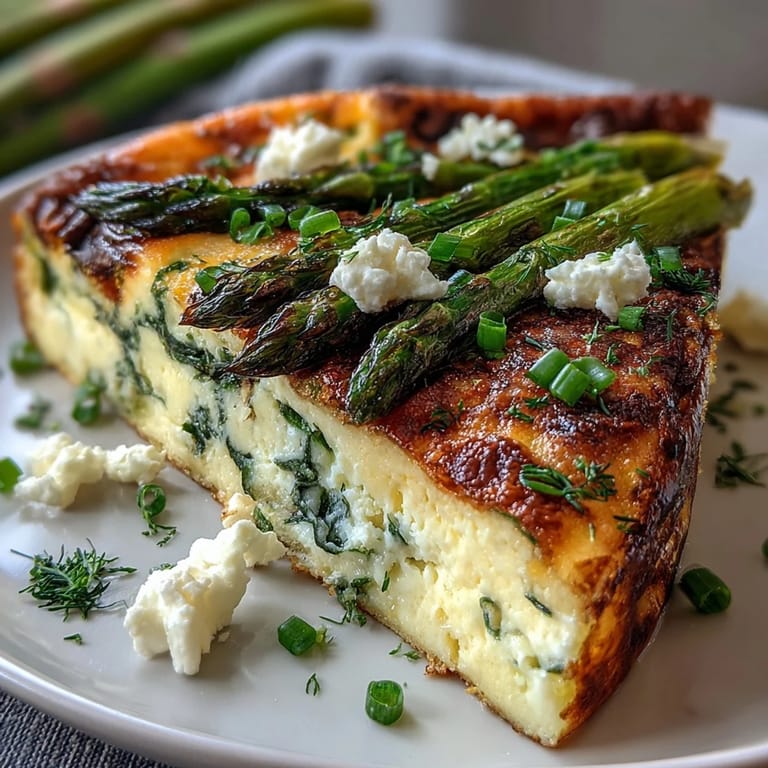
Save My mother-in-law asked for the recipe after tasting this, and I remember feeling oddly proud handing over something so simple. There's a quiet satisfaction in a dish that tastes refined but doesn't require you to be a refined cook.
Why Spring Vegetables Matter Here
Spring asparagus has a tender sweetness that autumn vegetables can't match—they've spent months waiting underground, and that energy comes through in the taste. When you add young spinach and fresh herbs that are actually available at the market because they're in season, the whole dish tastes lighter and more alive than it ever would in the winter. It's not just a frittata; it's a moment captured in eggs.
The Oven Temperature Matters More Than You Think
I've made this at 200°C thinking I'd speed things up, and the result was a golden-brown top with a barely-cooked center that slumped when I sliced it. The lower, gentler heat at 180°C allows the whole frittata to cook through at the same rate, setting from the bottom up evenly without the top burning. Trust the temperature in the recipe, even if it seems slow—these 12 minutes are actually doing something important.
Variations That Actually Work
Once you understand how a frittata works, you can swap vegetables and cheeses like you're playing with building blocks instead of following rules. Peas and leeks work beautifully if that's what you have, feta brings a sharper edge than goat cheese, and ricotta makes it almost decadently creamy. The structure stays the same; only the supporting cast changes.
- Fresh herbs are worth seeking out—dried chives become dusty, so if you only have dried dill, use half the amount and accept that fresh is always better.
- Cold frittata slices perfectly and tastes almost better the next day, so making this for breakfast then eating it for lunch is absolutely part of the design.
- A simple green salad and crusty bread alongside turn this from a side dish into an actual meal that feels complete and intentional.
 Save
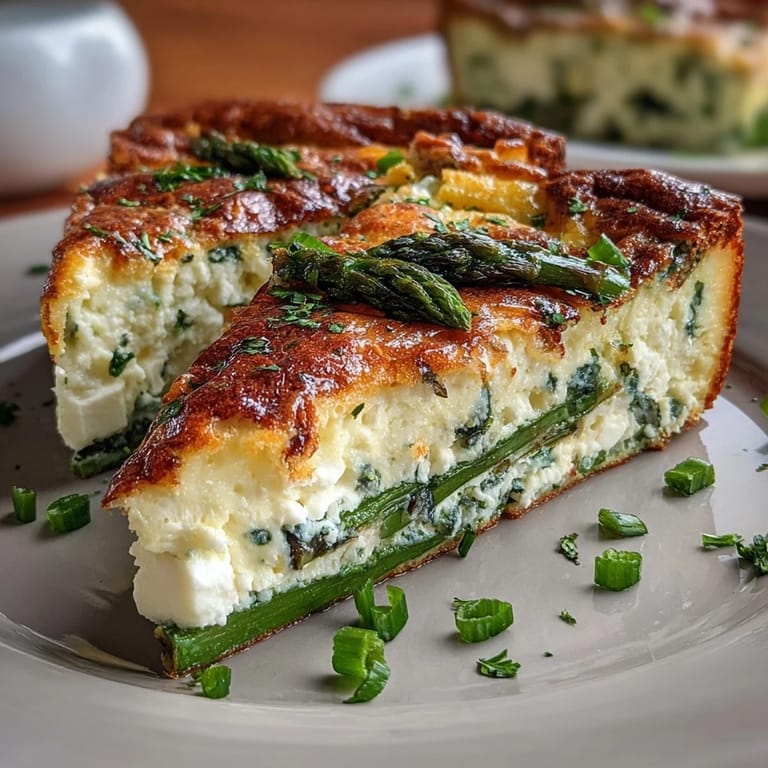
Save This frittata has become my go-to answer for when people ask what I'm making for brunch, and I never feel bored making it twice in the same month. It's one of those recipes that reminds you why cooking for people matters.
Kitchen Help
- → How do I prepare the asparagus for this dish?
Trim the asparagus and cut into 2 cm pieces before sautéing until just tender to preserve their bright flavor and texture.
- → Can I substitute the goat cheese?
Yes, feta or ricotta can replace goat cheese for a different creamy texture and flavor profile.
- → What is the best way to cook the frittata evenly?
Cook gently over low heat until the edges set, then finish baking in the oven until lightly golden and just set in the center.
- → Are there any suggested herbs to enhance the flavor?
Fresh chives and dill add a delicate herbal note that complements the asparagus and goat cheese beautifully.
- → What can be served alongside this dish?
A simple green salad and crusty bread or a crisp white wine enhance the light, fresh qualities of this dish.