 Save
Save My neighbor handed me a container of homemade pineapple juice one summer morning, and I stood in my kitchen staring at it for days before inspiration struck. I'd been making the same teriyaki chicken for months, nothing fancy, just competent, until I thought: what if I broke the rules a little? That juice went into a sauce that afternoon, and something shifted—suddenly there was brightness where there used to be just salty richness. Now whenever I make this bowl, I think of her standing in my driveway with that gift, completely unaware she'd just changed how I cook.
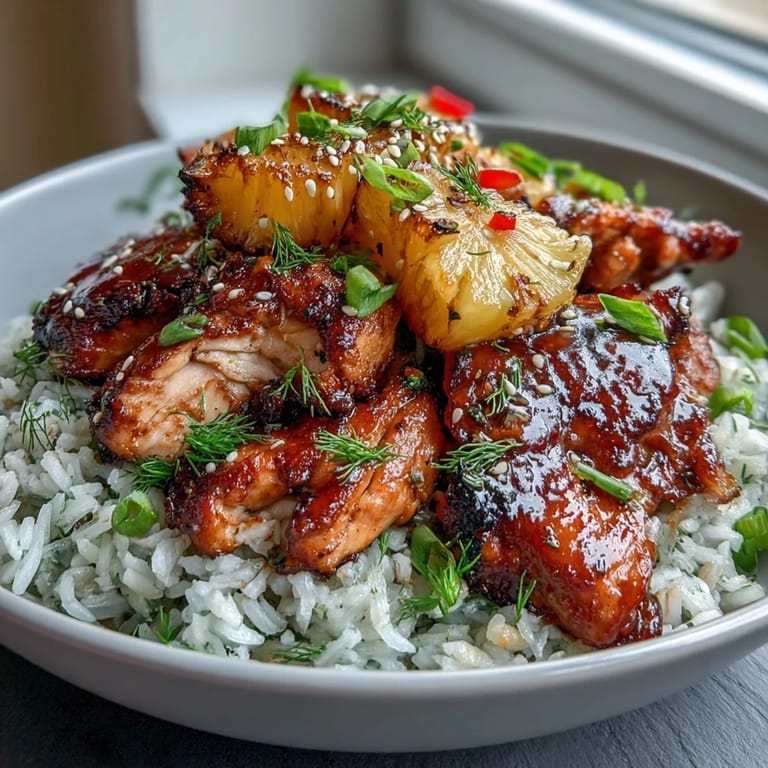
I made these bowls for a friend who'd just moved into her apartment with barely any kitchen equipment, and watching her face when she took that first bite—the pineapple hitting first, then the savory glaze—reminded me why I actually love cooking. She texted me the recipe request before she'd even finished eating, and that small moment turned into something we now make together whenever she needs comfort food that feels like a small adventure.
Ingredients
- Boneless, skinless chicken thighs or breasts (500 g): Thighs stay juicier and more forgiving than breasts, but honestly, use whatever you have—just don't overthink it.
- Vegetable oil (1 tbsp): This is your base for building flavor, so don't skip it or substitute with something that burns easily.
- Salt and pepper: Season the chicken generously before it hits the pan; this is where most of your seasoning happens.
- Soy sauce (80 ml): This is the backbone, so taste your sauce as you go—soy sauce brands vary wildly in saltiness.
- Pineapple juice (80 ml): Fresh juice makes a noticeable difference compared to canned, but canned works in a pinch.
- Brown sugar (2 tbsp): The sweetness needs to balance the salty soy, so don't reduce this unless you like punchy savory food.
- Honey (1 tbsp): This adds a subtle depth that plain sugar misses; it's worth keeping in your pantry.
- Rice vinegar (1 tbsp): The acid cuts through richness—skip it and the sauce tastes flat.
- Garlic and ginger (2 cloves and 1 tsp): Fresh is essential here; garlic powder tastes dusty by comparison.
- Cornstarch slurry (1 tbsp plus 2 tbsp water): This thickens the sauce into something glossy and clingy rather than thin and runny.
- Jasmine or short-grain rice (240 g): Jasmine rice stays separate and fluffy; short-grain gets stickier, which some people prefer.
- Fresh pineapple, red bell pepper, snap peas (combined 250 g): Fresh vegetables keep the bowl bright and prevent it from feeling heavy.
- Spring onions, sesame seeds, cilantro: These toppings turn a good bowl into one people actually photograph.
Tired of Takeout? 🥡
Get 10 meals you can make faster than delivery arrives. Seriously.
One email. No spam. Unsubscribe anytime.
Instructions
- Prepare the rice the right way:
- Rinse your rice under cold water until the water runs clear—this removes starch and prevents gummy results. Bring rice and water to a boil in a covered saucepan, then immediately lower heat and simmer for 15 minutes without peeking, then let it rest covered for 5 more minutes before fluffing with a fork.
- Sear the chicken until golden:
- Heat oil in a large skillet over medium-high heat until it shimmers, then add seasoned chicken pieces and don't move them for the first couple minutes—this creates that golden crust you're after. Cook 6 to 8 minutes total until cooked through, then transfer to a plate.
- Quick-cook the vegetables:
- In the same skillet, add bell pepper and snap peas and stir-fry for just 2 to 3 minutes until they're tender but still have some snap to them. Remove and set aside with the chicken.
- Build the teriyaki sauce:
- Combine soy sauce, pineapple juice, brown sugar, honey, rice vinegar, minced garlic, and grated ginger in a small saucepan and bring to a simmer over medium heat, stirring until sugar dissolves. You'll smell something wonderful happening.
- Thicken with the cornstarch slurry:
- Mix cornstarch with cold water until smooth, then stir into the simmering sauce and cook for about 1 minute, stirring constantly, until it thickens enough to coat a spoon. Watch it carefully—it thickens faster than you'd expect.
- Bring it all together:
- Return chicken and vegetables to the skillet, pour in the teriyaki sauce, then gently stir in the fresh pineapple cubes and heat through for 2 minutes, being careful not to break up the fruit. The whole mixture should be glossy and clingy.
- Compose your bowls:
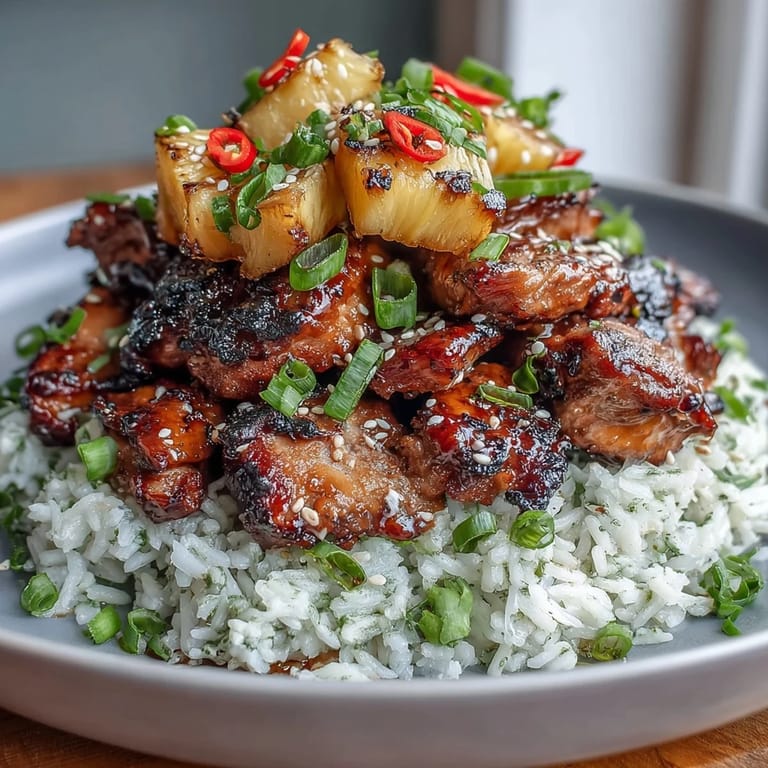
- Divide fluffy rice among bowls, top with the teriyaki chicken and vegetable mixture, then scatter spring onions, sesame seeds, and cilantro over the top.
 Save
Save There's something about pineapple that makes people feel like they're eating something special, something that traveled somewhere warm and tropical to reach their bowl. When dinner stops feeling obligatory and starts feeling like a small celebration of your own cooking, that's when you know you've made something right.
Why Pineapple Changes Everything
Before I started using actual pineapple juice in my teriyaki, the sauce tasted fine but unmemorable—competent but forgettable. The juice adds a complexity that just sweetness can't achieve; it's like the difference between hearing a song and actually listening to it. The acidity in the pineapple also prevents the glaze from becoming cloying, which matters more than you'd think when you're balancing honey and brown sugar.
The Chicken Question
People always ask whether to use thighs or breasts, and I've made this with both enough times to have opinions. Thighs stay forgiving and juicy even if you accidentally overcook them slightly, which happens to all of us on busy nights. Breasts cook faster and appeal to people watching their fat intake, but they need more attention to stay tender.
Variations That Actually Work
Once you understand this formula, it begs to be played with—I've made it with tofu for vegetarian friends, swapped the pineapple for mango when I couldn't find good pineapple, and added shredded carrots for color when bell peppers looked sad at the market. The structure stays strong even when you improvise.
- Tofu should be pressed first, then cubed, and needs a few extra minutes in the pan to develop any color.
- Edamame or shredded carrots add texture and nutrition without changing the flavor balance.
- A drizzle of sriracha on top adds heat for people who like their food with attitude.
 Save
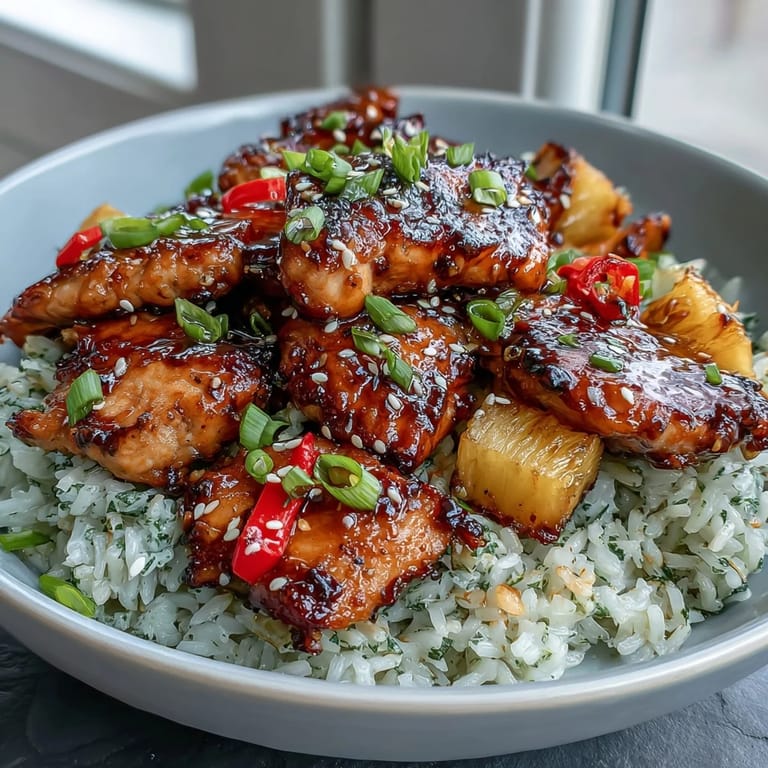
Save This bowl is the kind of meal that tastes like you've been cooking for hours when you've actually been in the kitchen less than an hour. That's the real magic here—easy wins that taste intentional.
Kitchen Help
- → What type of chicken works best?
Boneless, skinless chicken thighs or breasts cut into bite-sized pieces cook evenly and stay tender.
- → Can I make the teriyaki sauce ahead?
Yes, the sauce can be prepared in advance and stored refrigerated for up to three days.
- → What rice pairs well with this dish?
Jasmine or short-grain white rice works well, providing a fluffy texture that complements the flavors.
- → Are there good vegetable alternatives?
Snow peas, snap peas, and bell peppers are ideal, but you can also add edamame or shredded carrots for variety.
- → How do I thicken the teriyaki sauce?
A cornstarch slurry, made by mixing cornstarch with cold water, is stirred into the simmering sauce until it thickens.