 Save
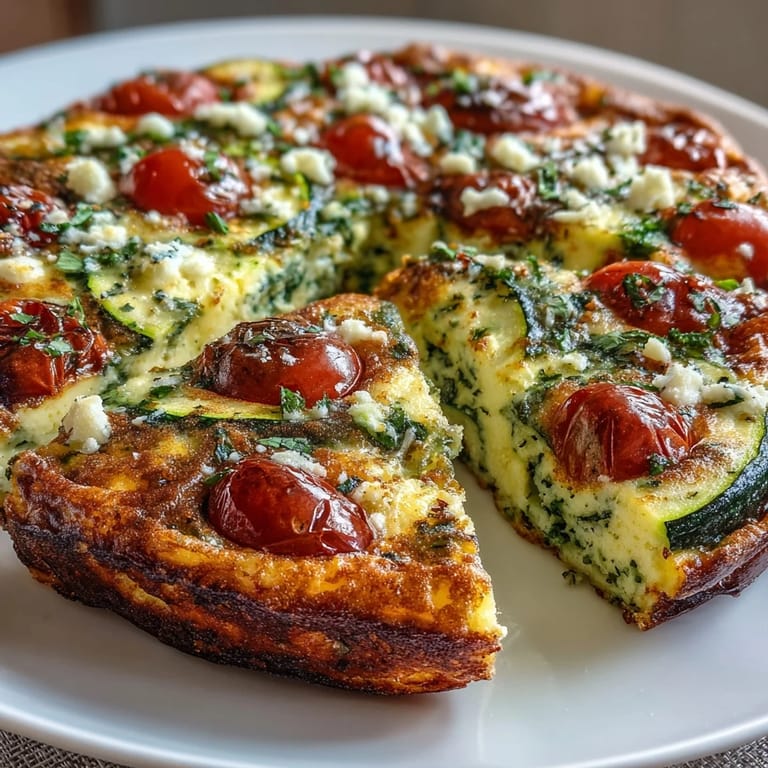
Save My neighbor stopped by one Saturday morning with a basket of zucchini from her garden—the kind of abundance that happens every summer when gardeners panic about what to do with all that green. I'd been feeling tired of heavy breakfasts, so I threw together this frittata on a whim, and something clicked. The way the eggs puffed up in the oven felt almost magical, and the kitchen smelled like fresh basil and tomatoes sizzling together. It became the thing I made whenever I wanted to feel light but still completely satisfied.
I made this for my book club on a Tuesday evening when I was supposed to bring something, and someone asked if I'd ordered it from a café. That moment of surprise—when people taste something simple and homemade and can't quite believe it—is exactly why I keep coming back to this recipe. It's the kind of dish that makes you look like you spent hours in the kitchen when really you were sipping coffee the whole time.
Ingredients
- Medium zucchini, thinly sliced: Thin slices mean the zucchini cooks through without turning mushy, keeping that pleasant texture that contrasts with the creamy eggs.
- Cherry tomatoes, halved: Halving them instead of leaving them whole helps them release their juice into the frittata without turning it watery.
- Small yellow onion, finely chopped: The sweetness of yellow onion mellows as it cooks, creating a subtle backbone for all the other flavors.
- Baby spinach: This is optional but worth including—it wilts down to almost nothing while adding iron and nutrients.
- Large eggs: Use the freshest eggs you can find; they whip up fluffier and create a better texture in the pan.
- Skim milk or plant milk: Just a splash makes the eggs more tender and helps them set evenly without drying out.
- Grated Parmesan cheese: A quarter cup gives you that salty, umami punch without making the frittata heavy; you can absolutely skip it if dairy isn't your thing.
- Fresh basil leaves, chopped: If you have fresh herbs on hand, use them—dried basil works, but there's no comparison to the brightness of fresh.
- Dried oregano: Just a half teaspoon adds an Italian warmth that ties the whole dish together.
- Garlic, minced: One small clove is plenty; garlic in frittatas can easily overpower if you're heavy handed.
- Olive oil: A tablespoon coats the pan enough to keep everything from sticking without making the frittata oily.
Tired of Takeout? 🥡
Get 10 meals you can make faster than delivery arrives. Seriously.
One email. No spam. Unsubscribe anytime.
Instructions
- Get your oven ready:
- Preheat to 375°F (190°C) so it's warm and waiting when you need it.
- Start with the onions:
- Heat olive oil in your oven-safe skillet over medium heat and add the chopped onion, letting it soften for about 2 minutes until it's just starting to turn translucent. You'll notice it becomes almost sweet-smelling, which is your signal to move forward.
- Cook the zucchini until tender:
- Add your zucchini slices and stir occasionally for 4 to 5 minutes, watching how they soften and begin to release their moisture into the pan. Don't worry about them sticking—that's just flavor building.
- Add garlic and let it bloom:
- Drop in your minced garlic and cook for just 1 minute, stirring constantly so it doesn't catch on the hot pan and turn bitter. The aroma will shift, becoming more fragrant.
- Introduce the tomatoes and spinach:
- Scatter in your halved cherry tomatoes and the baby spinach if you're using it, letting everything cook together for about 2 minutes until the spinach melts down and the tomatoes start to soften. This is when the pan begins to smell like actual food.
- Prepare your egg mixture:
- While the vegetables are cooking, whisk together your eggs with the milk, Parmesan, basil, oregano, salt, and pepper in a separate bowl. The mixture should look pale and slightly foamy when you're done whisking.
- Pour and gently combine:
- Pour your egg mixture over the vegetables in the skillet, then stir gently with a spatula to make sure the eggs flow around all the vegetables without breaking them apart. Let this cook undisturbed for 2 to 3 minutes, during which time you'll see the edges start to set while the center remains soft.
- Transfer to the oven:
- Once the edges look slightly firm but the center is still jiggly, carefully transfer the whole skillet to your preheated oven. If you don't have an oven-safe skillet, wrap the handle in foil to protect it.
- Bake until puffed and set:
- Bake for 10 to 12 minutes, watching through the oven window if you can—you're looking for the frittata to puff up slightly and the center to set while still having the faintest jiggle. It will continue to cook slightly after you pull it out, so don't overbake.
- Cool and serve:
- Let it rest in the skillet for 2 minutes so the eggs firm up just a touch, then slice it into wedges. It's wonderful warm, but honestly, it tastes just as good at room temperature or even cold from the fridge.
 Save
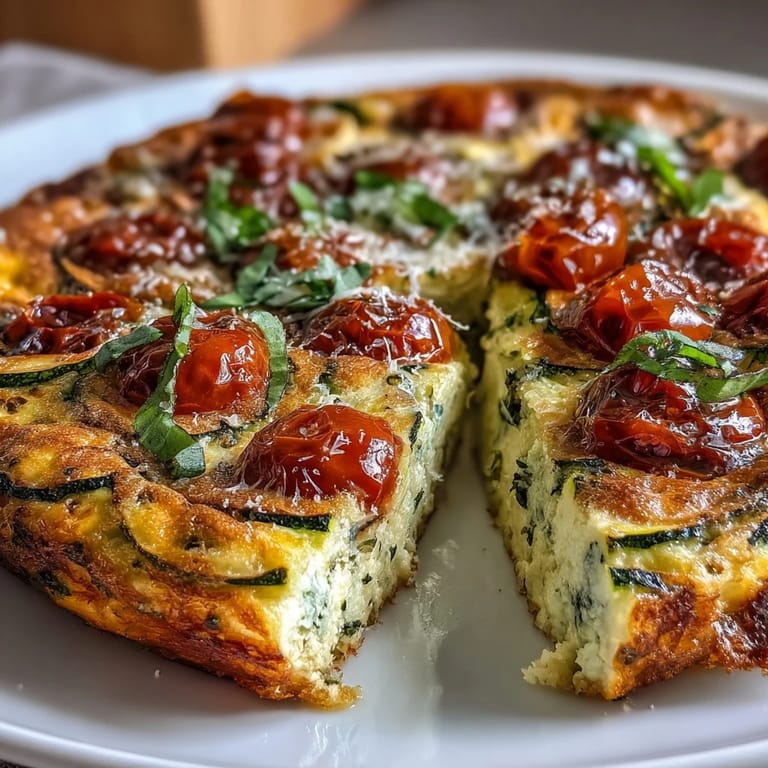
Save My daughter asked me once why I liked this frittata so much when it looked so simple, and I realized it's because simplicity is kind of the point. It's the breakfast that doesn't ask for anything from you except that you show up to the kitchen. Everything else follows naturally.
Why This Works as a Weekday Breakfast
There's something about a frittata that feels both fancy and completely doable on a Tuesday morning when you're already running late. You're not flipping anything, you're not timing multiple things at once, and you're not standing over a hot stove for twenty minutes straight. The oven does most of the work while you pour your coffee or check your phone, and then suddenly you have a warm, protein-packed meal that actually tastes like you cared.
Playing Around with Vegetables
The beauty of a frittata is that it's forgiving about vegetables—whatever you have on hand that needs using will probably work beautifully. I've made this with roasted red peppers, mushrooms, broccoli, and even leftover roasted asparagus, and each version tastes entirely different while still feeling like the same comforting dish. The key is not overcrowding the skillet and making sure anything particularly watery gets drained before it goes in.
Storing and Reheating
This frittata is a gift to your future self because it keeps beautifully in the refrigerator for three or four days, which means you can slice off a wedge whenever breakfast or a quick lunch calls for it. You can eat it straight from the fridge if you're in a hurry, or pop a slice in the microwave for 20 seconds if you prefer it warm and slightly less firm.
- Wrap any leftover slices in parchment paper before refrigerating so they don't dry out.
- Cold frittata pairs wonderfully with a simple salad and a little vinaigrette for a light lunch.
- If you want to make it ahead for the week, this is the perfect recipe to prepare on Sunday evening.
 Save
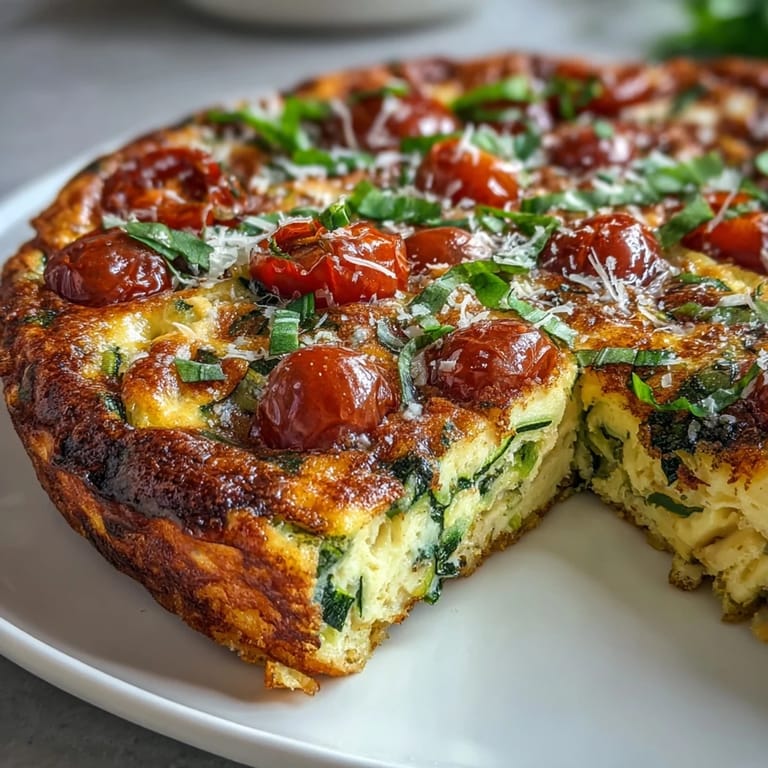
Save This frittata became my answer to the question of how to eat well without spending hours in the kitchen. It's honest food that tastes like you know what you're doing.
Kitchen Help
- → Can I make this ahead of time?
Yes, this frittata stores beautifully. Refrigerate for up to 4 days and enjoy cold or gently reheated in the microwave or oven.
- → What vegetables work well as substitutions?
Bell peppers, mushrooms, asparagus, or broccoli make excellent additions. Keep the total vegetable amount around 3 cups for best results.
- → Is this frittata gluten-free?
Naturally gluten-free. Ensure all ingredients, especially packaged seasonings or dairy alternatives, are certified gluten-free if needed.
- → Can I use egg whites instead of whole eggs?
Substitute with 1.5 cups of liquid egg whites or a combination of 3 whole eggs and 3 egg whites for a lighter version.
- → What if I don't have an oven-safe skillet?
Sauté vegetables in any pan, transfer to a greased baking dish, pour egg mixture over top, and bake at 375°F for 15-18 minutes.
- → How do I know when it's done?
The frittata should be puffed and golden, with the center set but still slightly jiggly. It will continue cooking as it rests for 2 minutes.