 Save
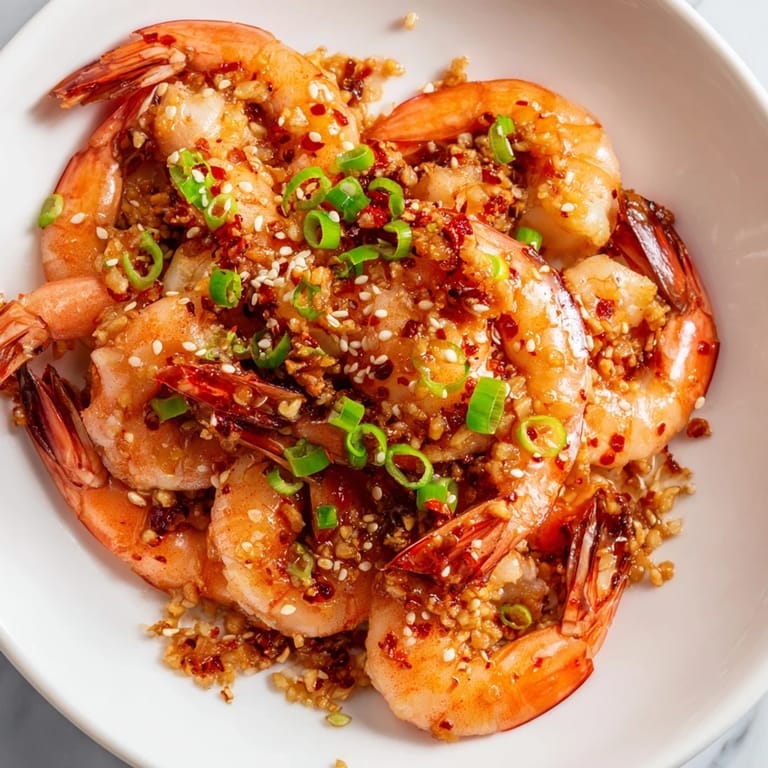
Save The first time I made Korean garlic butter shrimp, I wasn't trying to impress anyone—I was just hungry and had a pound of beautiful shrimp sitting in my fridge. I'd tasted something similar at a tiny Korean fusion spot downtown, where the butter pooled at the bottom of the bowl and you could taste every single layer of flavor at once. That night, I stood at my stove with a stick of butter and some gochugaru, and something clicked. Now whenever I make this, I'm transported back to that moment of happy accident, when I realized that sometimes the simplest combinations create the most memorable meals.
I remember making this for my partner on a random Tuesday when neither of us felt like ordering takeout. We sat at the kitchen counter while the shrimp sizzled, and the smell of garlic and sesame oil filled the whole apartment. By the time we sat down to eat, we were both so hungry we barely spoke—just made those satisfied sounds that mean the food is doing exactly what it should.
Ingredients
- Large shrimp (500g or 1 lb): Buy them as fresh as possible, and don't skip the patting-dry step—wet shrimp won't develop that beautiful golden exterior.
- Unsalted butter (3 tbsp): This is where the richness lives, so use real butter, not a substitute, unless you have a reason to.
- Garlic (4 cloves): Mince it fine and watch it carefully so it turns fragrant but never brown, which would make it bitter.
- Gochugaru (1 tbsp): This Korean chili flake is the whole personality of the dish—it's fruity and spicy without being overwhelming if you don't add more.
- Soy sauce (1 tbsp): Use tamari or coconut aminos if you're avoiding gluten, and measure carefully because it's salty.
- Honey (1 tbsp): The sweetness balances the heat and saltiness, creating that perfect harmony of flavors.
- Sesame oil (1 tsp): This is the finishing touch that makes people ask what you did differently—it's potent, so a little goes a long way.
- Scallions (2 tbsp chopped): Sprinkle these on at the very end for a bright, fresh contrast to the rich sauce.
- Toasted sesame seeds (1 tsp): The nuttiness rounds everything out and adds a lovely textural element.
Tired of Takeout? 🥡
Get 10 meals you can make faster than delivery arrives. Seriously.
One email. No spam. Unsubscribe anytime.
Instructions
- Prepare and dry your shrimp:
- Pat each shrimp thoroughly with paper towels—this is the difference between shrimp that sears and shrimp that steams. Take your time here because it genuinely matters.
- Melt the butter and toast the garlic:
- Over medium heat, let the butter foam gently, then add your minced garlic and listen for that sizzle. Keep stirring, and after about a minute when it smells incredible but looks pale gold, you're ready for the next step.
- Build the sauce:
- Stir in the gochugaru, soy sauce, honey, and sesame oil all at once, and let them bubble together for just 30 seconds so the flavors marry but nothing burns.
- Cook the shrimp:
- Lay the shrimp in a single layer in the skillet—don't crowd them—and let them sit for 2 to 3 minutes until the underside turns pink. Flip and cook the other side until the shrimp are completely opaque and have that slight curl to them.
- Toss and finish:
- Remove from heat, toss the shrimp gently through the sauce so each one gets coated, then transfer everything to a serving platter while it's still hot.
- Garnish and serve:
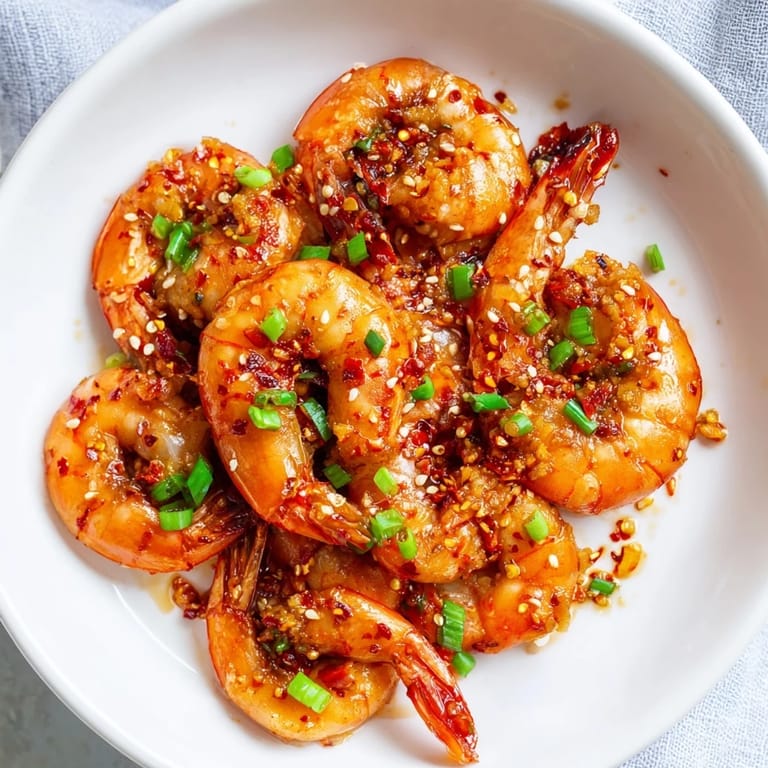
- Scatter scallions and sesame seeds over the top, squeeze a lemon wedge over if you want brightness, and eat it immediately with bread or rice to catch every drop of that magical sauce.
 Save
Save The first time someone asked me for this recipe, I realized it had stopped being about following instructions and started being about something I made with my hands that people genuinely looked forward to eating. That's when cooking becomes less about technique and more about connection.
Why This Sauce Works
Korean chili flakes aren't just about heat—they have this fruity, complex depth that regular red pepper flakes don't touch. When you bloom them in hot butter with garlic, they release oils that coat every inch of the shrimp. The soy sauce brings umami and saltiness, while the honey adds just enough sweetness to make your taste buds light up. Sesame oil is the secret weapon that ties everything together with a nutty perfume you can't quite name but absolutely recognize. Together, these five ingredients create something greater than the sum of their parts.
Serving Suggestions
I've served this over fluffy white rice when I want something comforting, and over a tangle of chewy noodles when I want something more substantial. Sometimes I skip the starch entirely and just eat it as an appetizer with crusty bread for dipping, because honestly, that sauce is the whole story. I've also tossed it with cooked rice noodles and fresh herbs for a lighter summer version, and it works beautifully that way too.
Small Tricks That Make a Difference
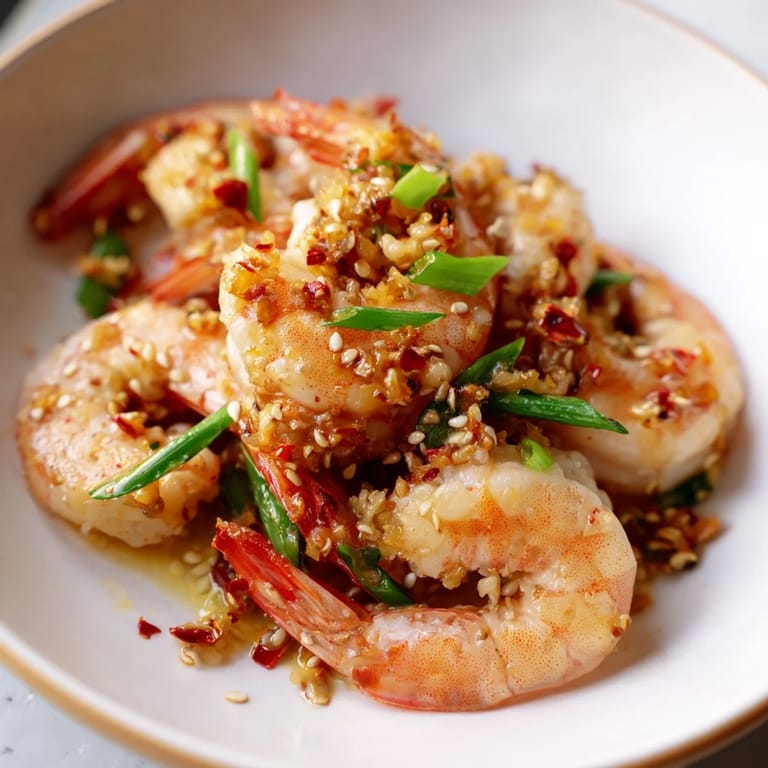
One thing I learned by accident is that if you let the shrimp sit in the pan without moving them for the full 2 to 3 minutes before flipping, they develop this incredible golden crust that adds texture and depth. Another time, I added a tiny splash of lemon juice to the sauce right before serving, and it brightened everything up in a way I wasn't expecting. The sesame seeds truly should be toasted because raw ones taste like nothing, but toasted ones add this warm, nutty layer that makes people notice.
- Buy the best shrimp you can afford because they're the star of the show and deserve respect.
- Have all your ingredients measured and ready before you start cooking—this dish moves fast and there's no time for prep.
- Don't skip the lemon wedges on the side because that acid is the final note that makes everything sing.
 Save
Save This is the kind of recipe that tastes impressive but feels easy, which is exactly the kind of cooking I love most. Make it tonight, and I promise someone at your table will ask for the recipe.
Kitchen Help
- → What type of chili flakes add heat to the dish?
Korean gochugaru chili flakes provide a moderate spicy kick with smoky and slightly sweet undertones, complementing the garlic butter.
- → Can I use frozen shrimp for this preparation?
Yes, thaw frozen shrimp completely and pat them dry before cooking to ensure even sautéing and a good sear.
- → What can I substitute for soy sauce in this sauce?
Gluten-free tamari or coconut aminos work well as alternatives while maintaining savory depth.
- → How do I adjust the spice level to my preference?
Increase or decrease the amount of gochugaru chili flakes, or add a pinch of red pepper flakes for extra heat.
- → What sides pair well with this shrimp dish?
It goes great with steamed rice, noodles, or a crisp green salad to balance the richness.
- → Is it possible to make this dairy-free?
Yes, substitute the butter with a plant-based or dairy-free butter alternative without changing the flavor profile significantly.