 Save
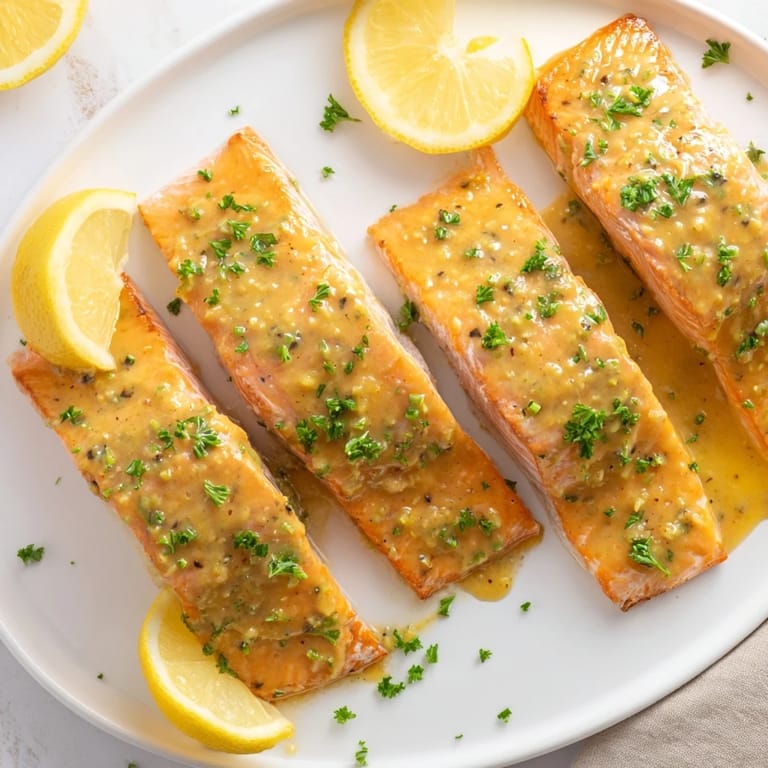
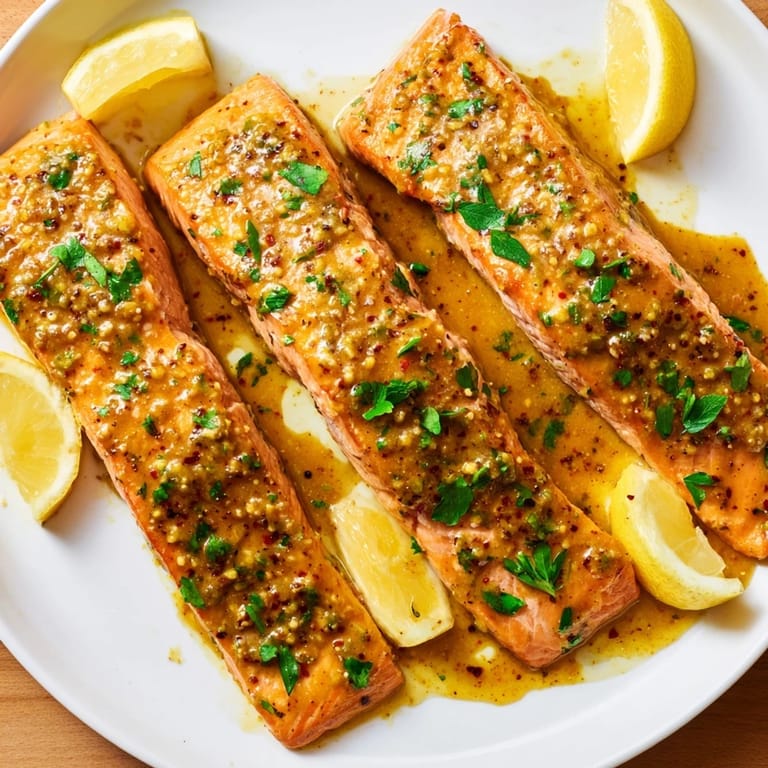
Save I discovered this honey mustard salmon on a Tuesday night when I was determined to impress without the stress. The beauty of it hit me instantly—no complicated techniques, no babysitting the stove, just salmon and a sauce that tastes like you've been thinking about dinner all day. My kitchen smelled incredible within minutes, and that's when I knew this would become one of those recipes I'd make over and over again. There's something magical about how the honey caramelizes at the edges while the fish stays impossibly tender inside.
I made this for my sister last spring when she mentioned being tired of the same old salmon preparations. Watching her take that first bite and just close her eyes—that's when I realized this recipe was a keeper. The glaze caught the evening light in our kitchen, and suddenly dinner felt like an occasion, even though it was just Tuesday. She asked for the recipe before dessert, which is the highest compliment I know.
Ingredients
- Salmon fillets (4, about 6 oz each): Whether you choose skin-on or skinless is entirely up to you, though I've learned that skin-on keeps the fish from drying out if you're worried about overcooking.
- Dijon mustard (3 tbsp): This is the backbone of your sauce, giving it that sharp, sophisticated edge that balances the honey beautifully.
- Whole grain mustard (2 tbsp): The seeds add texture and a slightly rustic quality that makes the sauce feel more interesting.
- Honey (3 tbsp): Use the real thing if you can, and drizzle it slowly into the sauce—the sweetness needs to play nicely with the mustard.
- Olive oil (1 tbsp): This helps the sauce coat the salmon evenly and prevents it from sticking to the pan.
- Lemon juice (1 tbsp): Fresh lemon is non-negotiable here; it brightens everything and keeps the sauce from feeling heavy.
- Garlic (2 cloves, minced): Mince it fine so it distributes through the sauce without overpowering the delicate fish.
- Salt and black pepper (½ tsp and ¼ tsp): Taste as you go—your salt preference might differ based on the brands you're using.
- Fresh parsley (1 tbsp, optional) and lemon wedges: These aren't just garnish; they're the finishing touch that makes the plate feel intentional.
Tired of Takeout? 🥡
Get 10 meals you can make faster than delivery arrives. Seriously.
One email. No spam. Unsubscribe anytime.
Instructions
- Heat your oven and prep your stage:
- Get your oven to 400°F and line a baking sheet with parchment paper or a light grease. This takes two minutes and sets you up to move quickly once you're ready to bake.
- Build your sauce:
- In a small bowl, whisk together both mustards, honey, olive oil, lemon juice, minced garlic, salt, and pepper until everything looks smooth and cohesive. I like to taste it with a clean spoon at this point—if it's too sharp, add a touch more honey; if it's too sweet, add a squeeze more lemon.
- Arrange and dry your salmon:
- Place the salmon fillets on your prepared baking sheet and pat them dry with paper towels. This small step prevents water from diluting your sauce and helps the fish cook more evenly.
- Coat generously:
- Spoon the honey mustard sauce over each fillet, spreading it to cover the top surface completely. Don't be shy here—the sauce is the star, and the fish is the vehicle.
- Bake until golden and tender:
- Slide the baking sheet into your preheated oven for 15 to 20 minutes, depending on the thickness of your fillets. You'll know it's done when the flesh flakes easily with a fork and the center is opaque, not translucent.
- Finish and serve:
- Remove from the oven, scatter fresh parsley over the top if you'd like, and serve immediately with lemon wedges on the side. The residual heat keeps everything perfect while you plate up.
 Save
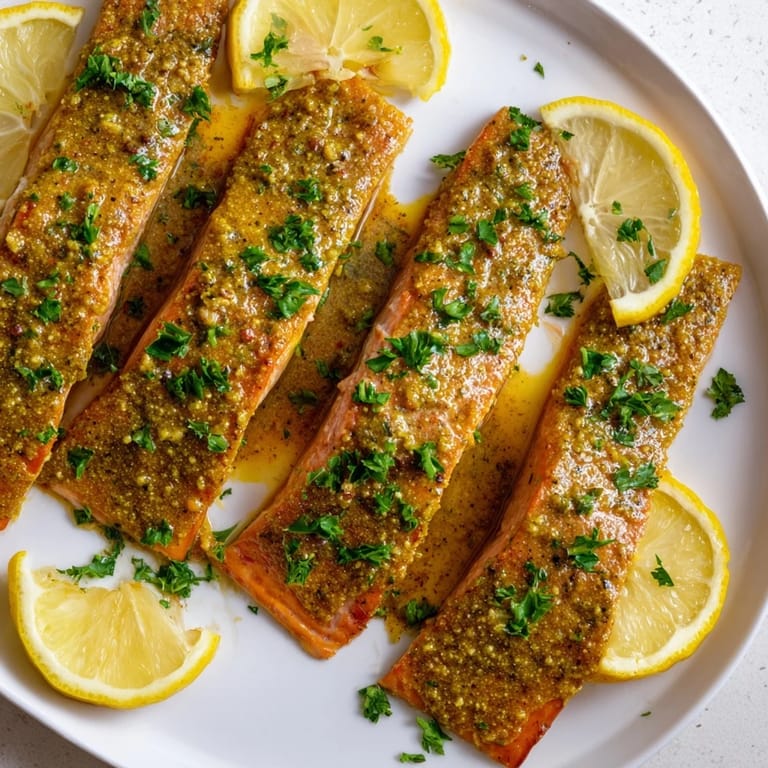
Save There's a moment when the fish comes out of the oven and the whole kitchen smells like honey and mustard and something vaguely gourmet that I can never quite name. That's when I know I've made the right choice for dinner. It's comfort food dressed up without any of the pretense.
Why This Sauce Works
The secret is in the combination of two mustards instead of one. The Dijon brings sophistication and sharpness, while the whole grain mustard adds texture and a gentler, almost sweet undertone that softens the intensity. When you add honey and lemon to that, you're creating a sauce that's both complex and balanced—it feels like something you'd pay money for at a restaurant, but you made it in a bowl in less than a minute. The olive oil and garlic tie everything together, making the sauce coat the fish instead of sliding off. I've learned that the order doesn't matter much, but whisking until it's smooth does.
Sides That Belong on the Plate
I've served this with almost everything, and it's forgiving that way, but some combinations feel more natural than others. Rice absorbs the sauce beautifully and feels substantial without being heavy. Roasted vegetables—especially asparagus or broccoli—add color and texture without competing for attention. A fresh salad with a light vinaigrette cuts through the richness of the sauce and keeps the meal feeling balanced and bright. The citrus notes in the mustard sauce echo nicely against anything with a little acidity.
Storage and Timing
This is best eaten immediately while the salmon is warm and the sauce still has that glossy finish, but I've reheated leftovers gently in a low oven and they're still quite good. If you're planning ahead, you can make the sauce up to a day in advance and keep it in a covered container in the fridge—just give it a stir before using it. The beauty of this recipe is that it doesn't require any special advance prep, so you can literally decide to make it an hour before dinner and still feel completely in control.
- Salmon keeps in the fridge for up to two days after cooking, though the texture changes slightly.
- The raw sauce will thicken slightly as it sits, so if it's been refrigerated, let it come to room temperature before spreading it on the fish.
- Honestly, the best practice is to make this on a night when you have time to enjoy it fresh from the oven.
 Save
Save This salmon has quietly become the recipe I reach for when I want to feel like I've cooked something special without the drama. It's the kind of dinner that makes people think you've been planning all day when really you've just been smart about your shortcuts.
Kitchen Help
- → What type of mustard works best for the sauce?
A combination of Dijon and whole grain mustard provides the best balance of smoothness and texture for the sauce.
- → Can I use skin-on salmon fillets?
Yes, skin-on fillets can be used and they help keep the salmon moist during baking.
- → How do I know when the salmon is cooked?
The salmon is done when it flakes easily with a fork and appears opaque in the center.
- → Can I broil the salmon for extra caramelization?
Yes, broiling for the last 2 minutes enhances caramelization and adds a slight crisp to the glaze.
- → What are good side dishes to serve with this salmon?
Quinoa, rice, roasted vegetables, or a fresh green salad complement the flavors nicely.