 Save
Save The first time I made miso ramen at home, my kitchen was filled with the toasty scent of sesame oil and ginger sizzling together, making me pause mid-chop just to inhale. I had always thought of ramen as a special-occasion meal—the kind you seek out in cozy corner shops when the weather turns. But one chilly evening, with rain tapping on my window, I decided to turn a handful of pantry staples into something wonderfully comforting. There’s something deeply satisfying about coaxing layers of flavor from such humble ingredients. By the time I slid a wobbly, soft-boiled egg on top, I was already planning my next bowl.
Last winter, I found myself making this ramen for friends who had just trudged through a surprise snowstorm to visit. The kitchen steamed up in no time, and laughter bounced off the walls as we slurped noodles, egg yolks running into the hot broth. Watching everyone go back for second helpings is a moment I think about when I want to feel genuinely useful and appreciated. This bowl really does taste like a warm welcome. It’s exactly the sort of meal that draws people closer, even on the coldest days.
Ingredients
- Low-sodium vegetable broth: This is the canvas of your ramen; use a good one, and if you want a deeper flavor, add a splash of mushroom stock.
- White miso paste: The heart of the broth’s savory depth; whisk it in separately to keep things smooth and never let it boil after adding.
- Soy sauce: This brings salt and umami—tamari works for a gluten-free swap but go easy and taste as you go.
- Sesame oil: Its nutty aroma is unforgettable—add it at the beginning for an earthy foundation.
- Fresh ginger: Grate instead of mincing for extra fragrance; it melts right into the broth.
- Garlic cloves: Smash and mince them for a mellow baseline that doesn't overpower.
- Mirin: A splash of sweetness makes the broth round; it’s optional but delightful if you have it.
- Chili paste: Add for warmth that sneaks up politely, perfect for cold evenings.
- Ramen noodles: Springy noodles soak up flavor best; fresh are ideal, but dried still hit the spot.
- Eggs: Seven-minute eggs give that perfect, jammy center—shock in cold water so they peel more easily.
- Sliced mushrooms: Shiitake or cremini both work for their deep woodsy flavor; don’t crowd the pan while sautéing.
- Baby spinach: Stir in just at the end so it wilts, keeping its color and bite.
- Corn kernels: A pop of sweetness and sunshine, even if it’s frozen corn from your freezer.
- Green onions: Use both the greens and the mild white parts for color and crunch on top.
- Nori: Seaweed strips give that distinct ramen shop finish—slice before serving so it stays crisp.
- Toasted sesame seeds: Just a pinch for extra nutty pop right at the end, and toast them for extra aroma if you have time.
Tired of Takeout? 🥡
Get 10 meals you can make faster than delivery arrives. Seriously.
One email. No spam. Unsubscribe anytime.
Instructions
- Perfect your eggs:
- Lower eggs into gently boiling water, set a timer for exactly 7 minutes, and don’t wander off—they need to be just gooey in the center. Rinse under cold water to halt the cooking, then peel carefully to keep that yolk just right.
- Sauté with purpose:
- In a roomy pot, heat sesame oil until glossy, then toss in ginger and garlic—their sizzle, followed quickly by their aroma, means it’s working. Stir gently so nothing browns too fast; you want soft, golden edges, not burnt bits.
- Mushroom magic:
- Add sliced mushrooms and stir as they sigh and shrink, releasing their earthy scent, about 3 or 4 minutes until soft but not mushy.
- Broth build:
- Pour in vegetable broth, soy sauce, and mirin; watch the color darken and the steam rise, then let it simmer quietly for 10 minutes so flavors can mingle. Taste at this point—you’ll start to recognize that ramen shop aroma.
- Miso blend:
- Scoop a ladle of hot broth into a small bowl, whisk with miso paste until creamy (no lumps allowed), then slide this mixture into your pot. Add chili paste here if you want a subtle kick, then stir gently and never let it boil now, or the miso will go grainy.
- Season and finish:
- Taste and adjust with a dash of soy or an extra spoon of miso until it’s singing for you—don’t be shy, small tweaks make big difference.
- Noodle time:
- Boil noodles according to their package, stirring to prevent sticking; drain and divide among your bowls, resisting the urge to eat them straight from the pot.
- Assembly time:
- Ladle steaming miso broth over each serving of noodles, breathing in that deep, earthy fragrance as you pour.
- Add your toppings:
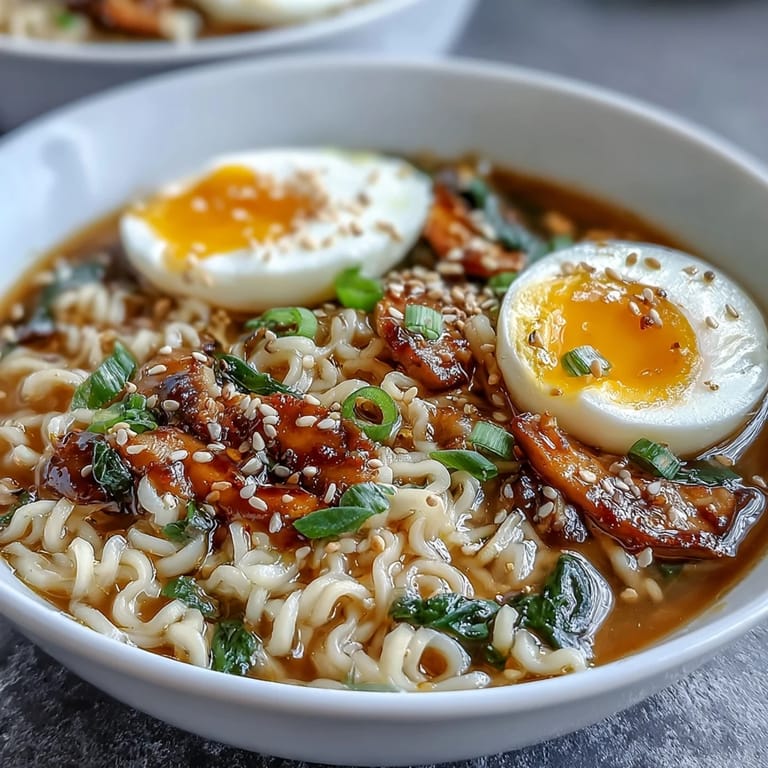
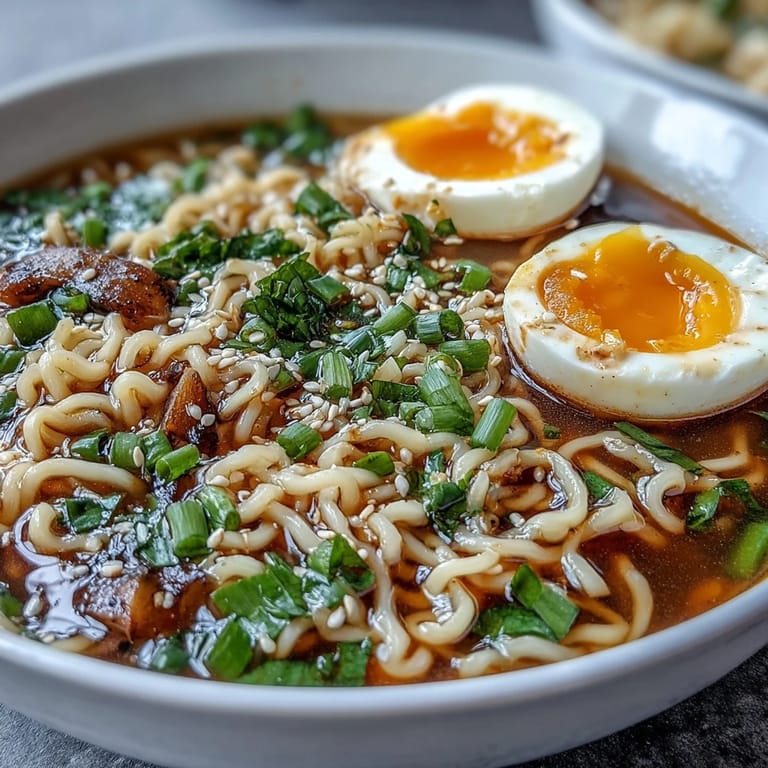
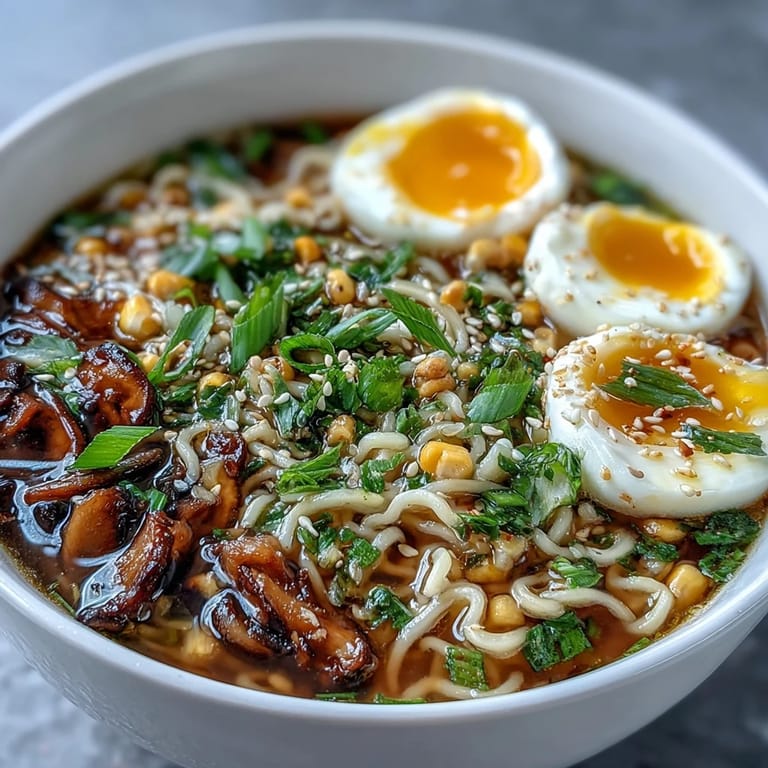
- Arrange sautéed mushrooms, a nest of spinach, sweet corn, halved eggs, green onions, and nori strips, then scatter toasted sesame seeds over the top for good luck.
- Serve right away:
- Ramen waits for no one—dig in immediately while everything is hot and lively.
 Save
Save  Save
Save There’s a quiet magic to when someone you care about insists on taking the last ladle of broth, even after claiming they’re full. It’s the kind of moment where the food lingers on lips and memories settle in, and suddenly, this homemade miso ramen just means a little more.
How to Adjust for Dietary Needs
I learned after a few trial runs how easy it is to adapt this recipe for different eaters—my vegan friends cheerfully pile in tofu or mushrooms instead of egg, and gluten-free noodles hold up surprisingly well. The key is making sure the richness of the broth is there no matter what.
Flavor Twists to Try
Sometimes I swap in a swirl of chili oil or a squeeze of lime for extra brightness, and pickled bamboo shoots or bean sprouts add a satisfying crunch if you have them on hand. Never hesitate to stir curiosity into your next bowl.
Getting That Shop-Quality Texture
To mimic that ramen-shop bounce in your noodles, I’ve found that rinsing them briefly after cooking keeps them springy instead of sticky, especially if you’re batch-cooking for a crowd. Keep greens and toppings separate until serving for the freshest result.
- If the broth gets too salty, a splash of water saves the day.
- Leftover toppings are amazing on rice the next day.
- Always toast your sesame seeds—they wake up the whole bowl.
 Save
Save 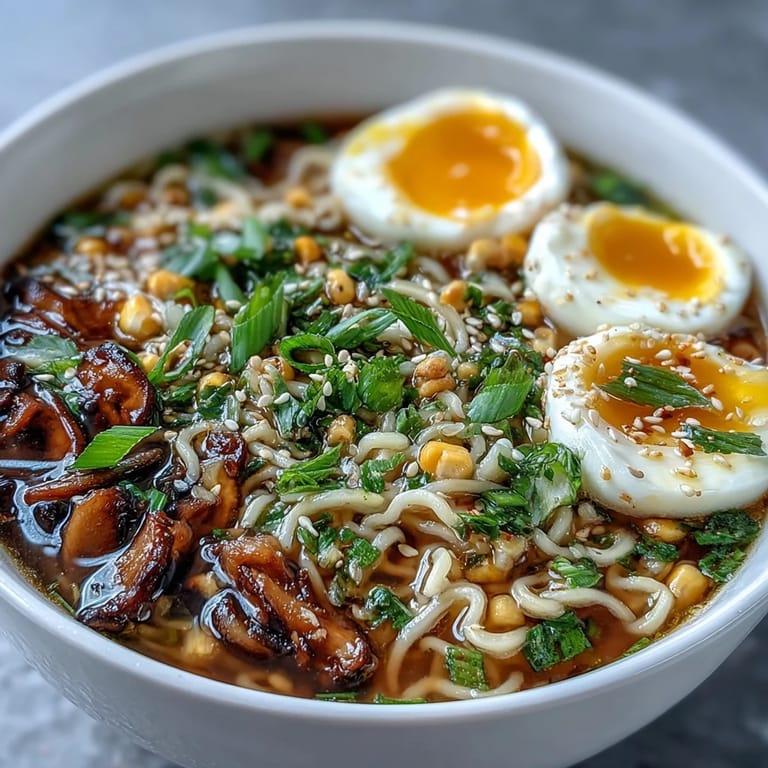 Save
Save Savor every bite—it’s amazing what a homemade bowl of ramen can do for your mood and the people gathered around your table.
Kitchen Help
- → Can I use different types of miso?
Yes. White miso yields a mild, sweet profile while red or barley miso adds deeper umami and saltiness. Start with the listed amount and adjust to taste, dissolving miso off the heat to preserve its flavor.
- → How do I get perfect soft‑boiled eggs?
Bring water to a gentle boil, lower eggs carefully, and simmer for about 7 minutes for jammy yolks. Transfer to ice water to stop cooking, then peel gently. Slight timing changes adjust yolk set.
- → What noodles work best?
Fresh ramen noodles are ideal for springy texture; dried ramen is a fine substitute. Cook noodles separately to avoid clouding the broth and add them to bowls just before serving.
- → How can I make it vegan or vegetarian?
Use vegetable broth, omit eggs, and add cubed tofu or extra mushrooms for protein and texture. Check miso and mirin labels for any animal-derived ingredients if strict vegan is required.
- → How do I boost richness and mouthfeel?
Stir in a little toasted sesame oil, a touch more miso, or a tablespoon of tahini or butter for extra richness. Roasted mushrooms and a drizzle of chili oil also deepen flavor.
- → What is the best way to store and reheat leftovers?
Store broth separately from noodles and toppings in airtight containers in the fridge for up to 3 days. Reheat broth until simmering, then add noodles and fresh toppings when serving to preserve texture.