 Save
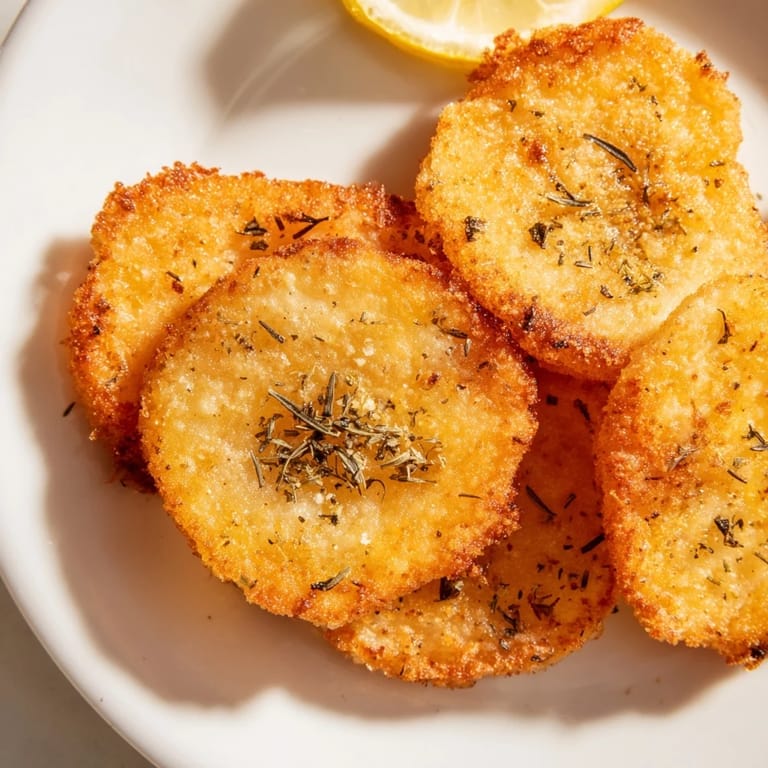
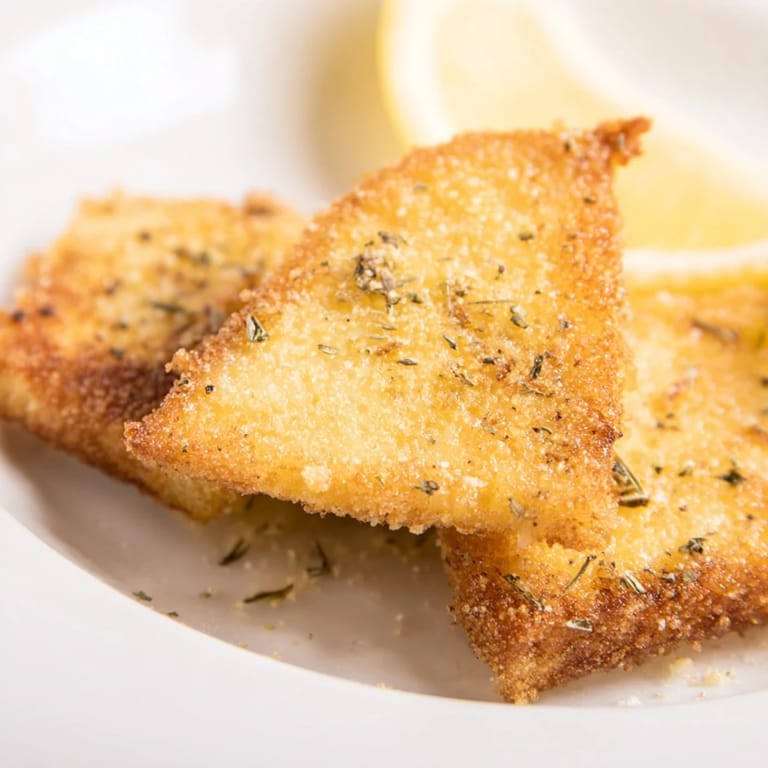
Save I was twenty-three and standing in a taverna in Athens on a humid August evening when the waiter slid a small white plate in front of me. On it sat four golden rectangles of cheese, still crackling slightly, with lemon wedges nestled beside them. I'd never heard the word saganaki before, but one bite—that salty, squeaky resistance giving way to a molten center—and I understood why Greeks had been making this exact dish for centuries. It's the kind of appetizer that doesn't need to apologize for its simplicity.
Years later, I made saganaki for my partner's family at a dinner party, and watching their faces light up when they bit into one reminded me that some of the most impressive dishes are the ones that look deceptively casual. My mother-in-law asked for the recipe before dessert was even served, and I realized it was because saganaki carries that rare quality of feeling both indulgent and honest at the same time.
Ingredients
- Firm Greek cheese (kasseri, kefalotyri, or halloumi), 200 g sliced 1 cm thick: The cheese is the entire story here—it needs to be firm enough to hold its shape but with enough fat content to turn golden and creamy. Kasseri is the traditional choice because it has the perfect melting point, but I've used graviera in a pinch and loved it just as much.
- All-purpose flour, 2 tbsp: This creates the delicate, crispy shell that protects the cheese from the oil and gives you that satisfying crunch when you bite through.
- Olive oil, 2 tbsp: Don't skimp here—use good olive oil because it's basically the only other ingredient besides cheese and lemon.
- Lemon, 1 cut into wedges: The acid cuts through the richness and wakes up every single layer of flavor.
- Dried oregano, 1/2 tsp: A whisper of oregano is all you need, just enough to remind you this is Greek.
- Freshly ground black pepper, to taste: Add it after frying so it doesn't burn and lose its bite.
Tired of Takeout? 🥡
Get 10 meals you can make faster than delivery arrives. Seriously.
One email. No spam. Unsubscribe anytime.
Instructions
- Dry your cheese completely:
- Pat each slice with paper towels until there's no moisture on the surface. Wet cheese will splatter and won't crust properly—this step is quieter than it sounds but absolutely matters.
- Coat lightly in flour:
- Dredge each slice and shake off the excess until there's just a thin, barely-there layer clinging to the cheese. Too much flour makes it pasty; too little and you lose that golden shell.
- Heat the oil until it shimmers:
- Use medium-high heat and give the oil a minute to fully heat. You'll know it's ready when a tiny piece of flour sizzles immediately when it hits the pan.
- Fry until the edges turn amber:
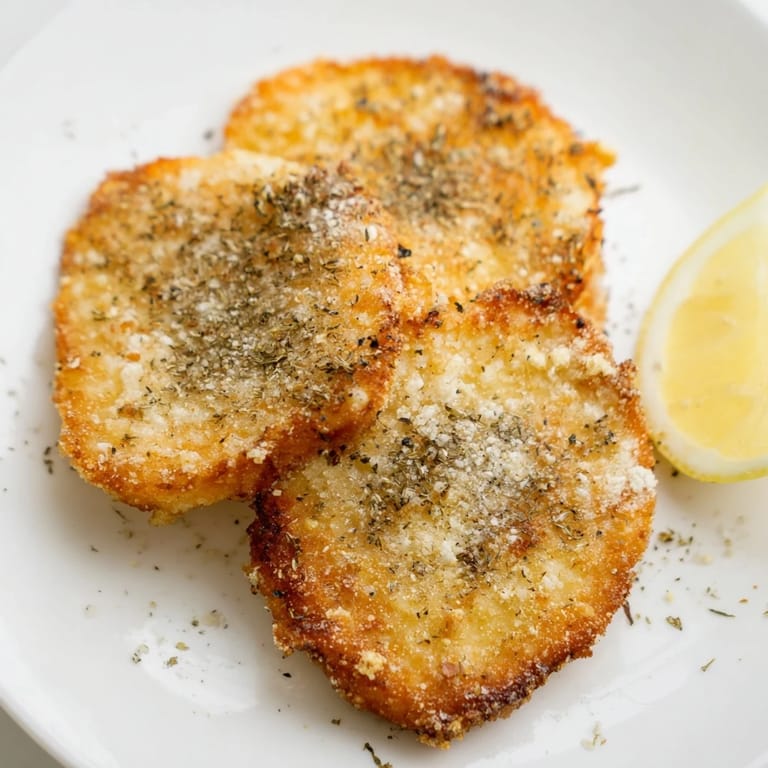
- One to two minutes per side, and watch it closely because it happens fast. You want it deeply golden and crackling at the edges, not brown.
- Drain briefly on paper towels:
- This catches the excess oil without cooling the cheese down too much, keeping it creamy inside.
- Finish and serve hot:
- Sprinkle oregano and pepper over the cheese while it's still steaming, then squeeze lemon juice directly over each piece or hand the wedges separately so people can adjust the tartness themselves.
 Save
Save I remember my neighbor tasting these for the first time and saying they were "dangerously easy," then proceeding to eat three more. That's when I realized saganaki isn't just food—it's a conversation starter, a moment of connection, the edible equivalent of hospitality in its purest form.
Which Cheese to Choose
Kasseri and kefalotyri are the traditional choices and honestly the safest bet if you can find them. Halloumi is the high-heat all-star that practically fries itself and is easier to track down in regular supermarkets. Graviera is silkier and more delicate, which some people prefer. If you're stuck, use any firm white cheese that won't immediately turn into a puddle, and you'll still end up with something delicious.
Making It Gluten-Free and Beyond
The flour is purely structural, so swapping it for gluten-free flour changes absolutely nothing about how this tastes or cooks—it browns the same way, crisps the same way, everything stays the same. If you're avoiding flour entirely for some reason, you can skip it and go straight to the hot oil, though you'll lose that delicate, textured crust.
Serving and Pairing Ideas
Saganaki is meant to be eaten immediately while the inside is still soft and the outside is still snapping under your teeth. Serve it on a warm plate with crusty bread to soak up any escaped cheese, or nestle it into a mezze platter alongside olives, spreads, and other small plates. If you're pouring wine, a crisp white like Assyrtiko cuts right through the richness, or even a light rosé works beautifully.
- For a more substantial meal, toss warm saganaki into a salad with tomatoes and cucumber.
- You can make these an hour ahead and reheat them briefly in a hot pan, though fresh is always better.
- If the cheese leaks out during cooking, you've learned where your heat is too high—dial it back slightly on the next batch.
 Save
Save This is the kind of recipe you'll make dozens of times once you understand it, each time feeling like you're sharing a small piece of Greece with whoever's lucky enough to be eating. Ten minutes from start to table, and somehow it always feels like you've given something real.
Kitchen Help
- → What type of cheese works best for saganaki?
Firm Greek cheeses like kasseri, kefalotyri, halloumi, or graviera are ideal due to their texture and melting properties.
- → How do you get the cheese crispy without it melting too much?
Coating the cheese slices lightly with flour and frying them quickly over medium-high heat helps achieve a golden crust while keeping the cheese intact.
- → Can this be made gluten-free?
Yes, by using gluten-free flour for coating the cheese, the dish remains gluten-free without compromising crispiness.
- → What seasonings enhance saganaki’s flavor?
Dried oregano and freshly ground black pepper complement the cheese’s richness, while a squeeze of fresh lemon adds brightness.
- → What are good serving suggestions for saganaki?
Serve hot with lemon wedges alongside crusty bread or as part of a mezze platter. It pairs well with crisp white wines like Assyrtiko.